• 10% off orders above ₹2,999 with code betterhood10
  • 🚀 Express Pan-India Delivery in 2–4 Days
  • Physio-Trusted Pain Care
  • 🎁 Guaranteed FREE GIFT at Checkout
  • Certified By The Indian Association Of Physiotherapist
  • 🛍️ Buy 3 Get 1 FREE - Sitewide

Series

Expert Section

Expert-led betterhood articles and videos on expert section: causes, exercises, posture, relief and recovery.

43 articles

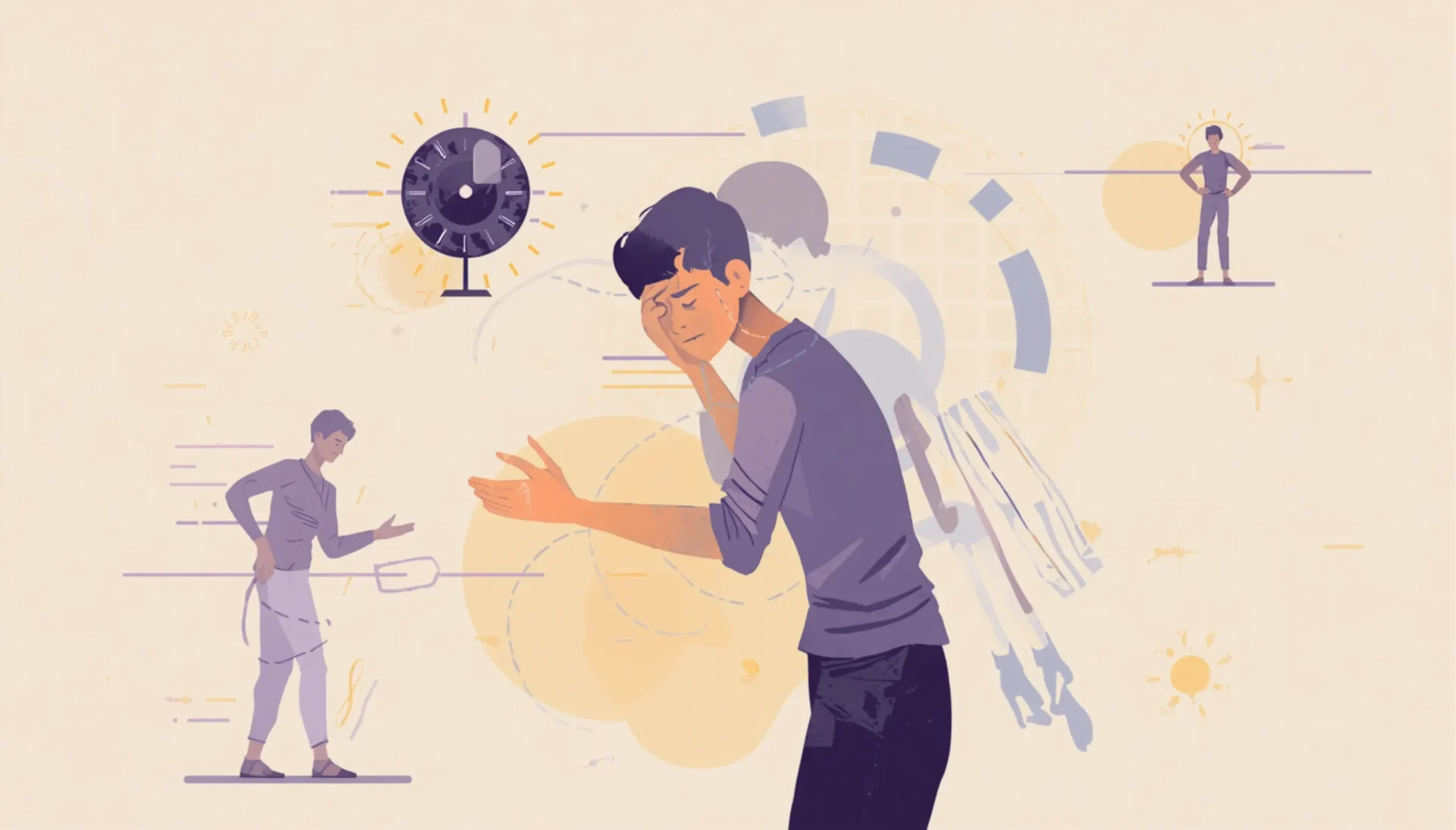
Illustration showing the difference between restorative rest and avoidance affecting recovery and movement.
Posture & Support 2 May 2026

When Rest Becomes Avoidance

Rest is often seen as the solution to discomfort. When the body feels tired, sore, or overwhelmed, the natural response is to pause, reduce effort, and step away from demand. In many situations, this is necessary. The body needs time and space to repair and restore. However, not all rest leads to recovery. Sometimes, what…

3 min read
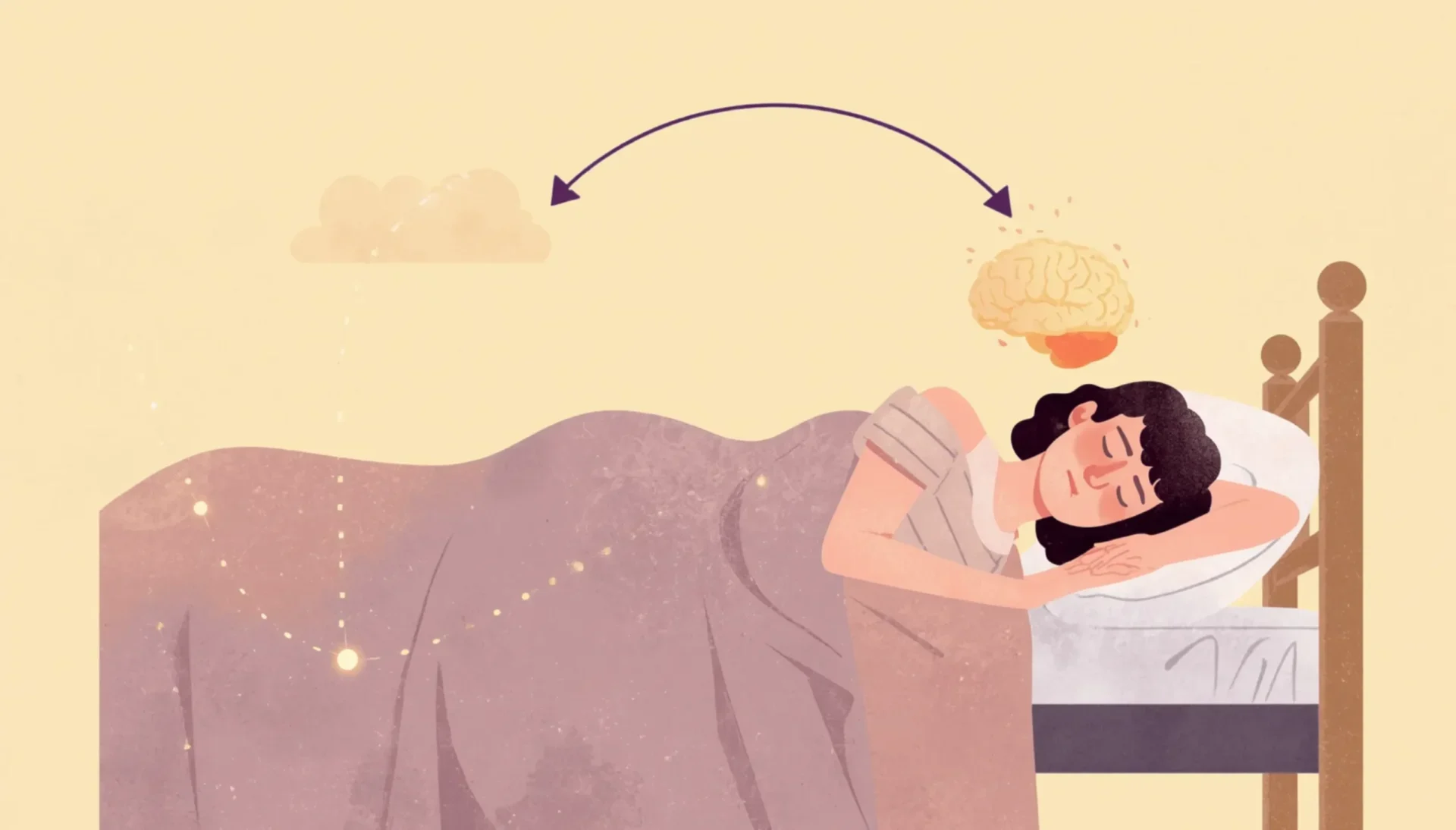
Illustration showing a person experiencing poor sleep and increased pain in a continuous sleep pain loop.
Posture & Support 30 Apr 2026

The Sleep – Pain Loop

Sleep and pain are often treated as separate issues. If you are in pain, the focus is usually on the body: muscles, joints, inflammation, posture, or injury. If you are struggling to sleep, the focus shifts to stress, routine, or environment. But the body does not separate these experiences. Sleep and pain are deeply connected.…

4 min read
body feels older than age
Posture & Support 2 Apr 2026

Why Your Body Feels Older Than Your Age

Many people experience a disconnect between their actual age and how their body feels. You may be in your 20s or 30s but wake up with stiffness, fatigue, or low energy that feels disproportionate to your age. Movements feel slower, recovery takes longer, and everyday tasks require more effort than expected. This is often described…

4 min read
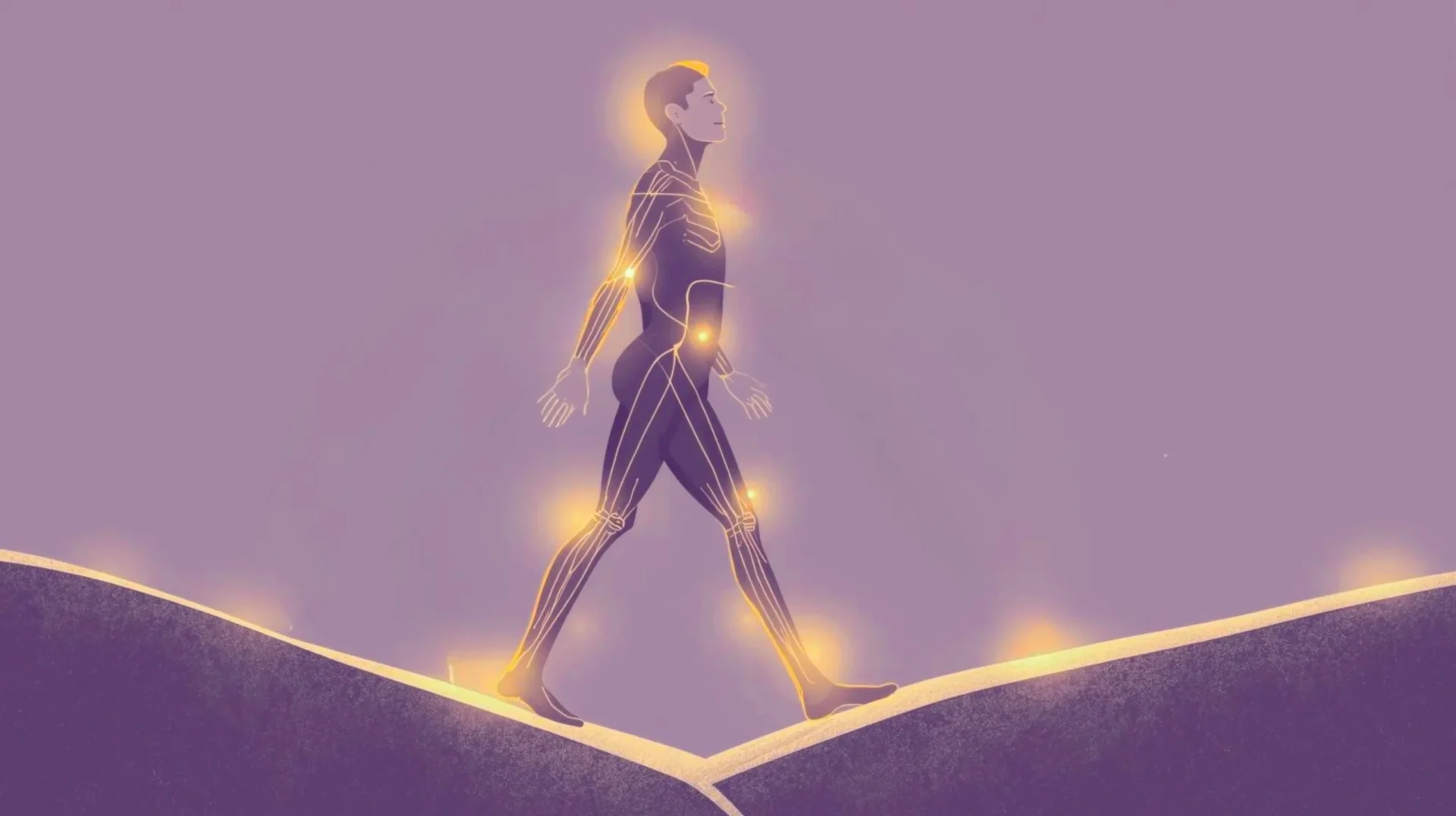
Illustration showing proprioception and injury prevention through body awareness and balance on uneven ground.
Relief & Recovery 25 Mar 2026

The Forgotten Sense: Why Proprioception Protects You More Than Muscles

For years, physical health has largely been defined by strength, how much you can lift, how fast you can run, and how long you can endure. Strength is visible, measurable, and often associated with control and performance. However, physical resilience is not determined by strength alone. Beneath it lies a less visible but equally critical…

4 min read
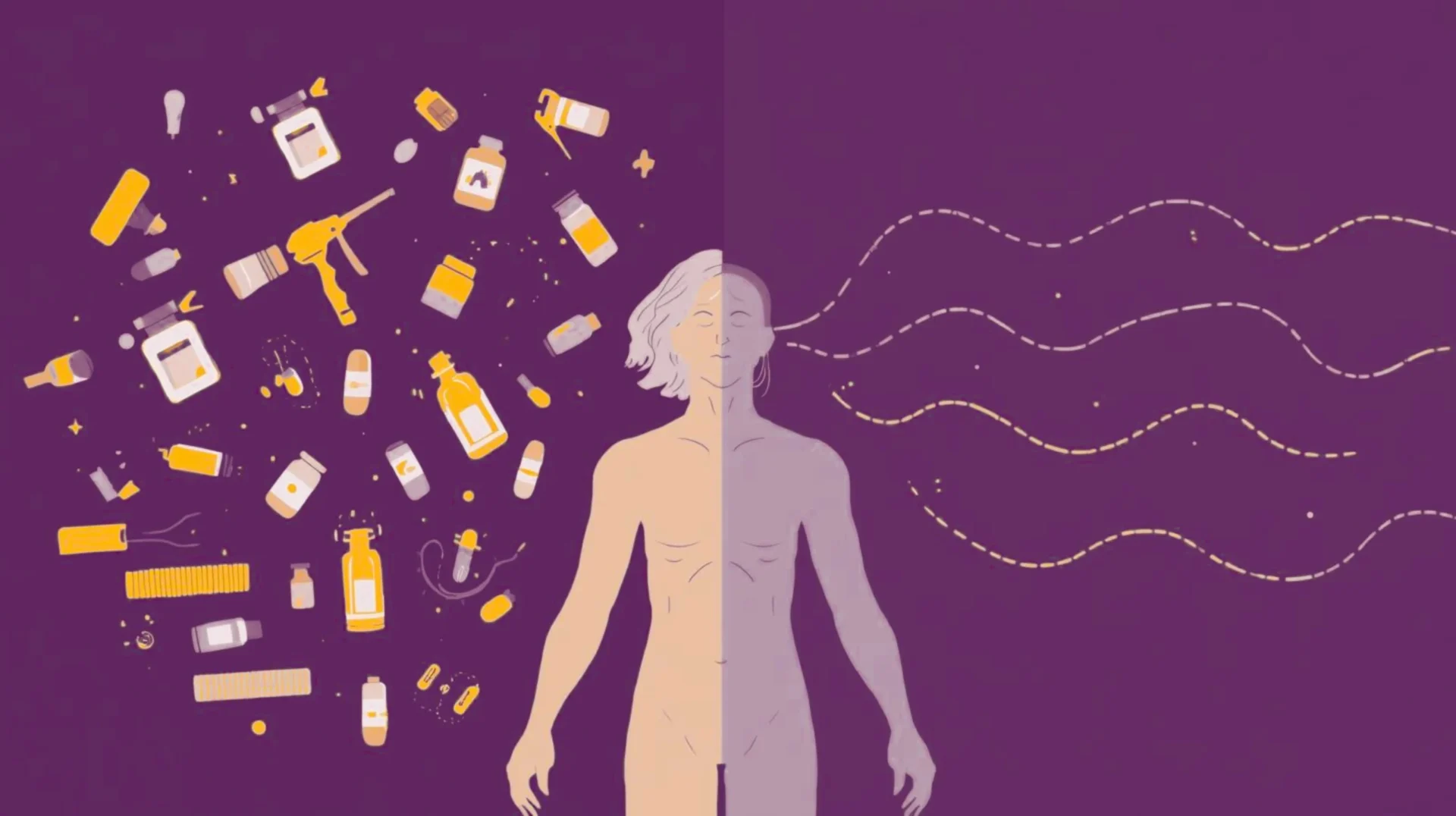
Conceptual illustration showing recovery as a skill driven by the nervous system rather than external tools.
Posture & Support 19 Mar 2026

Recovery Is a Skill, Not a Tool

Recovery is often treated as something you use. A massage gun. A supplement. A stretch routine. A weekend off. The assumption is simple: apply the right tool, and the body will recover. But recovery does not work that way. Recovery is not something you add occasionally. It is something you practice consistently.And like any practice,…

4 min read
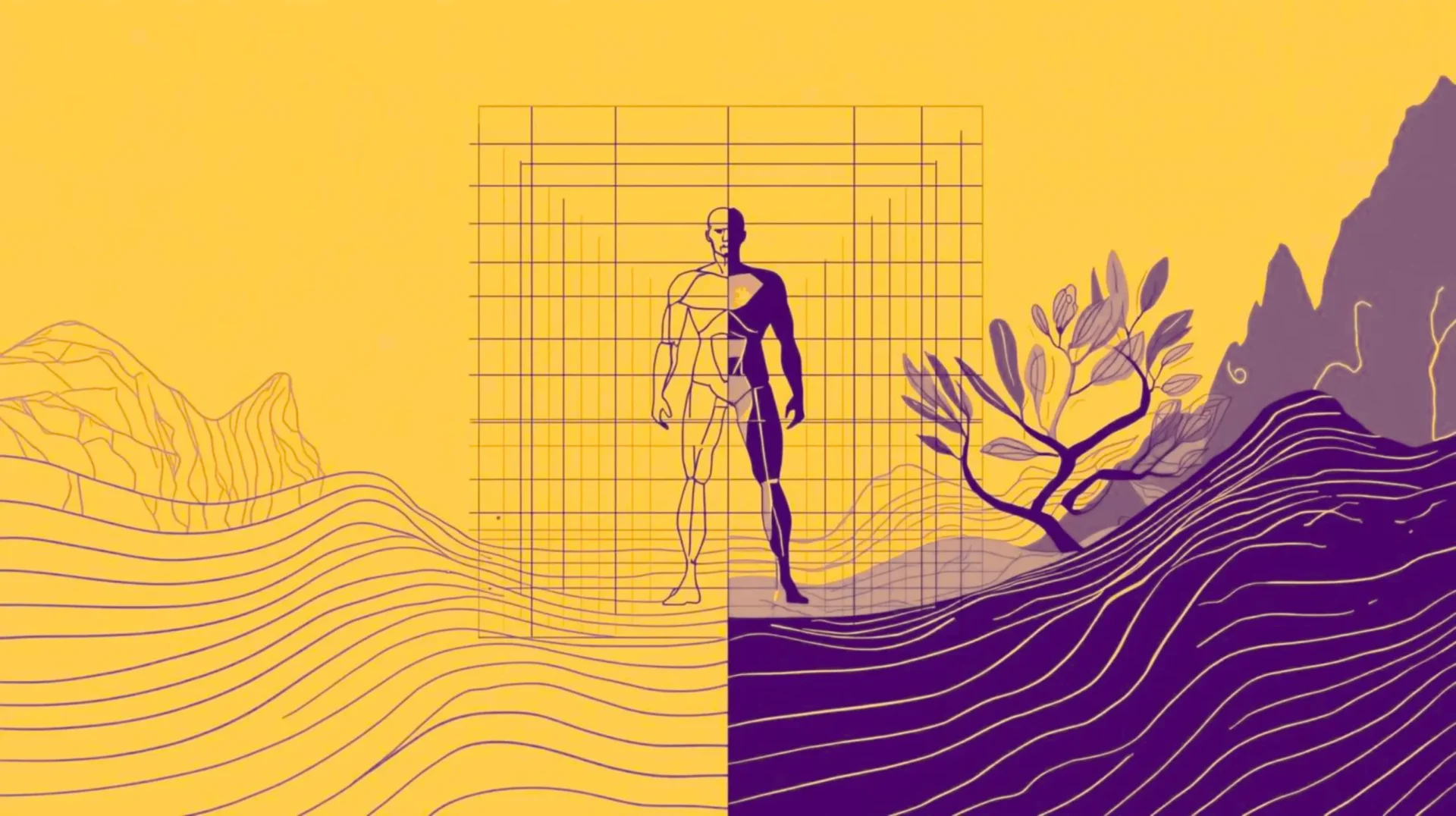
Modern human body illustration showing strength but limited adaptability due to repetitive movement patterns.
Posture & Support 16 Mar 2026

The Modern Body Is Strong – But Not Adaptable

Modern health culture celebrates strength. We track workouts, measure progress, and celebrate the ability to lift heavier, run faster, and push physical limits. Strength is often treated as the ultimate sign of fitness and capability. But strength alone does not guarantee resilience. In many cases, the modern body has become stronger in controlled environments while…

4 min read
Conceptual illustration showing movement as body language and how posture and motion reflect nervous system signals.
Posture & Support 9 Mar 2026

Movement as Language: What Your Body Is Trying to Say

Movement is often treated as a purely mechanical function. Muscles contract, joints rotate, and the body performs tasks. From this perspective, movement is simply the physical expression of strength, flexibility, and coordination. But the body does not move only to accomplish tasks. It also moves to communicate. Posture, tension, pacing, and gestures continuously reflect how…

5 min read
Conceptual illustration showing that pain does not always mean structural damage in the spine or joints.
Posture & Support 7 Mar 2026

The Myth of Structural Damage

Why pain is not always caused by something “broken” When people experience persistent pain, the first question is often structural: What is damaged? We tend to assume that pain must mean something in the body is broken, torn, or deteriorating. Medical scans, diagnoses, and treatment plans frequently focus on identifying structural problems in muscles, joints,…

4 min read
Close-up illustration of repetitive strain causing micro-trauma in muscle fibers, showing tiny tears and inflammation buildup over time.
Science 26 Feb 2026

Micro-Trauma: The Invisible Injuries of Repetition

Injury is often imagined as a single moment. A fall. A twist. A sudden overload that produces immediate pain and clear damage. These events are visible and easy to understand. But many injuries do not begin this way. They develop slowly, through repetition. Through movements performed hundreds or thousands of times without variation and postures…

4 min read
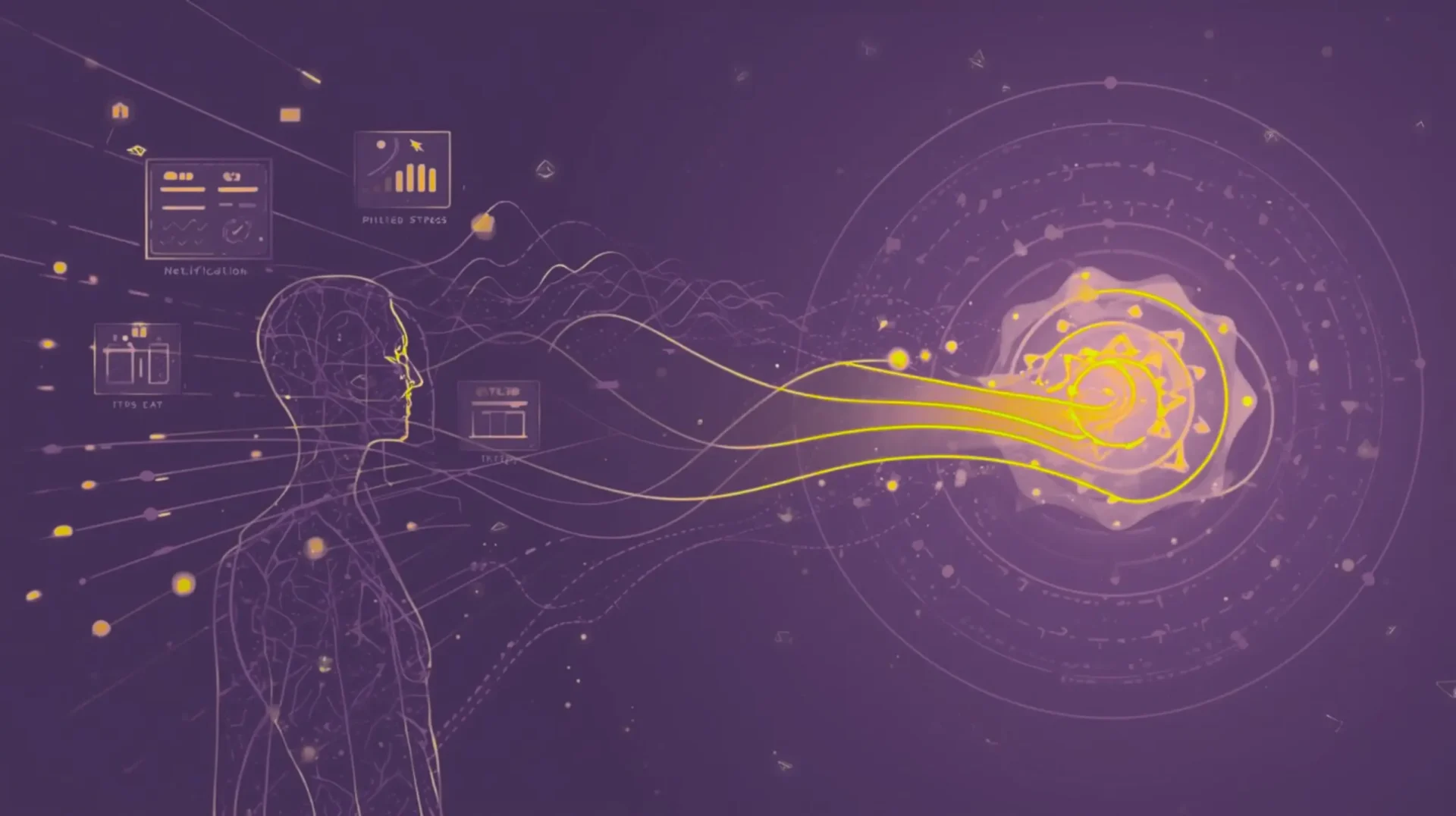
Conceptual illustration showing accumulation of nervous system debt from daily stress and overstimulation
Posture & Support 19 Feb 2026

The Nervous System Debt We Accumulate Daily

Debt is usually associated with money. It accumulates gradually, often unnoticed at first, and eventually demands repayment with interest. The nervous system operates in a similar way. Every day, through decisions, environments, expectations, and behaviors, we either regulate and restore our system or we withdraw from it. When withdrawals exceed deposits, a form of physiological…

4 min read
Conceptual illustration showing physical and psychological stress boundaries influencing pain perception and nervous system response
Posture & Support 14 Feb 2026

Pain as a Boundary Problem, Not a Strength Problem

Pain is often interpreted as a failure of strength. It is commonly attributed to weak muscles, poor conditioning, or insufficient resilience, and the solution offered is usually to train harder, push further, and tolerate more. However, pain does not always arise from a lack of capability. In many situations, it emerges when the body has…

4 min read
Conceptual illustration showing The Cost of Efficiency How Comfort Is Quietly Weakening Us
Posture & Support 12 Feb 2026

The Cost of Efficiency: How Comfort Is Quietly Weakening Us

Efficiency has become the modern ideal. We optimize for speed, remove friction and design environments that demand less effort from the body – softer chairs, supportive shoes, automated transport, and screens that bring the world to our fingertips. On the surface, this looks like progress. Less strain. Less fatigue. More convenience. But beneath that convenience…

3 min read
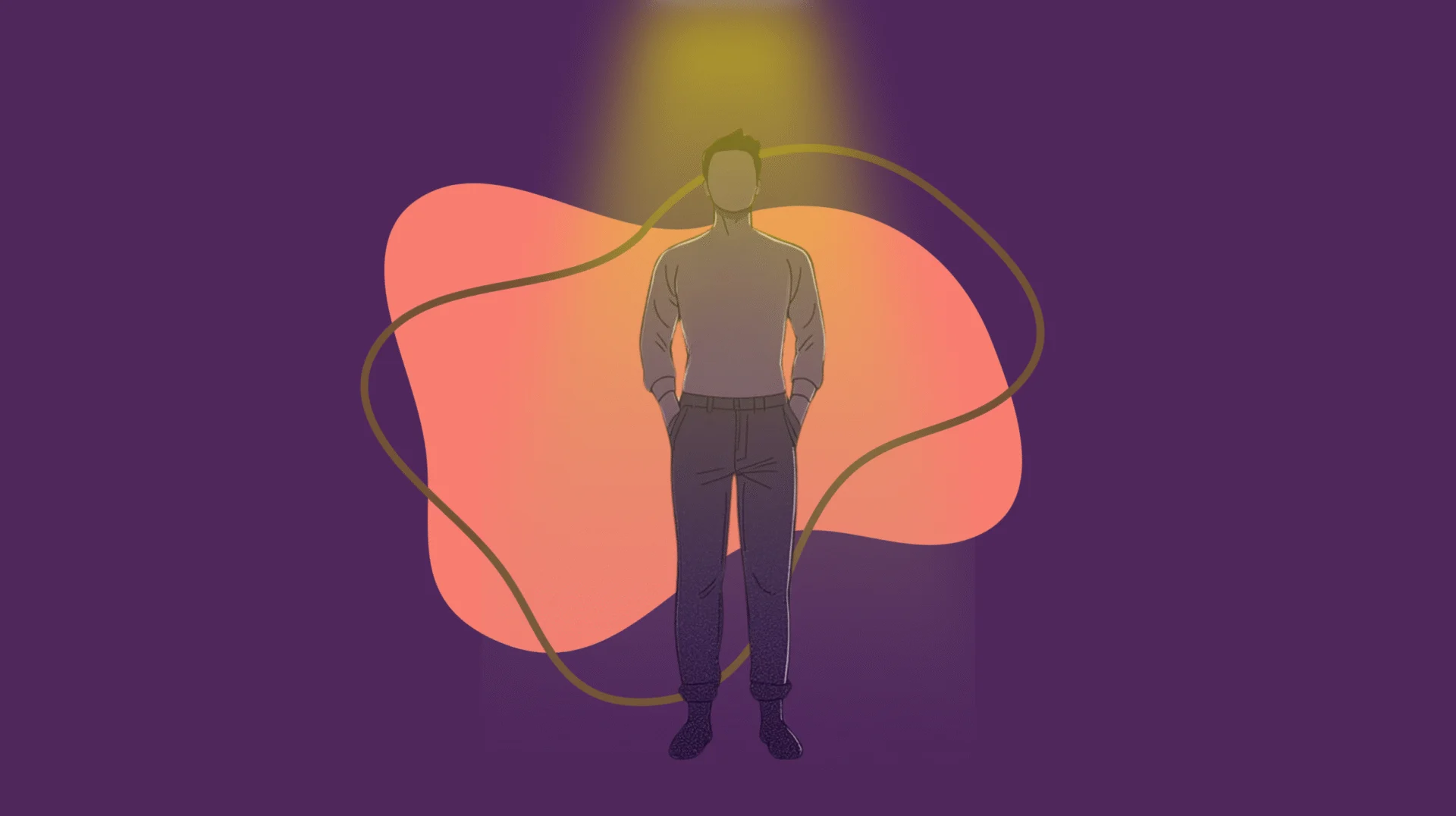
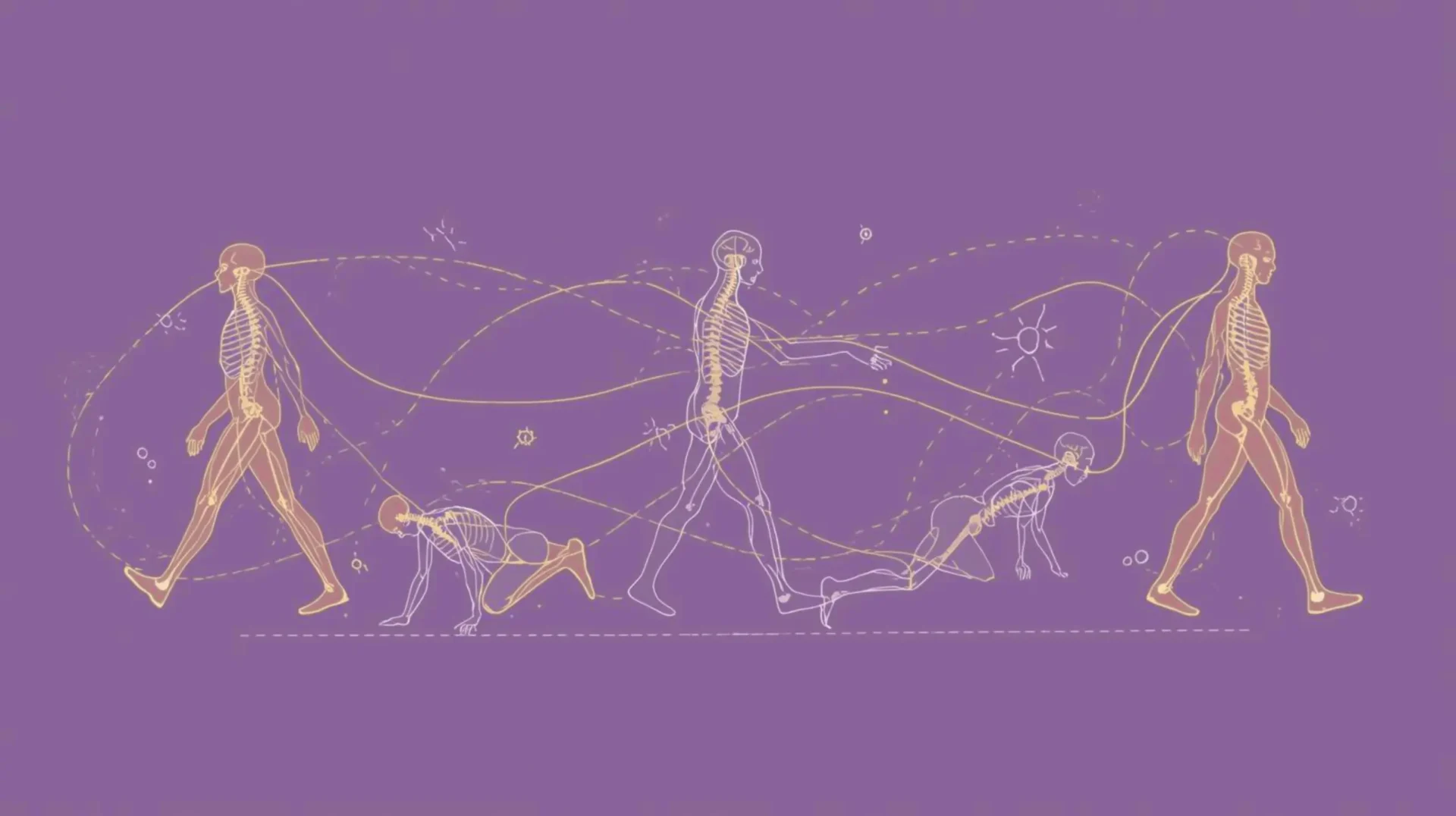
Body in restricted posture with limited range of motion illustrating how reduced movement affects nervous system safety and body awareness
Posture & Support 5 Feb 2026

When the Body Loses Its Vocabulary for Movement

For most of human history, movement was not exercise. It was language. We squatted to rest. Reached to gather. Rotated to look, climb, throw, carry, and connect. The body spoke constantly through motion to the nervous system about capability, adaptability, and safety. Modern life has quietly reduced that vocabulary. We sit, scroll and repeat narrow…

3 min read
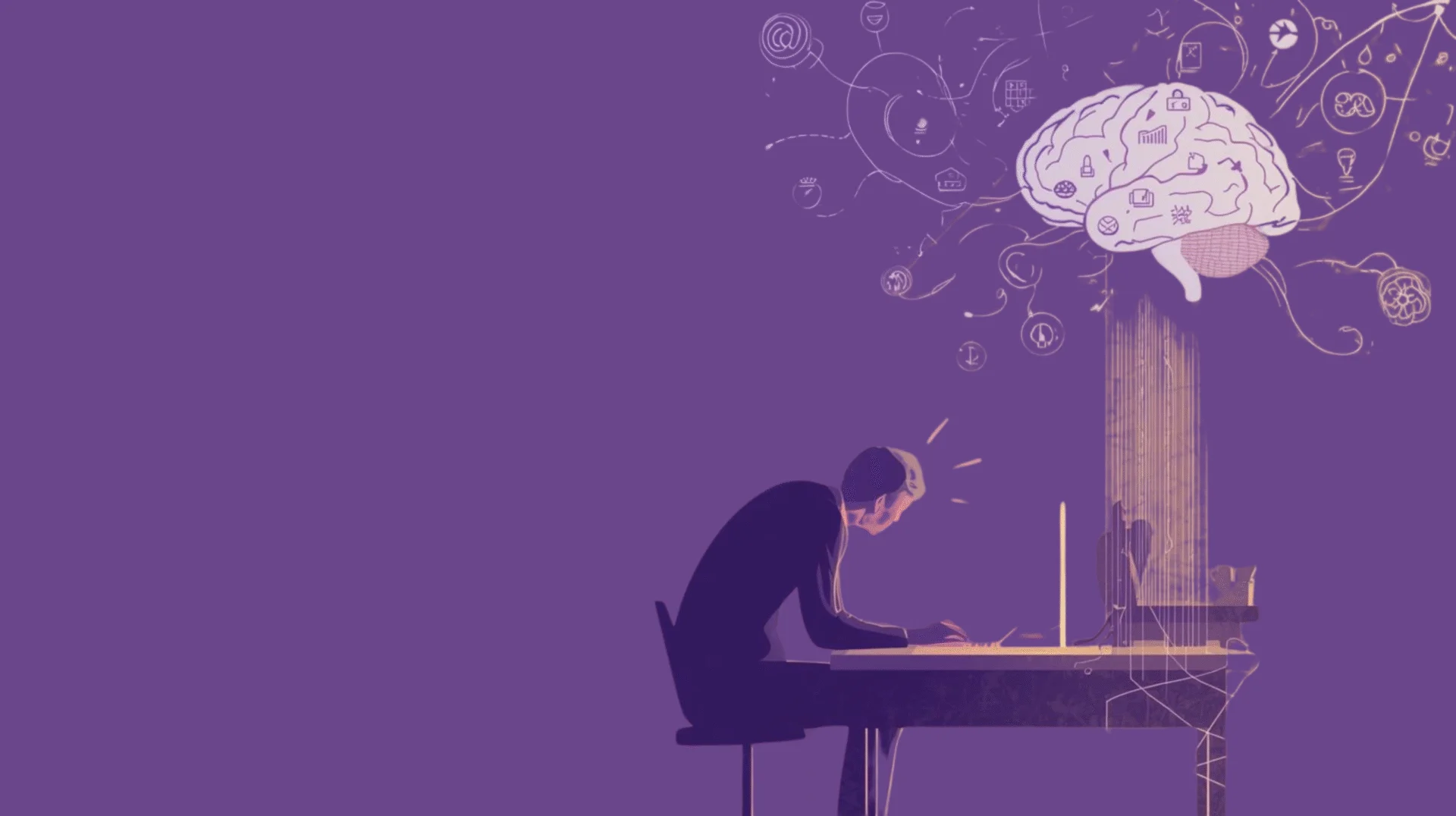
Illustration showing how posture reflects emotional health, with changes in body alignment influencing the nervous system
Posture & Support 29 Jan 2026

Posture as a Window Into Emotional Health: What Your Body Language Reveals

For a long time, emotional health has been treated as a problem of thoughts. Change your mindset. Build confidence. Think more positively. But quietly, beneath all that mental effort, another system has been shaping how you feel long before a single thought forms. Your posture. The way you sit, stand, and move is not just…

4 min read
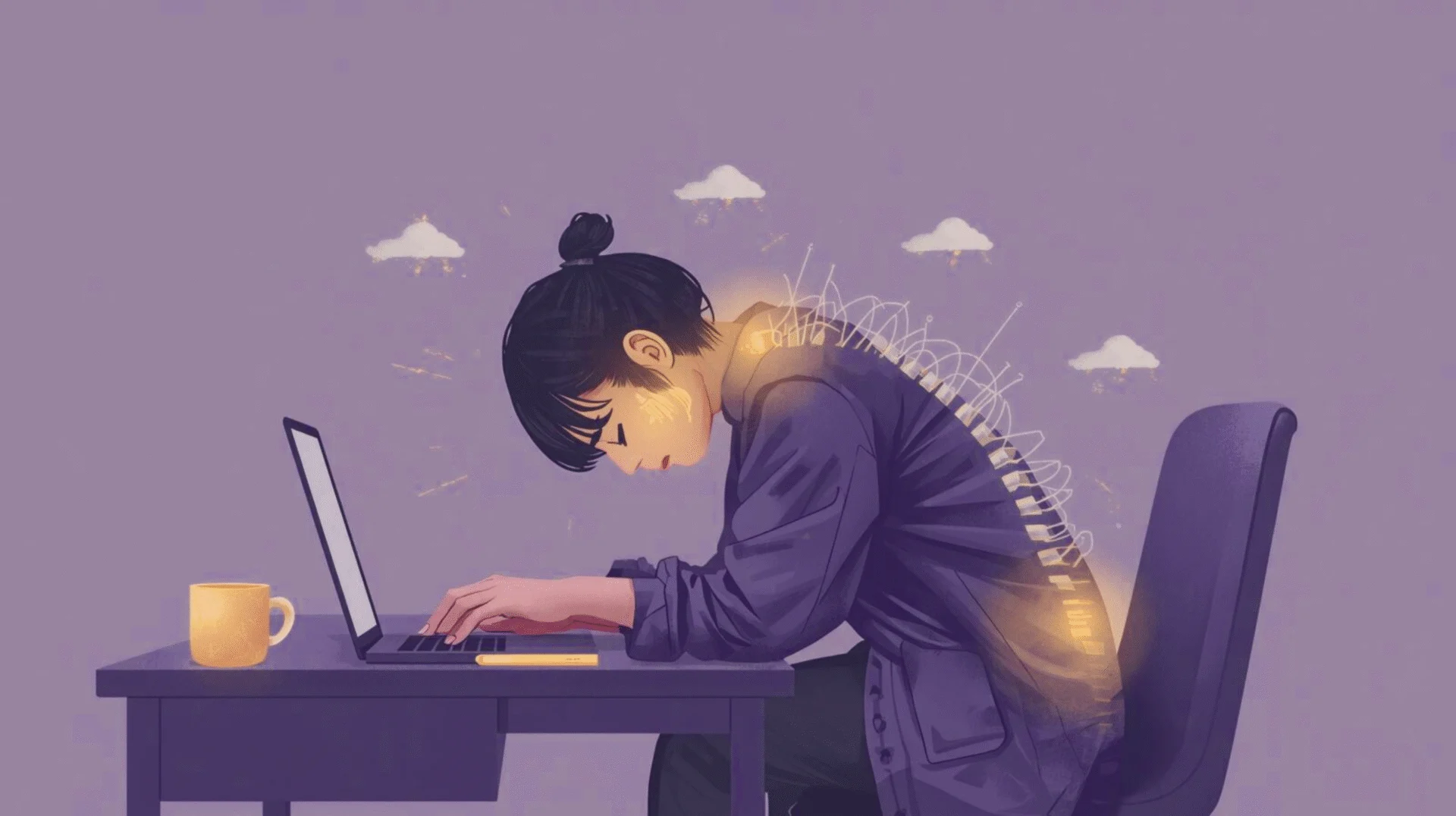
The Recovery Gap Why the Body Heals Slower Than Life Moves
Posture & Support 27 Jan 2026

The Recovery Gap: Why the Body Heals Slower Than Life Moves

Modern life moves fast. Deadlines overlap, notifications never stop, and productivity is praised more than restoration. We move from stress to stress with barely a pause and expect the body to keep up quietly. But biology doesn’t work on calendar time. It works on repair time. The growing mismatch between how fast life moves and…

4 min read
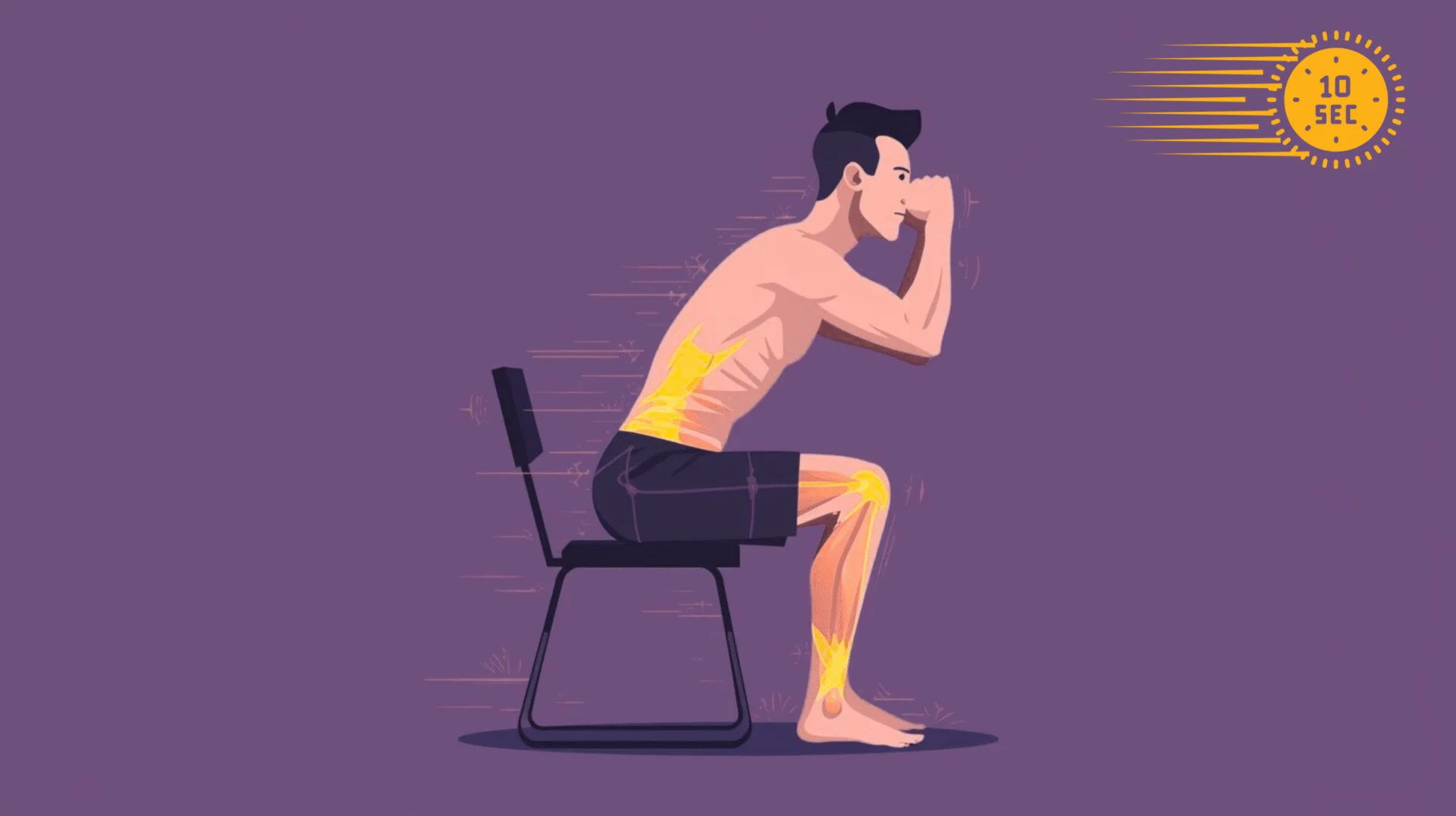
Illustration showing pain as a brain-based prediction, with neural signals creating pain despite healthy body tissue
Posture & Support 22 Jan 2026

Pain Is Not in the Tissue – It’s in the Prediction

Modern medicine has taught us to look for pain in damaged parts. A torn muscle. A bulging disc. An inflamed joint. We point to scans, name the tissue, and assume the pain lives there. But pain doesn’t actually work that way. Pain is not a direct readout of tissue damage. Pain is a decision. [1]…

4 min read
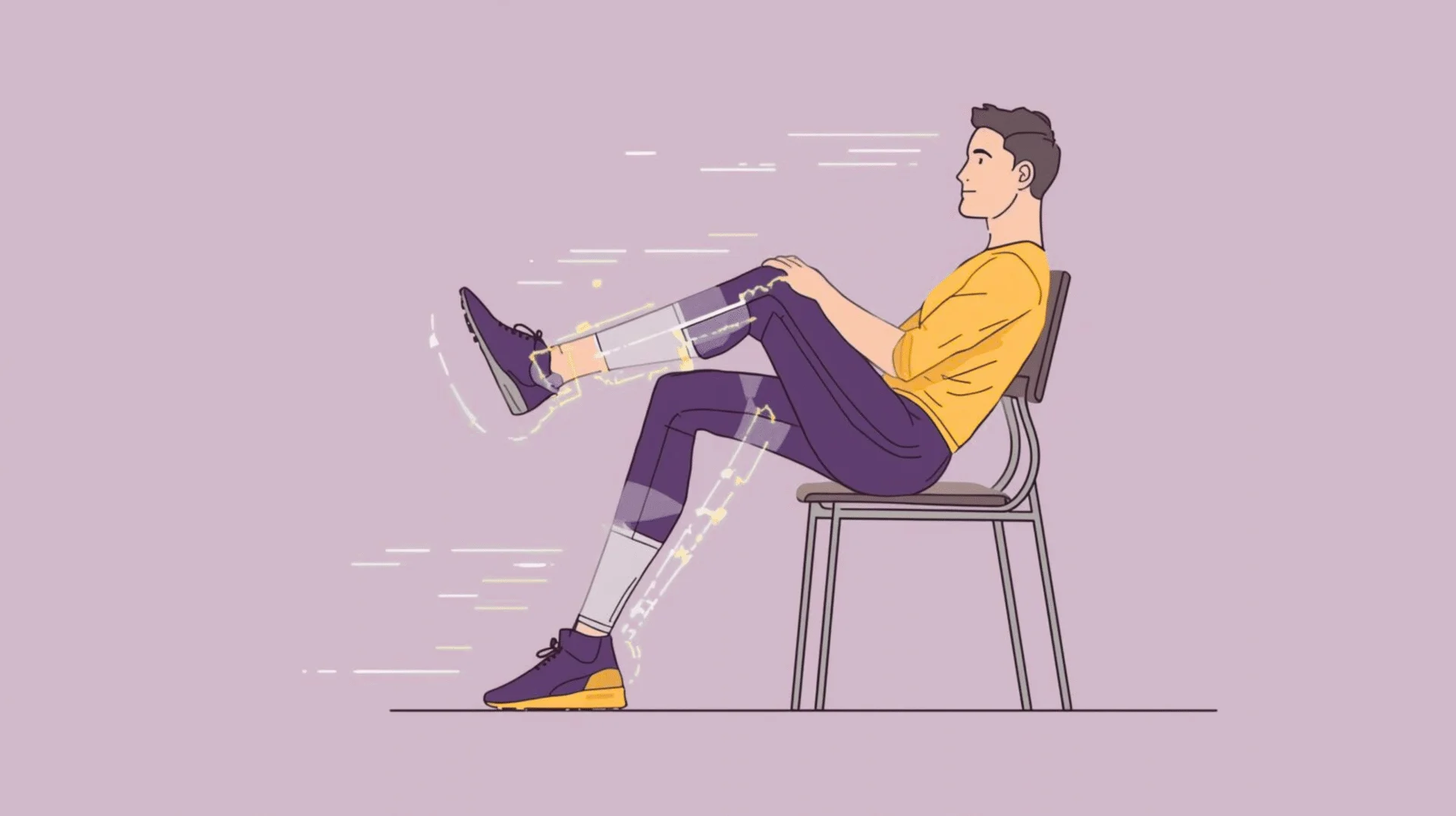
Ancient movement rituals contrasted with modern sedentary life, showing rhythmic motion, breath, and nervous system balance
Posture & Support 19 Jan 2026

Ancient Motion for Modern Madness

Modern life rewards efficiency. We minimize effort, streamline movement, and reduce physical expression to what is strictly necessary. We sit longer, breathe shallower, and move in straight lines from chair to car to screen. Over time, stillness becomes normal, and restlessness, anxiety, and fatigue are treated as personal failures rather than biological signals. But the…

4 min read
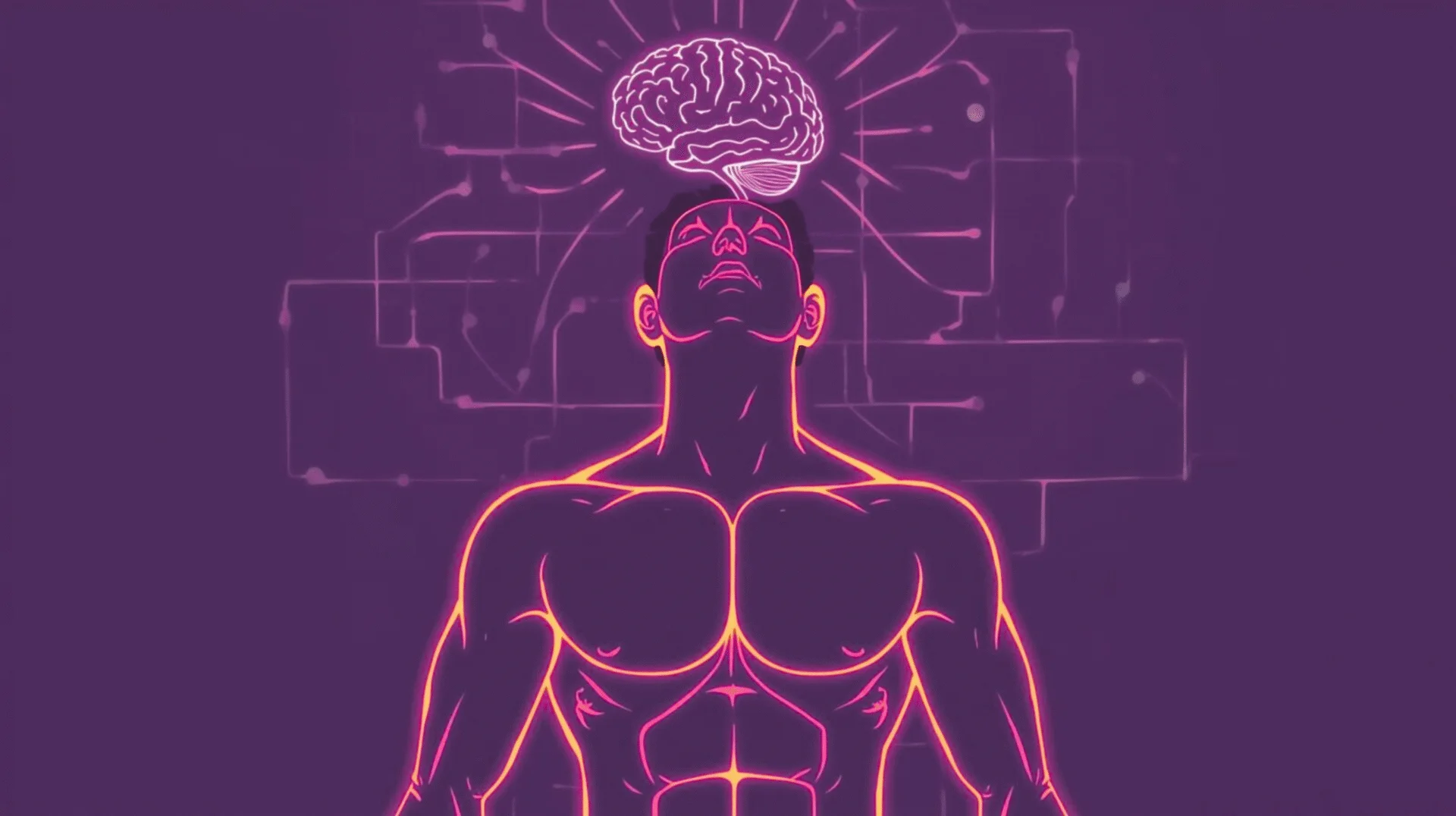
Illustration showing an upright human posture with a strong, flexible spine symbolizing physical and emotional resilience.
Posture & Support 14 Jan 2026

Resilience Has a Backbone

Modern life rewards efficiency. We sit longer, move less, and ask our bodies to adapt quietly to hours of screens, stress, and static posture. Over time, we normalize slumping, stiffness, and low-grade discomfort as part of adulthood. But the body keeps score, especially the spine. Resilience, both physical and emotional, quite literally has a backbone.…

4 min read
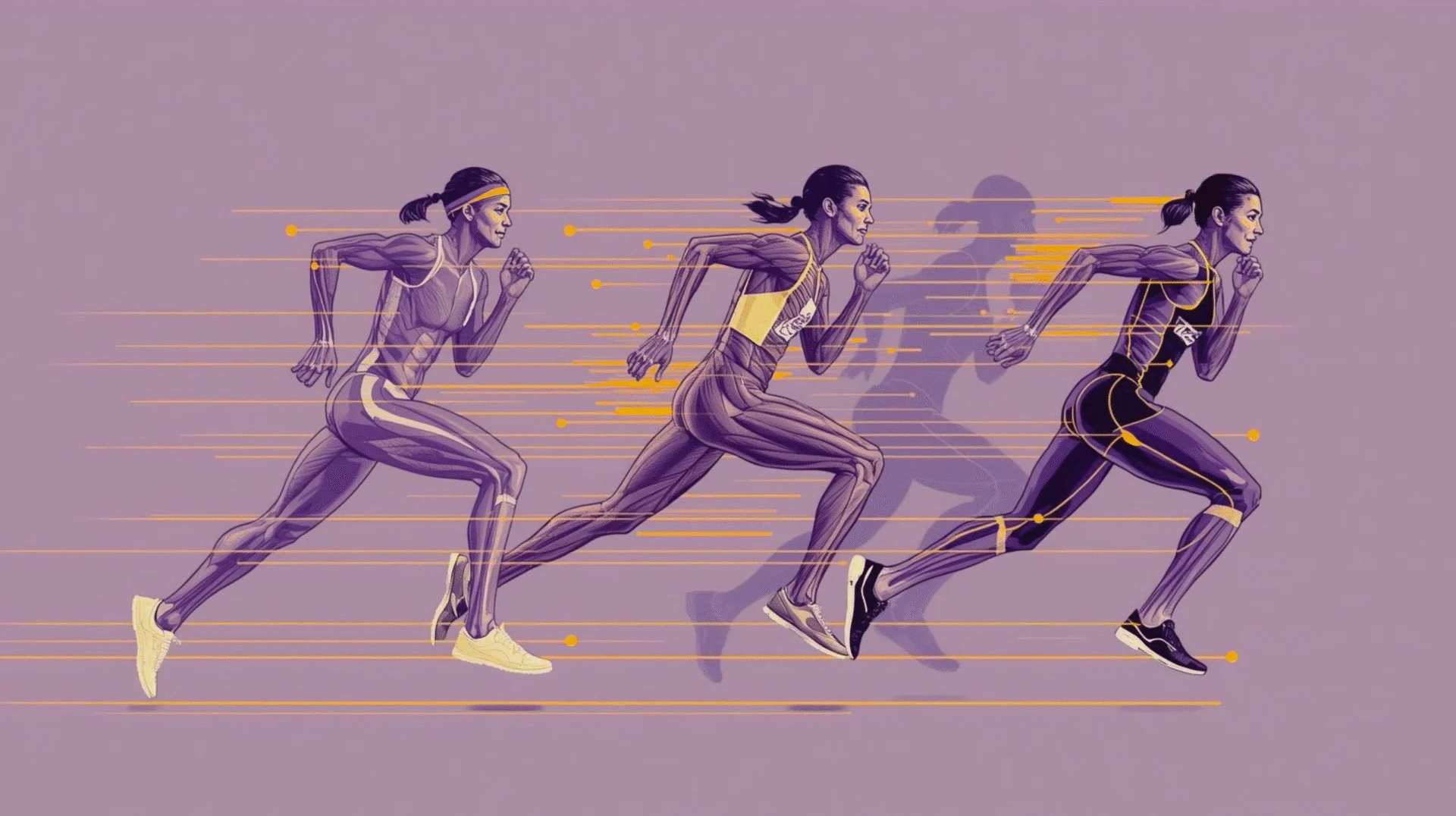
The Movement Buffet
Posture & Support 7 Jan 2026

The Movement Buffet: Why Variety Builds Longevity

Modern life rewards efficiency. We sit in the same postures, walk the same routes, train the same muscles, and repeat the same movements day after day. While routine may feel productive, the human body doesn’t thrive on repetition alone. It thrives on variety. Longevity isn’t just about how long you live, it’s about how well…

4 min read
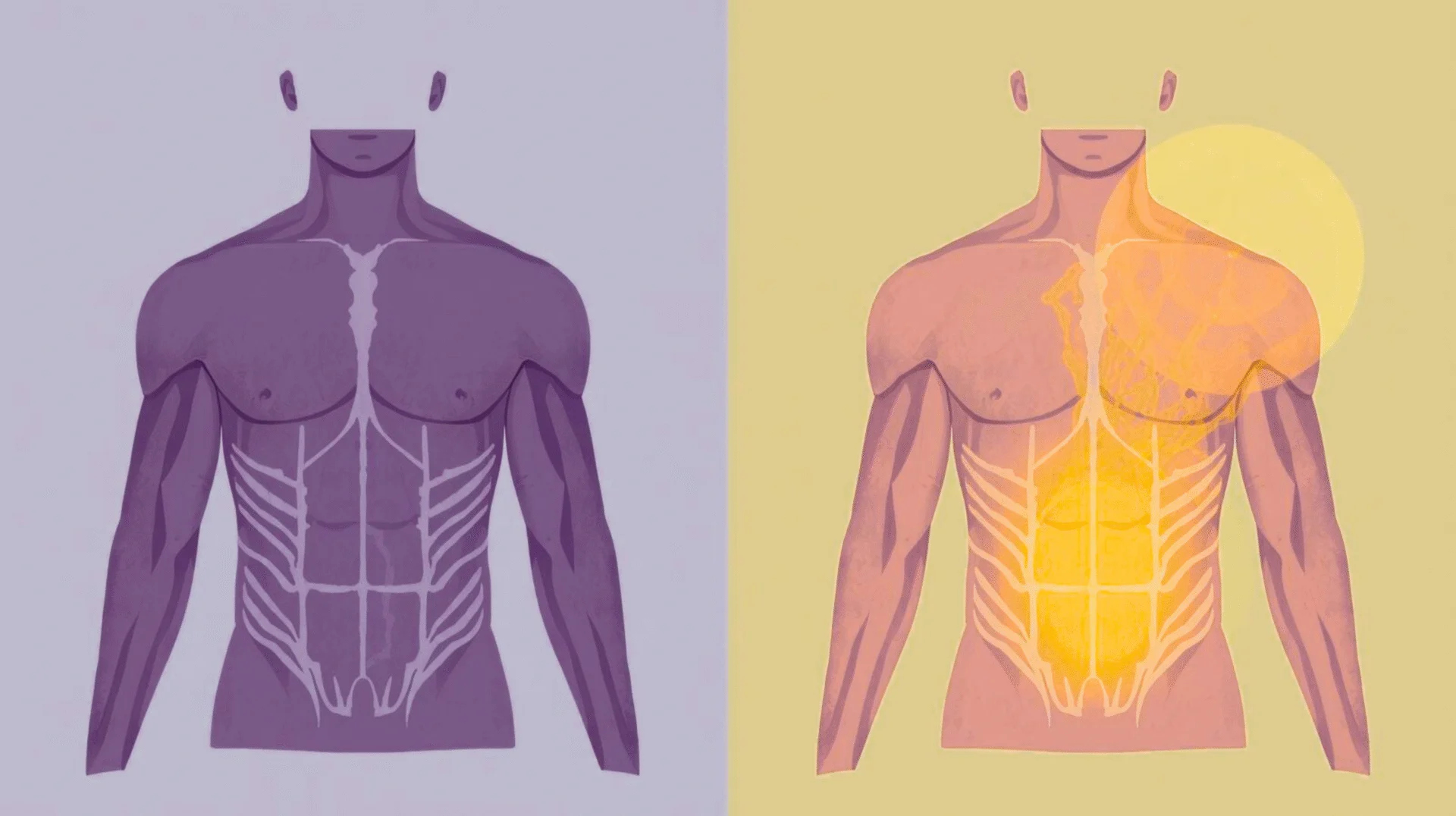
Power of Micro-Movement
Science 3 Jan 2026

Small Moves, Big Shifts: The Hidden Power of Micro-Movement

In 2018, a group of neuroscientists studying workplace stress noticed something curious. During long cognitive tasks, participants who were allowed to move naturally shifting their weight, tapping their feet, rolling their shoulders, maintained focus longer than those instructed to sit completely still.[1] The “still” group followed the rules. They sat upright, hands quiet, bodies controlled.And…

4 min read
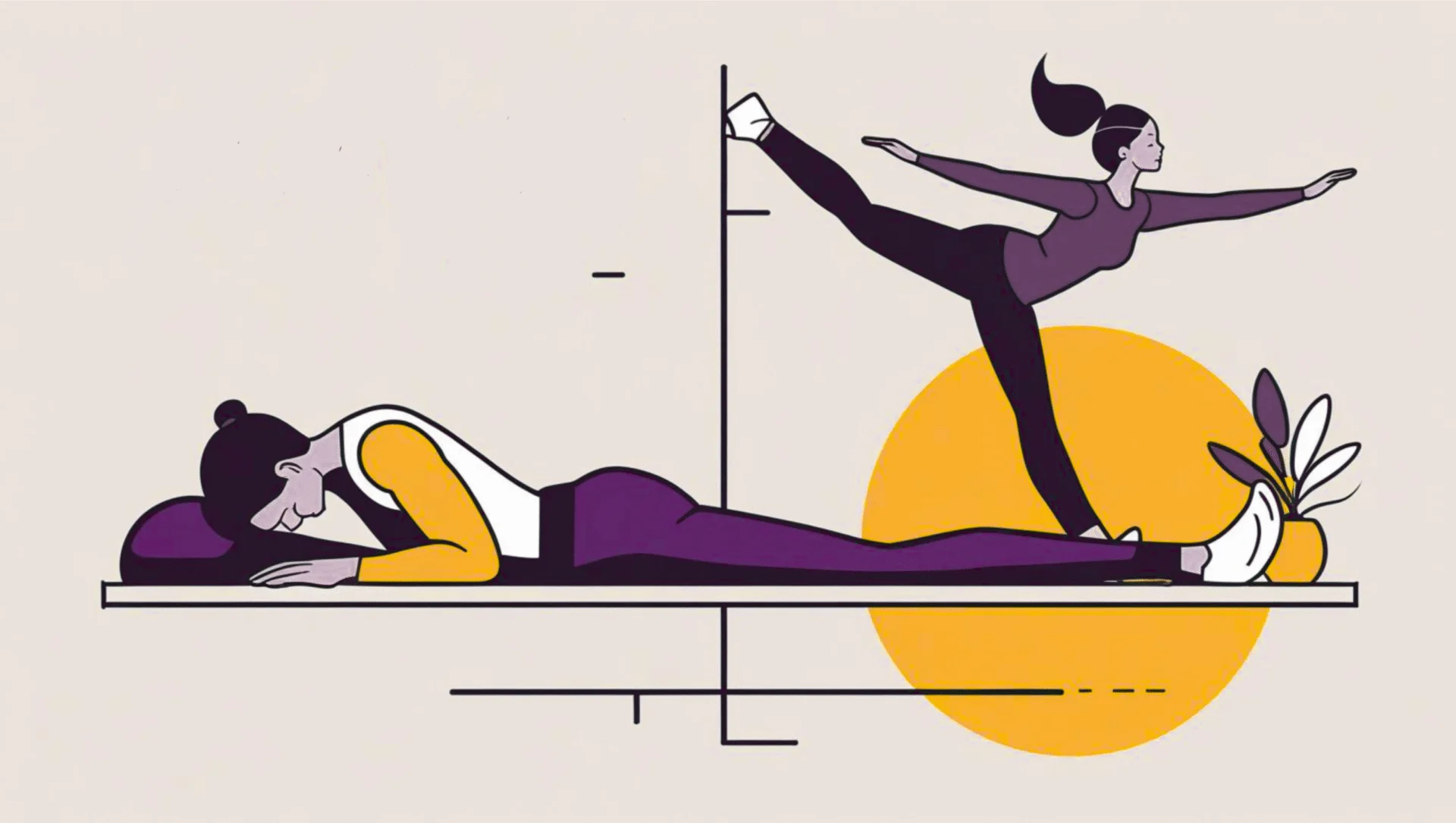
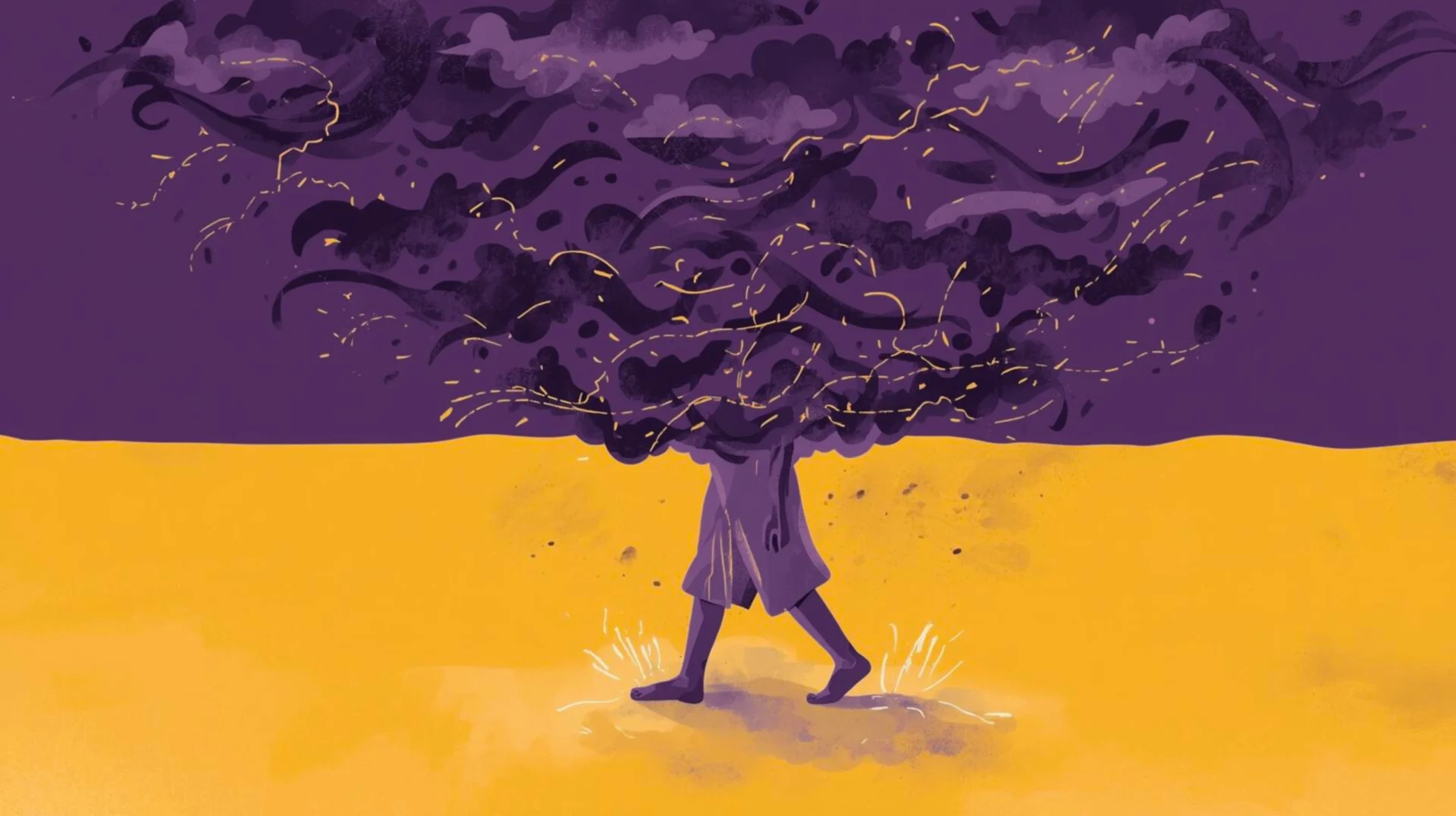
A person walking barefoot on a natural path, focusing on the sensation of their feet touching the ground, symbolizing grounding and mental calm during emotional stress.
Science 31 Dec 2025

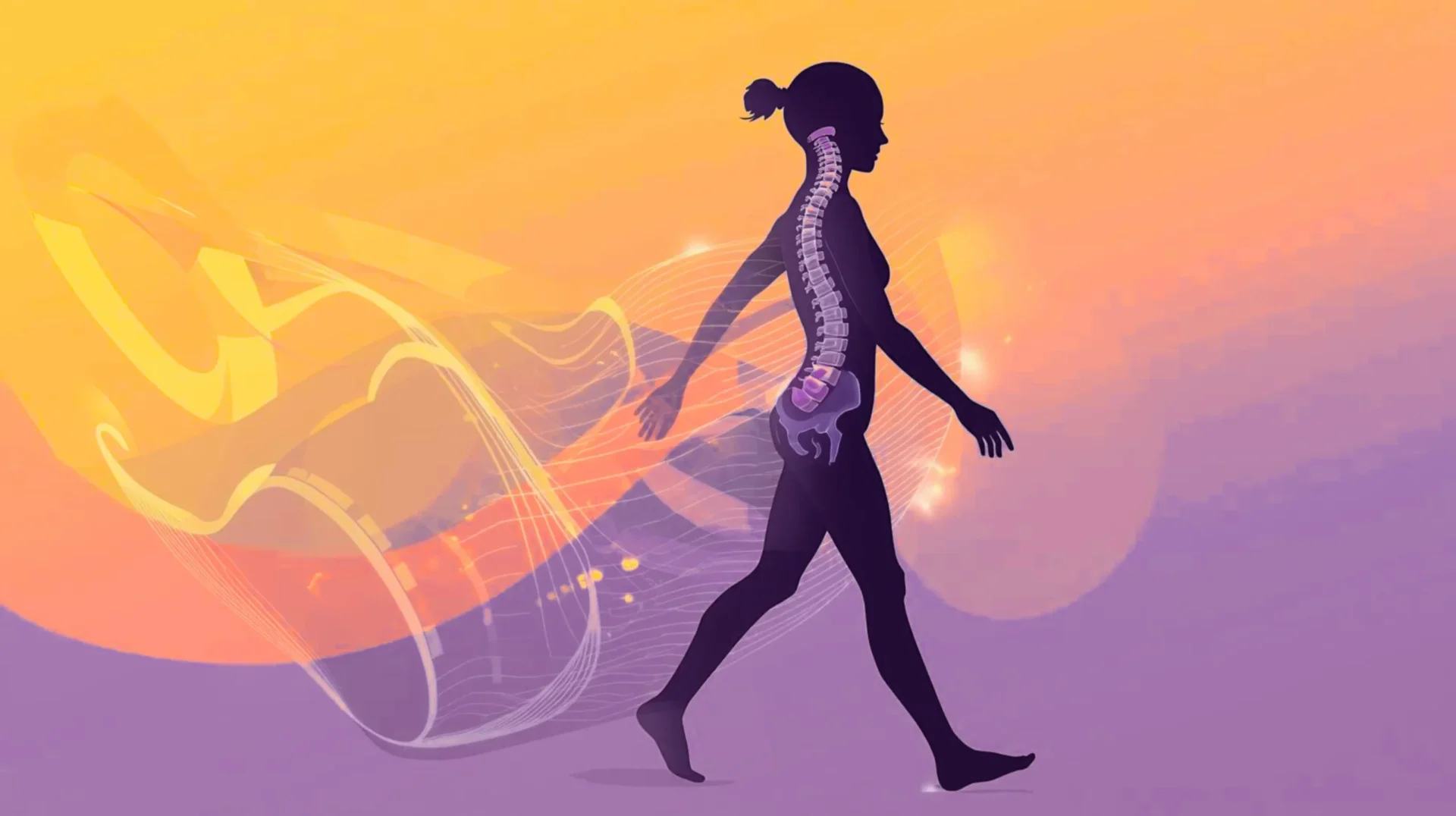
The Anchoring Power of Walking

Feet on the Ground, Mind in the Storm In moments of overwhelm, the mind feels like it’s spinning faster than the body can keep up. Thoughts stack. Breath shortens. The world feels distant and unreal. What’s often missing in these moments isn’t insight or motivation – it’s contact. Walking brings that contact back. Long before…

6 min read
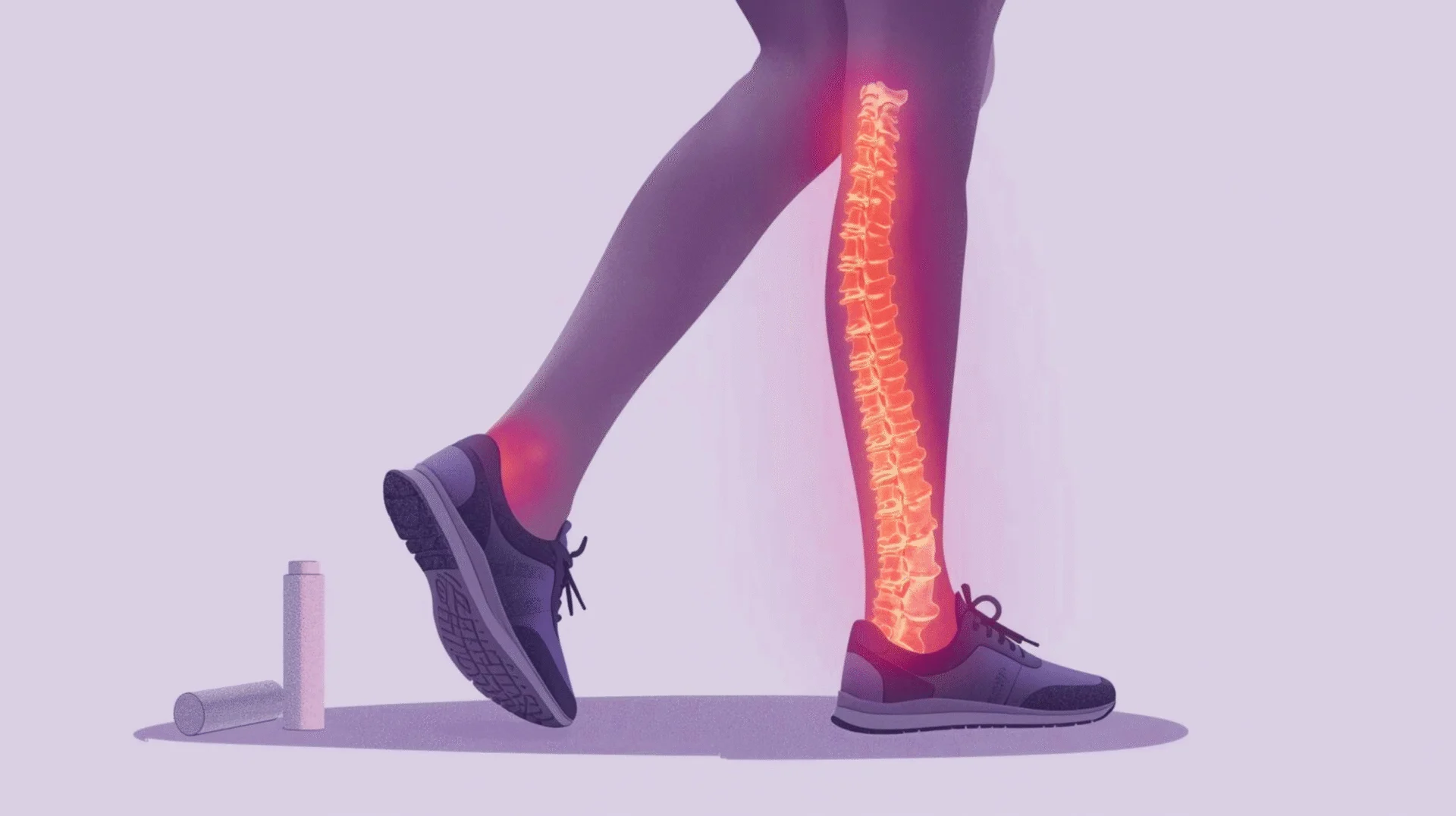
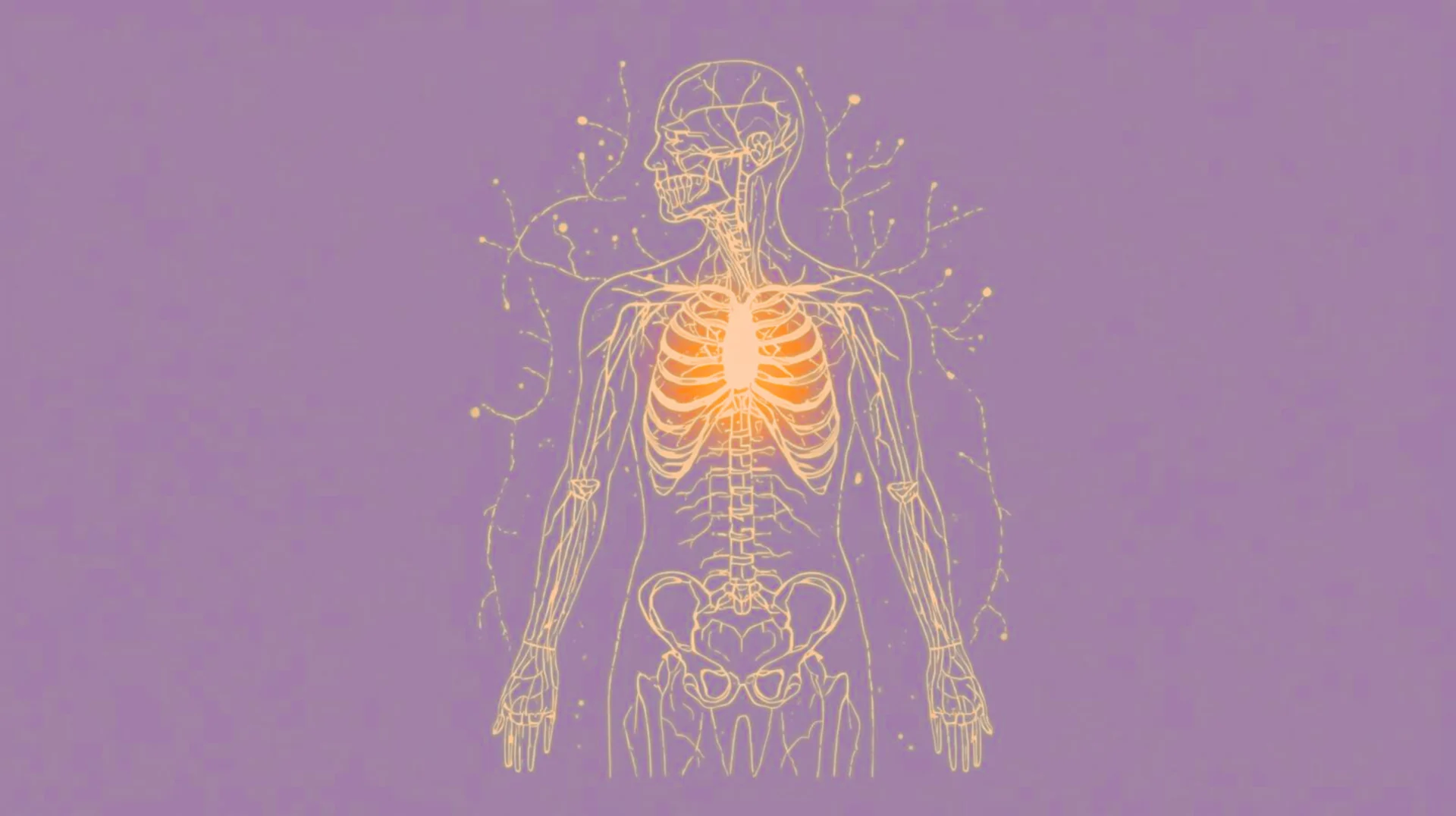
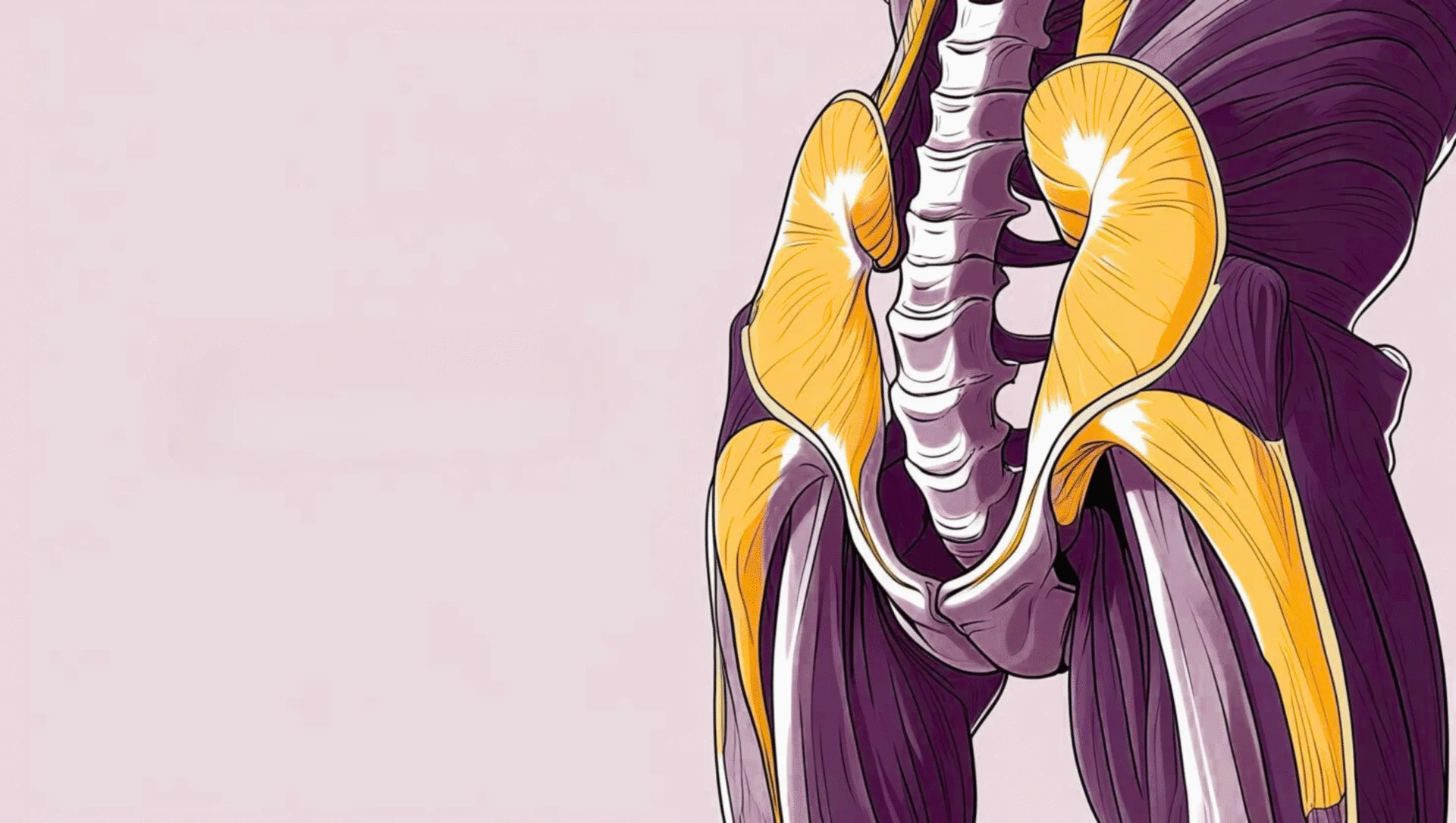
A human figure with visible muscles and nervous system, showing areas of tension in the shoulders, jaw, and chest to represent how emotional experiences are stored in the body rather than only in the mind.
Science 24 Dec 2025

Is It Muscle Memory – Or Memory in Your Muscles?

We often hear people say, “I carry a lot of tension in my body.”But here’s a deeper truth for many of us: that tension isn’t random, and it isn’t just stress. It’s a memory. Not memory stored as thoughts or stories, but memory held in the nervous system. Your body remembers patterns. Tight shoulders when…

7 min read
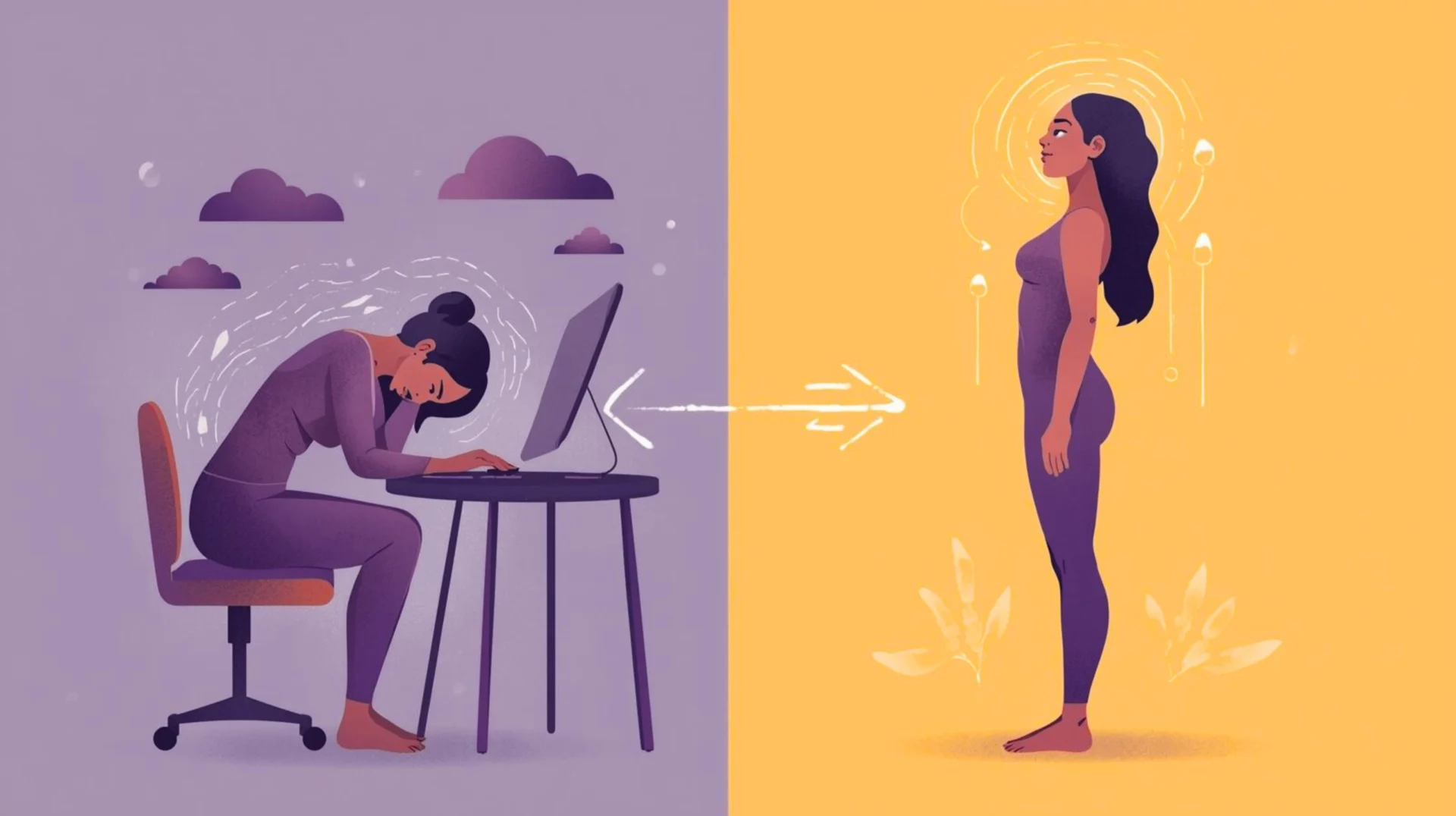
Illustration showing how stress affects posture, with a slouched, tense figure on one side and the same person standing upright and relaxed on the other, connected in a continuous stress–posture cycle.
Science 19 Dec 2025

The Stress–Posture Cycle: How Tension Shapes the Body and Mind

Posture isn’t just about standing tall or sitting straight. It’s a quiet record of how you’re coping with life. Deadlines, emotional load, uncertainty, long hours of mental focus, your body absorbs these pressures long before your mind fully processes them. Shoulders rise without notice. The jaw tightens. Breathing becomes shallow. The spine subtly folds inward.…

5 min read
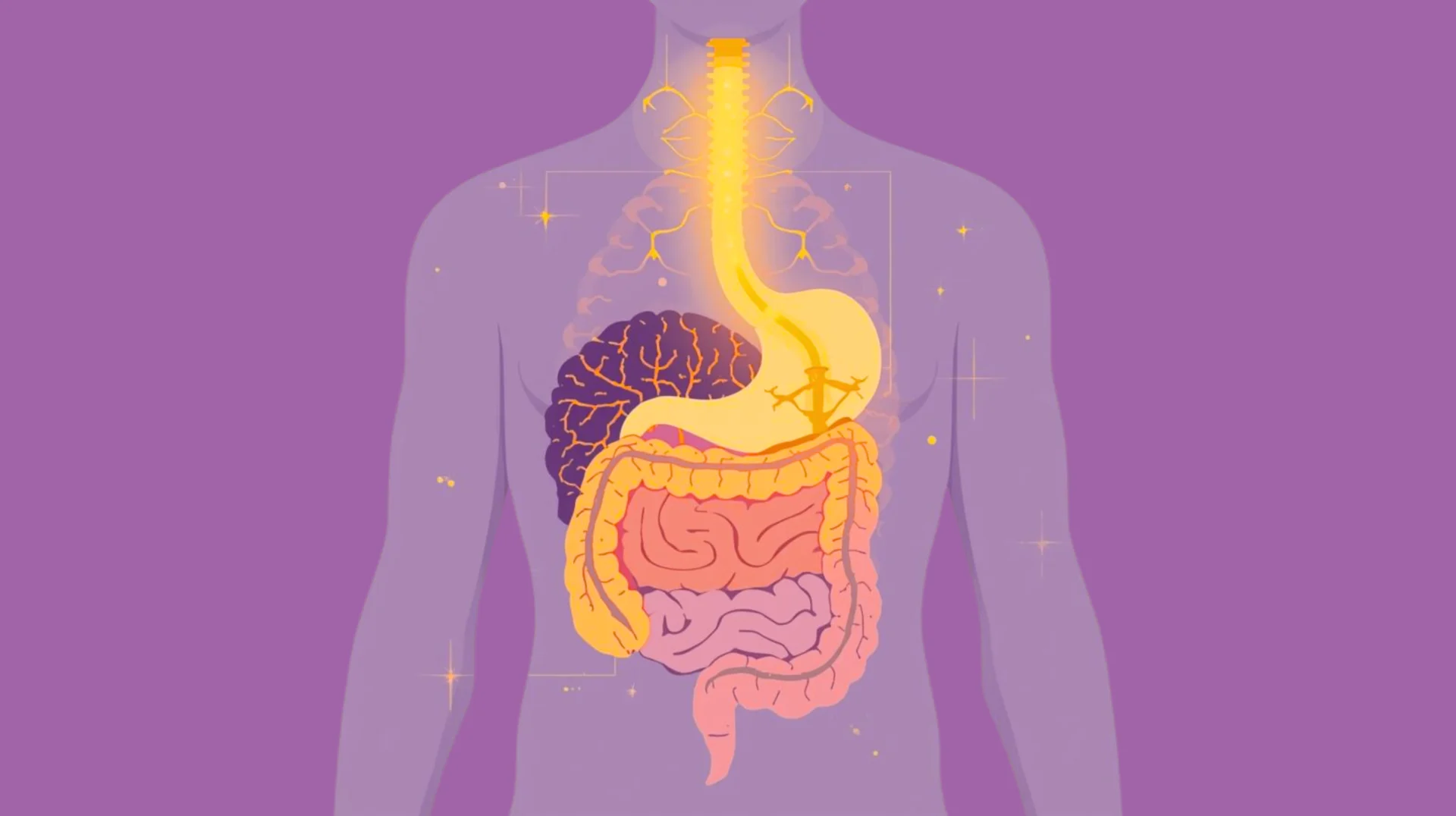
Illustration showing the gut and brain connected by neural pathways, highlighting the gut-brain connection and its role in mental health.
Posture & Support 17 Dec 2025

The Gut-Brain Connection: How Gut Health Shapes Mental Health

For a long time, mental health has been treated as a problem of thoughts. Change the mindset. Reframe the narrative. Think more positively. But quietly, beneath all that effort, another system has been shaping how you feel long before a single thought appears. Your gut. Research into the gut–brain connection has revealed something unexpected. People…

6 min read