What Causes Back Pain? Understanding Root Triggers & Prevention Tips
In this article
- Why has Back Pain Become so Common Nowadays?
- Physical and Mechanical Causes of Back Pain
- Lifestyle and Occupational Triggers
- Medical Conditions That Lead to Back Pain
- Emotional and Psychological Contributors
- When Is Back Pain a Serious Medical Issue?
- Diagnosing the Cause of Back Pain
- How to Prevent Back Pain Before It Starts
- Final Thoughts
- References:
Back pain has now turned into a common medical issue for all across the globe. The majority of adults struggle with back pain at some point in their lives. Our modern lifestyle is the main reason for repetitive back pains, which are also triggered with spine complexity and other health conditions. Hence, it is essential to understand what causes this pain for preserving long-term spinal health and overall well-being.
Why has Back Pain Become so Common Nowadays?
1. Sedentary Lifestyle and Desk Jobs
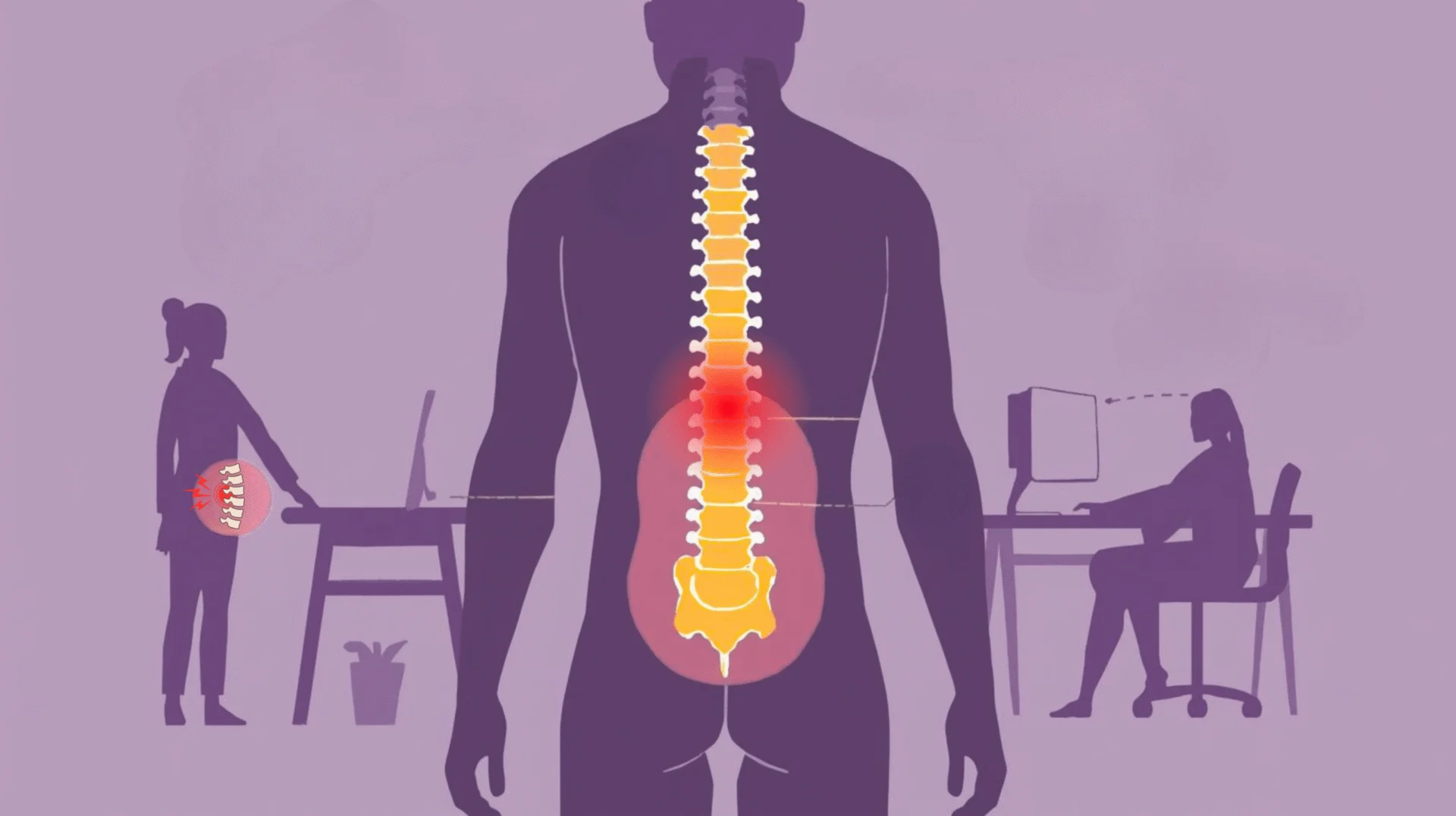
The trend of remote work and desk jobs have given rise to sedentary lifestyle habits and is now a key cause of back pain. When you sit for a long time with slumped posture, your back and abdominal muscles weaken, blood flow decreases, and compression occurs in the spine. Prolonged sitting without enough lumbar support increases pressure on the lower back.
2. Lack of Physical Activity and Weak Core Muscles
Lack of exercise can make abdominal muscles, lower back and hips weak. As a result of this, the spine does not get adequate support. The spine in such a body structure cannot take increased pressure, which elevates the risk of pain and injury.
3. Poor Posture in Daily Life
Some people slouch while they sit or stand, crunch over mobile phones, and sleep in an incorrect posture, which creates pressure on their spines. Such poor postural practices result in chronic back pain, which surrounds their upper back and neck areas.
Physical and Mechanical Causes of Back Pain
1. Muscle or Ligament Strain
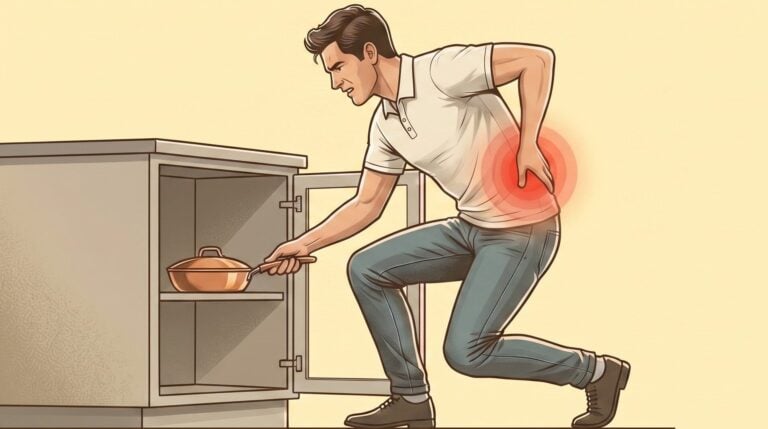
Strain in muscles or ligaments can be caused by forceful or sudden movements. Repetitive motion and standing or sitting in the same position cause micro-injuries, ultimately resulting in inflammation and discomfort.
2. Bulging or Ruptured Discs
Discs function as cushions between spinal vertebrae. Bulging or rupturing of herniated disc puts pressure on nerves, due to which you feel intense pain or other forms of discomfort. Injury or age-related wear and tear are leading causes of this issue.
3. Arthritis and Osteoarthritis
Older adults are more prone to get affected by arthritis. Osteoarthritis deteriorates cartilage in joints, which narrows the spinal cord, and the condition is called spinal stenosis.
4. Skeletal Irregularities (like scoliosis)
Scoliosis is an abnormal spinal curvature that unevenly distributes pressure across the spine. This causes muscle fatigue and chronic back pain.
5. Osteoporosis and Fractures
Fractures take place due to osteoporosis, which weakens bones. Compression fractures commonly occur in the spine, which creates back pain, especially among people suffering from low bone density.
Lifestyle and Occupational Triggers
1. Back Pain from Sitting
Drivers and desk workers who sit for long periods without breaks are particularly vulnerable to back pain. Lack of movement leads to stiffness and compresses spinal discs.
2. Improper Lifting Technique
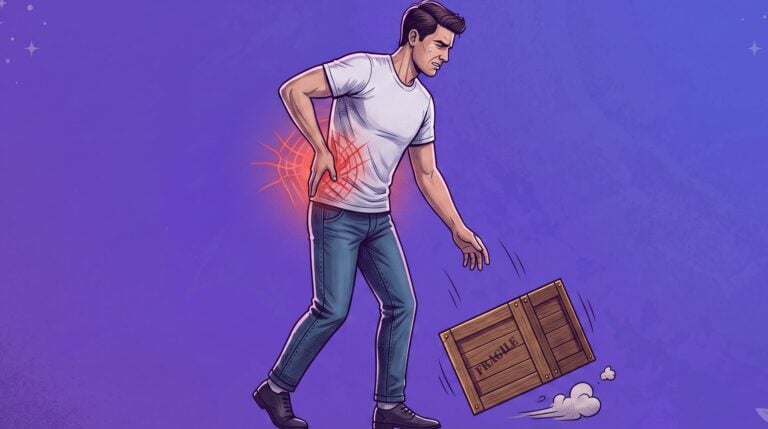
Lifting heavy items with the back instead of the legs increases the risk of acute back injuries. Proper technique and posture are crucial to avoid strain.
3. Overweight or Obesity
Excess weight puts additional stress on the spine and surrounding muscles. The lower back is especially affected due to the increased load.
4. Inappropriate Footwear
Wearing unsupportive footwear, like high heels or flat shoes without cushioning, can affect your gait and alignment, leading to back discomfort.
5. Sleeping Positions and Mattress Quality
An unsupportive mattress or poor sleeping posture can cause or worsen back pain. The spine should be aligned during sleep, and the mattress must provide adequate support.
Medical Conditions That Lead to Back Pain
1. Herniated or Slipped Disc
A herniated disc occurs when the soft center of a spinal disc pushes through its tougher exterior. It can irritate nearby nerves and cause sharp, shooting pain.
2. Spinal Stenosis
This condition involves the narrowing of the spinal canal, which puts pressure on the spinal cord and nerves. It commonly causes lower back and leg pain.
3. Degenerative Disc Disease
As we age, spinal discs lose hydration and flexibility. This degeneration can lead to chronic pain, stiffness, and reduced mobility.
4. Sciatica
Sciatica refers to pain that travels along the sciatic nerve, often caused by a herniated disc or spinal stenosis compressing the nerve. It results in sharp pain radiating down the leg.
5. Kidney Stones or Infections
While not directly spinal, kidney issues can cause referred pain in the lower back, often accompanied by other symptoms such as fever or urinary discomfort.
6. Fibromyalgia
This chronic condition causes widespread musculoskeletal pain, including in the back, along with fatigue and mood disturbances.
7. Endometriosis (in Women)
When endometrial tissue of women grows outside the uterus, it causes pelvic and lower back pain, particularly during their menstruation cycle.
Emotional and Psychological Contributors
1. Stress and Anxiety
Emotional stress increases muscle tension, especially in the neck, shoulders, and lower back. Chronic tension may lead to persistent pain.
2. Depression and Muscle Tension
Depression is often associated with physical symptoms, including back pain. It can also decrease motivation to stay active, worsening the condition.
3. Psychosomatic Pain Responses
In some cases, emotional trauma or unresolved stress manifests as physical symptoms, including back pain, without a clear physiological cause.
When Is Back Pain a Serious Medical Issue?
1. Signs You Should See a Doctor Immediately
You need immediate medical care when your back pain comes with chest pain, trauma-related injuries, and severe weakness.
2. Neurological Symptoms Like Numbness or Weakness
If your nerve is compressed or your spinal cord is damaged, you can feel numbness, tingling, or weakness in arms or legs. There is a need for prompt evaluation in such cases.
3. Pain with Fever, Weight Loss, or Loss of Bladder Control
These red-flag symptoms may point to serious conditions like infections, tumors, or cauda equina syndrome and require urgent care.
Diagnosing the Cause of Back Pain
1. Physical Examination Techniques
Doctors assess back pain through movement tests, muscle strength evaluation, and checking for reflex changes or sensory loss.
2. Imaging Tests: MRI, X-ray, CT Scan
These diagnostic tools help identify structural problems such as herniated discs, fractures, tumors, or infections.
3. Identifying Chronic vs Acute Back Pain
Acute pain usually results from a specific injury and resolves within weeks, while chronic pain persists for more than three months and often has multiple causes.
How to Prevent Back Pain Before It Starts
1. Ergonomic Workspaces
Poor ergonomics is another cause of back pain. Hence, to avoid that, set up your desk with a supportive chair, monitor at eye level, and proper keyboard placement. Take breaks to stretch and move around regularly.
2. Daily Stretching and Core Strengthening
Incorporate exercises that improve flexibility and strengthen your core muscles. Yoga, Pilates, and planks are especially helpful.
3. Maintaining a Healthy Weight
A balanced diet and regular physical activity help maintain a healthy weight and reduce stress on the spine.
4. Proper Sleeping Habits
Use a supportive mattress and avoid sleeping on your stomach. Side or back sleeping with a pillow to maintain spine alignment is ideal.
5. Posture Correction Tips
Be mindful of your posture when sitting, standing, or lifting. Use lumbar support and avoid slouching to protect your spine.
Final Thoughts
Moreover, you should never ignore back pain. It can be due to physical, medical, or emotional factors. Hence, you need to understand the ultimate cause of the back pain for proper treatment. Ensure that your posture and movement is correct as maintaining them can help you to live a pain-free life.
People are also reading:
- How Knee Supports and Compression Gear Boost Joint Health
- Ergonomic Hacks for Frequent Ride-Share Drivers
- How Footwear Choices Influence Your Overall Body Alignment
- Can Your Sitting Posture Cause Hip Misalignment
- Fast, Targeted Relief: The Science Behind Pain Relief Gel
- How Knee Support Helps Prevent Injury and Reduce Pain While Running
- How Back Support Belts Can Protect Your Back
- How Can Knee Cap Support Help Prevent Injury
- How Instant Pain Relief Sprays Actually Work to Soothe Muscle
Frequently Asked Questions:
1. Can poor posture be a reason for long-term back pain?
Yes, prolonged poor posture can lead to spinal misalignment and muscle fatigue, causing chronic back pain over time. Yes, poor posture for a long term can cause misalignment in spines and muscle fatigue, leading to chronic back pain.
2. How to assess the seriousness of my back pain?
If back pain is accompanied by fever, numbness, bladder/bowel issues, and unexplained weight loss, then consider it is considered serious and require immediate medical assistance.
3. Can stress and anxiety cause back pain?
Yes, you can experience chronic discomfort and stiffness in the back due to muscle tension, which is caused by stress and anxiety.
4. How will I feel if I have a slip disc?
A sharp pain can bother you because of slipped or herniated discs. Numbness or tingling can also occur, which may spread to your arms or legs.
5. Can sleeping positions cause back pain?
If you sleep in an improper posture or an unsupportive mattress, it can strain the spine, and cause back pain.
References:
- NIH (2023). Back Pain. Retrieved from: https://www.niams.nih.gov/health-topics/back-pain
- Mayo Clinic. (2022). Back pain – Symptoms and causes. Retrieved from: https://www.mayoclinic.org/diseases-conditions/back-pain/symptoms-causes/syc-20369906
- American Association of Neurological Surgeons (2024). Low back pain. Retrieved from: https://www.aans.org/patients/conditions-treatments/low-back-pain/
- O’Sullivan, P., Smith, A., Beales, D., & Straker, L. (2017). Understanding adolescent low back pain from a multidimensional perspective: implications for management. journal of orthopaedic & sports physical therapy, 47(10), 741-751. https://www.jospt.org/doi/10.2519/jospt.2017.7376
- Frosch, M., Mauritz, M. D., Bielack, S., Blödt, S., Dirksen, U., Dobe, M., … & Zernikow, B. (2022). Etiology, risk factors, and diagnosis of back pain in children and adolescents: evidence-and consensus-based interdisciplinary recommendations. Children, 9(2), 192. https://doi.org/10.3390/children9020192