Fast, Targeted Relief: The Science Behind Pain Relief Gel
In this article
Adulthood is hard, especially when muscle soreness and joint pain becomes a daily part of life. Aches and muscle stiffness can bother your day-to-day activities and slow you down in the process. This is where the role of pain relief gel comes into play. It starts working immediately at the pain’s source by providing quick, localised relief to ease muscle, reduce inflammation, and help in recovering faster. So, before you decide to buy a pain relief gel, know its science-backed working process, usage benefits, and guidelines for effective application.
Why Muscle and Joint Pain Happens
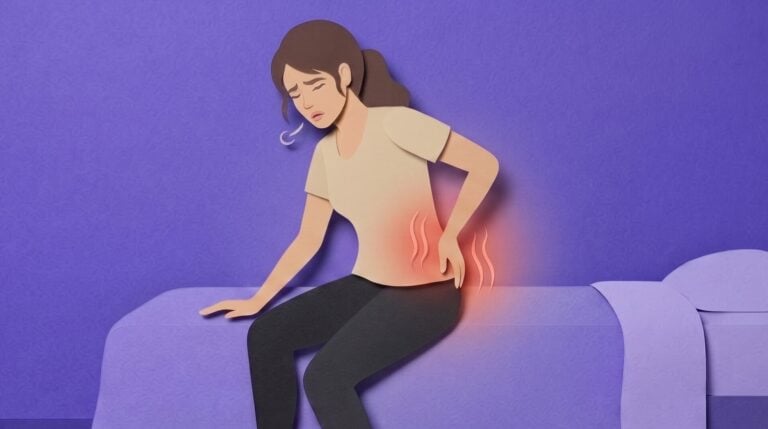
Muscle and joint pain occur due to several reasons. The severity of pain varies with people, irrespective of the type of causes. It is an unpleasant signal a body gives. Hence, knowing the reason behind it, can help ease your pain.
1. Common Causes of Discomfort
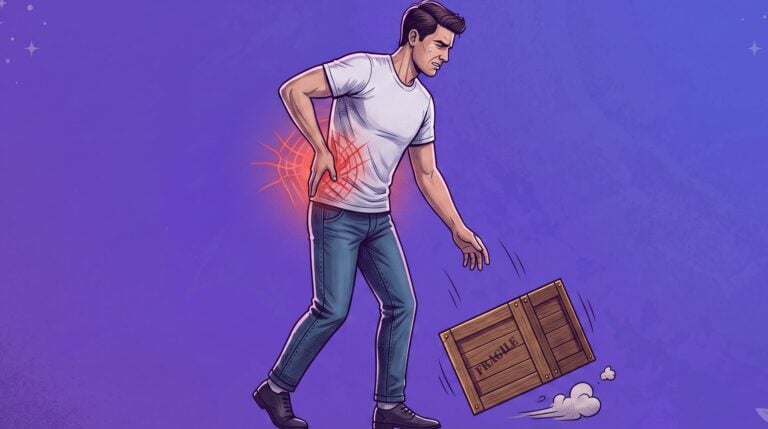
- Muscle strain due to excessive physical movement: You can experience soreness or stiffness in case of doing extreme exercise or lifting weights that are beyond your limits. Strains can be minor or major depending on the breakage of the muscle fibres.
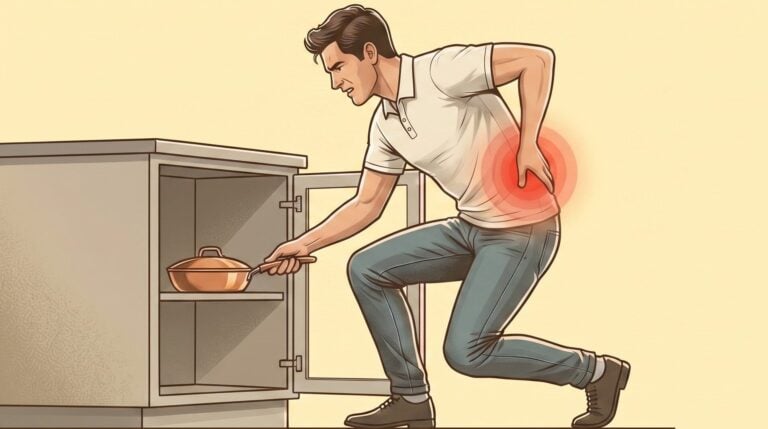
- Repetitive motion injuries: This is caused when repetitive activities continue to occur for a long time. Typing, bending, or lifting things a lot puts strain on your joints, muscles, and other tissues.
- Arthritis or joint inflammation: It happens when one or more joints pain and swell up. Osteoarthritis or rheumatoid arthritis can cause it.
2. How Pain Signals Work
When a muscle or joint is experiencing tremendous stress, nerve endings release chemicals such as substance P (neuropeptide). The chemicals signal the brain about pain. Local inflammation can make the discomfort worse and produce soreness that lasts for hours or days after exercise.
How Pain Relief Gels Work
Pain relief gels are designed in a way that give direct targeted relief to sore muscles and joints, unlike oral medications, which transit through the body.
1. Targeting the Source
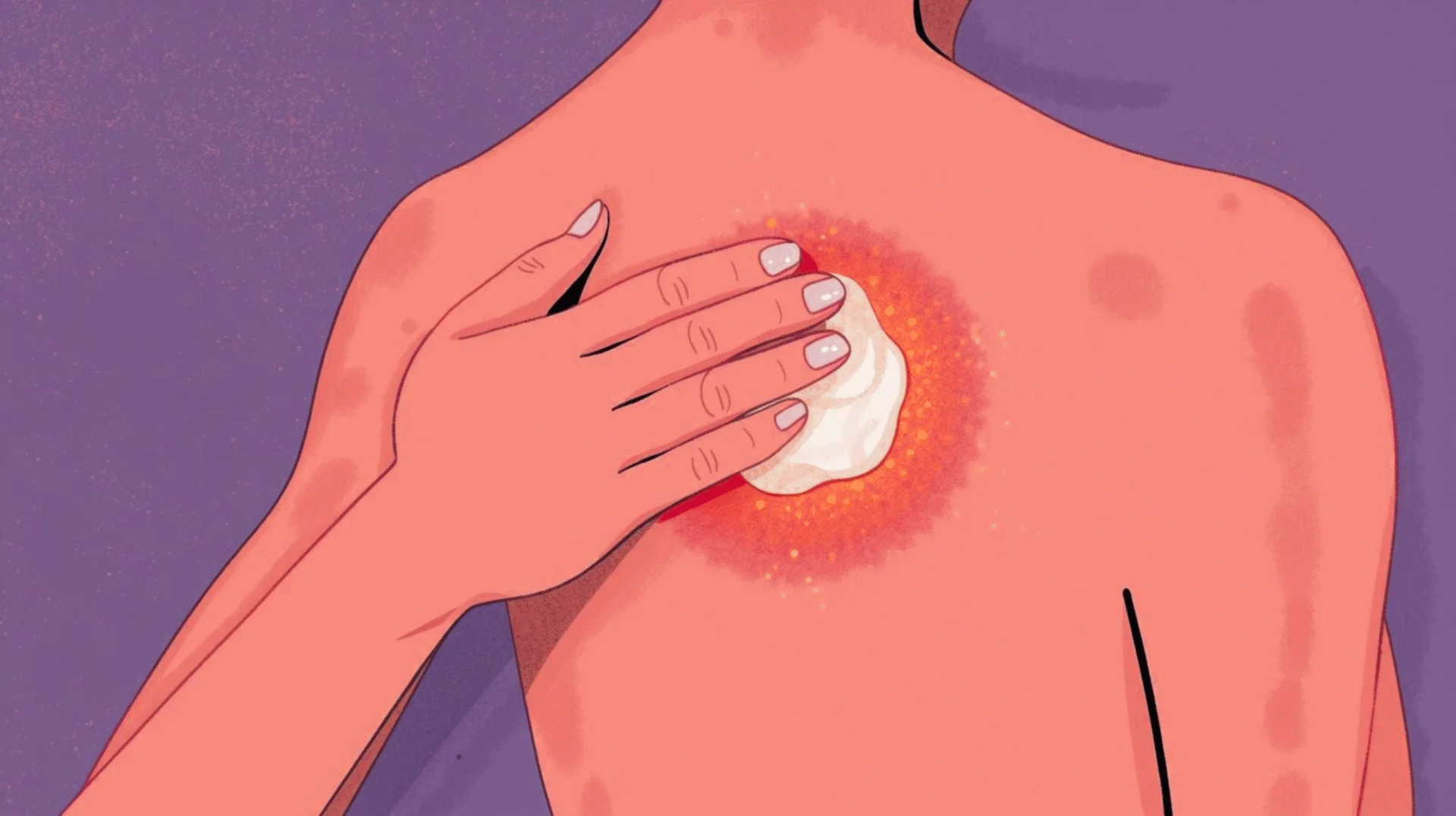
Pain relief gels work by getting deep into the skin and reaching muscles, ligaments, and joints. These medications block pain signals at the nerve endings and reduce swelling, which makes you feel better right away in the affected area.
2. Cooling and Soothing Effects
Some gels have menthol or camphor in them, which makes you feel cool. This soothes nerve endings and gives you rapid relief, making pain less and movement easier.
3. Reducing Inflammation and Swelling
Topical pain gels often contain NSAIDs, which are natural pain relieving medications. These components help the body repair, minimise swelling in tissues, and ease post-exercise pain. Gels help muscles and joints heal faster and get back to normal life by reducing inflammation in the painful areas.
Advantages Over Other Pain Relief Methods
Pain relief gels offer several benefits compared to other forms of treatment:
- Fast-acting and localized relief: Gels work right in areas which are injured and relieves you from pain within minutes. This is an advantage over oral medications which take longer time to cure.
- Fewer side effects: No potential side effects are observed till now as they are applied superficially on skin.
- Convenient and easy to apply: Gels are perfect for athletes or individuals who go through a busy schedule. You can carry them easily without the fear of messing and apply them as per your need.
How to Use Pain Relief Gel Effectively
Proper Application
- Carefully clean the affected area and then apply the gel.
- Take a small amount and apply them into the skin until it gets completely absorbed.
Frequency and Safety
- Follow the product’s recommended usage to avoid skin irritation.
- Avoid applying to broken or sensitive skin.
Combining With Recovery Practices
- Pain relief gels work best when you take rest and stay hydrated. Along with this, a gentle stretching can also help you get the maximum benefits.
- Such a combination is appropriate for rapid healing from muscle and joint pain. Persistent soreness can also go away with this practice.
When to See a Doctor
While pain relief gels are effective for mild to moderate aches:
- An indication of deeper injury may come with persistent pain, swelling, or unusual symptoms.
- If pain remains even after applying topical gel or worsens over time, immediately consult a healthcare expert.
- Gels cannot be a permanent replacement for treating severe or chronic pain. These are only supplementary with a proven safety profile.
A convenient option
Pain relief gels provide targeted comfort quickly for sore muscles and joints. They work to reduce inflammation, calm nerve endings, and improve mobility. These are highly effective for recovering with post-exercise pain or even for managing daily pains. Gels are portable which makes it convenient to use.
Final Thoughts
Pain in joints and muscles cannot be a barrier in your daily life. To get away from it, pain relief gels are the quickest solution as they reduce swelling and make your movements easier. Use them while maintaining an active lifestyle to get the best result.
People are also reading:
- How Knee Supports and Compression Gear Boost Joint Health
- Ergonomic Hacks for Frequent Ride-Share Drivers
- How Footwear Choices Influence Your Overall Body Alignment
- Can Your Sitting Posture Cause Hip Misalignment
- How Pressure Distribution Impacts Your Spine
- How Ankle Support Braces Help Prevent Injuries
Frequently Asked Questions:
1. How quickly does pain relief gel work?
Most gels can ease pain and work within 10 to 15 minutes after being applied.
2. Is it okay to use pain relief gel on joints and muscles at the same time?
Yes, it is best to apply directly to the areas that are bothering you most.
3. What are the side effects of using topical pain gels?
There can be some mild skin irritation. So, always follow the instructions for application and do not use it on injured skin.
4. How many times a day should I apply the gel?
Usually 2 to 4 times a day, following the directions on the package.
5. Can pain relief gels take the place of other treatments for chronic pain?
Pains that are mild to moderate can only be replaced with them. However, if you have chronic or severe pain, you should see a doctor.
References
- Cleveland Clinic, (2025). Retrieved from: https://my.clevelandclinic.org/health/drugs/23723-camphor-menthol-cream-gel-or-lotion [Viewed on 30 August 2025]
- Jorge, L. L., Feres, C. C., & Teles, V. E. (2010). Topical preparations for pain relief: efficacy and patient adherence. Journal of pain research, 11-24. https://pmc.ncbi.nlm.nih.gov/articles/PMC3048583/
- MayoClinic, (2025). Arthritis pain: Treatments absorbed through your skin. Retrieved from: https://www.mayoclinic.org/diseases-conditions/osteoarthritis/in-depth/pain-medications/art-20045899 [Viewed on 30 August 2025]
- Mayo Clinic Proceedings, (2013). Topical Analgesics in the Management of Acute and Chronic Pain. Retrieved from: https://www.mayoclinicproceedings.org/article/S0025-6196%2812%2901170-6/fulltext [Viewed on 30 August 2025]
- Pergolizzi Jr, J. V., Taylor Jr, R., LeQuang, J. A., Raffa, R. B., & NEMA Research Group. (2018). The role and mechanism of action of menthol in topical analgesic products. Journal of clinical pharmacy and therapeutics, 43(3), 313-319. https://onlinelibrary.wiley.com/doi/10.1111/jcpt.12679