Nervous System Health: A betterhood Approach to Everyday Balance
In this article
- Understanding the Nervous System
- Are you feeling stressed out these days?
- How Modern Lifestyle Impacts the Nervous System
- Sympathetic Nervous System and Posture
- Releasing Movement Can Help the Nervous System
- The Biological Concept of Homeostasis and Recovery
- Breathing and Nervous System Regulation
- Building a Nervous System Friendly Routine
- Mistakes That Affect the Nervous System
- How betterhood Works: Based on Your Microbiome
- When to Pay Closer Attention
- Conclusion
- FAQs
- References
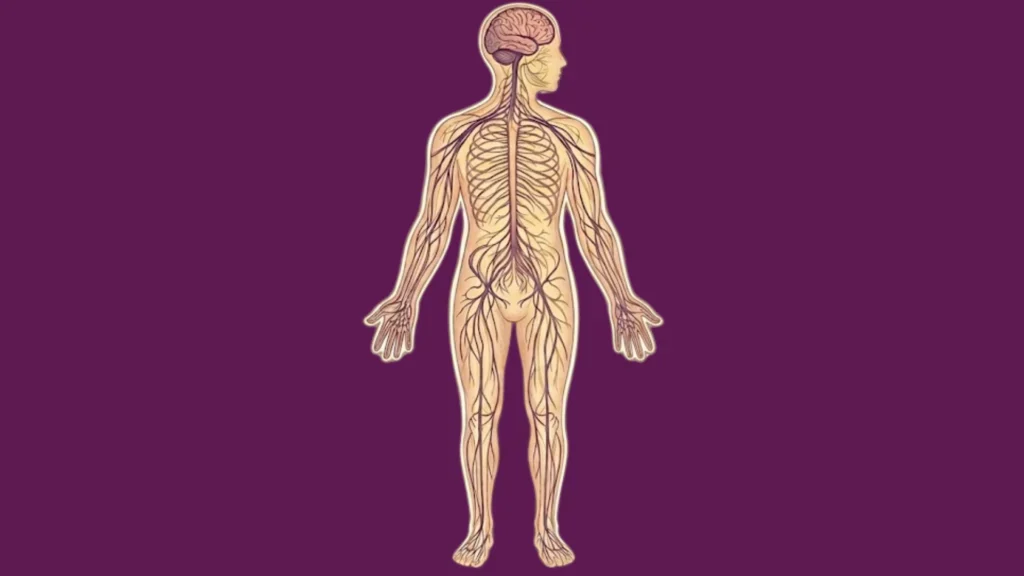
Your nervous system is never off. It tells you when and how to move, responds to stressors, informs the recovery process and lets you know what it is like as you are having a day. It handles everything from switching your hand on and off, to raising up your arm, to making sure your breath is deeper.
Much of modern day life provides little opportunity for the nervous system to really settle down. There is looked after for hours ensuring their surfing on screen, prolonged sitting and mind depression. So the body is really just a taut, weary nightmare whose healing never gets actually executed.
The reason these are more difficult to tease out, is that these effects accrue over time. You can’t expect results overnight but you’ll see compounding over the years. Soon, a little stiff becomes permanently tight. Onset of an occasional tiredness becomes chronic malaise. And even if you’re in bed for hours, sleep might be less restorative.
How you support your body throughout the day, translates to how your nervous system functions as well. Posture of recovery is part of the puzzle that makes your system feel more balanced or strained in this lights-on, everyday life context. It is the small habits, practiced consistently, that determine how your body adapts in the long run.
betterhood mentality moves mountains together instead of demanding others supply the energy. Yet it is actually an issue when you are activating going to the support system for your rest rather than fixing it. In other words, in alignment so there’s less tension that we’re not using and our movement for the rest of the day is smoother.
When what your nervous system asks for in complaint gets met, then your body learns better how to do everything. We recover more quickly, things flow more freely, there is less resistance. This is one practice you do over a period of time to get a balance that starts flowing in all aspects to improve your day.
Understanding the Nervous System
What the Nervous System Does
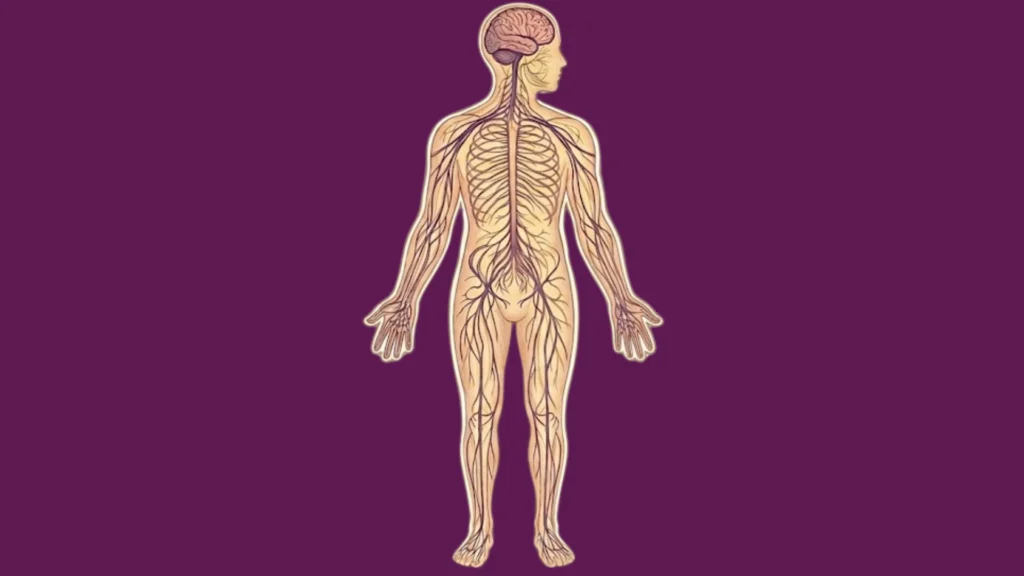
The nervous system is the whole communication network in your body. It connects your brain with your muscles, organs and tissues, so information is transmitted quickly and seamlessly. It governs the voluntary including movement and some involuntary ones like breathing, food digestion and heart function.
Not only do your nerves perform their due diligence, but your central nervous system is also always monitoring what’s going on externally and internally. It registers change, the difference between known or familiar and new and different. It modulates signals so your body can respond in real time. Your nervous system is working overtime behind the scenes when you recoil from a startle reflex, your usual posture or even your balance.
Why It Matters in Daily Life
When your nervous system jars are finely tuned, your body feels balanced and works at model efficiency. It keeps you limber, aids recovery post-fatigue and primes your mind mechanics to better grapple with physical and mental strain. Your body is behaving more intuitively and less inhibitively, things are functioning how they’re supposed to.
But at what point that nervous system gets overwhelmed, even the simplest of things can feel like heavy lifting. You could be feeling increased muscle tension, having trouble recovering or getting chronic fatigue. Over time, this can begin to impact your ability to focus, engage and perform familiar tasks without difficulty.
Are you feeling stressed out these days?
Physical Indicators
- Constant muscle tightness
- Pain or discomfort in the neck, shoulders or lower back
- Reduced flexibility and stiffness
Mental and Emotional Signs
- Difficulty relaxing after work
- Feeling overwhelmed without clear reason
- Reduced focus and mental clarity
Sleep Related Signals
- Trouble falling asleep
- Interrupted sleep cycles
- Waking up feeling tired
How Modern Lifestyle Impacts the Nervous System
Sedentary Habits and Posture
Prolonged sitting especially if you’re slumped or without the support of a firm chair back exerts sustained pressure on your spine and adjacent tissues. Over time, this causes the rates at which signals are transmitted to several areas of the body within the nervous system. With bad posture when we’re slumped forward, say or our shoulders rounded, that puts uneven stresses in the body along the back but also creates muscular imbalances that pop up tension.
This ongoing pressure isn’t only beneath the surface. It can slow signals zipping around the nervous system, so it feels like action is less viscous and creates a general malaise. You may experience a feeling of stiffness or decreased mobility, there can be persistent tension in the neck and shoulders or lower back.
Chronic Stress and Overstimulation
We are living in a stimulus rich world all the time. Notifications and deadlines, the multitasking and screen time all these things keep a nervous system hostage in that on alert state. Rather than creating a healthy cycle of action and rest, the body gets stuck in this chronic stress response.
And this ongoing activation can fatigue the nervous system’s typical resting function. Even at rest, you can be tense or deliberately turned on. And this makes you less capable of actually relaxing not only in a purely physical sense but also mentally.
Lack of Recovery
Recovery, crucial to a properly functioning nervous system, is often neglected. Instead of waiting for the night, when your body finally rests and resets throughout the day. Recovery never gets the chance to re stabilize the nervous system, unless it is done well.
If recovery is limited, fatigue accumulates. The muscles are still taut, the movements more circuitous and the body struggles to return to its native rhythm. That can contribute to a cycle that keeps the nervous system feeling like it never gets actually scared enough to relax, even though we’re more sedentary.
Sympathetic Nervous System and Posture
Spinal Alignment and Nerve Function
Spinal Cord is the main part of the nervous system between mind and body supports, protects structure of the circulatory center when they’re lined up, the nerve impulses flow freely and your body glides seamlessly in service of movement, stress and recovery.
Another offering that must generally remain consistent for the spine’s ongoing health is alignment, but when someone gets off kilter in some way think postural patterns; a lot of sitting; uneven movement patterns it creates tension at and or around the spine. And that tension can interrupt signal transmission; it can lead to tightness, discomfort and slowed coordination. All of that friction without relief over time creates forces in the body which manifests as low grade stress.
Everyday Support for Better Alignment
Well aligned postures minimize over tensioning of the nervous system. The way you sit at your desk, how often you stand and move throughout the day. Little stuff, like keeping a neutral spine so you’re not hunched over making a display for hours and hours on end when you make changes of that nature they compound over time.
Consistent support is key. When your body feels well supported, it doesn’t have to work as hard to compensate for imbalances so everything is much more at ease and that minimizes fatigue and tension in the body. And betterhood products are no different! The way they help your body adapt into better positions with much less stress on trigger points and greater stability when it comes to just living your day to day.
Releasing Movement Can Help the Nervous System
Why Movement Matters
So movement is a stellar stimulator of heart rate variance. It stimulates circulation, releases muscular tension and signals the body to shift out of its stress response. Even mild, repetitive motion permits the body to recuperate and function better in a safe space.
The body is trained to be pliable with regular movement. The muscles remain more engaged and the joints gratefully remain loose for dynamic movement, while the nervous system can be more adaptive to physical demands.
Balancing Activity and Recovery
Your body also needs plenty of action and integration. I will be harried by tiredness and complacency, the over sourcing too much, if I do not make a space to restock. No movement, on the other hand, can cause a lot of stiffness and prevent the body from being reactive.
This is why interfering with the nervous system can be beneficial, but not overstimulating. Combine bursts of time sparse activity with recovery, knowing that they both serve to keep your energy levels up and make you more comfortable so you can endure.
Supporting Movement with betterhood
Use supportive products to help make movements more effective, such as knee sleeves and braces. They are critical for everything from joint alignment to ensuring graceful movement, playing a key role in stabilizing larger joints (shoulders, hips) while reducing superfluous loading on those very joints, allowing greater control during peak physical exertion.
This additional support can help to alleviate pressure on the nervous system by allowing movement in less restricted, more confident movements. When you feel stable and supported in your body, you can be more natural, consistent with your daily routine.
The Biological Concept of Homeostasis and Recovery
Beyond Sleep
Rest is one type of recovery. That includes how you hold your body throughout the day and how much support it gets when it is not moving.
Creating a Supportive Environment
A loose body would let you travel easily. It can be a pathway to focusing on differences and replanning remedies.
betterhood products allow you to locate the comfort and stability that can make your body sleep well.
Breathing and Nervous System Regulation
The Power of Breath
Breath has a direct influence on the nervous system. This dropping down to a peaceful breath allows the body to move into calmness.
Simple Practices
- Deep breathing
- Slow inhale and exhale
- Regular breathing awareness
Supporting Relaxation
Comfort factors into proper breathing. One can relax the body with more ease when supported.
Building a Nervous System Friendly Routine
Daily Habits
- Take regular breaks
- Maintain proper posture
- Stay hydrated
- Prioritize sleep
Consistency Over Intensity
That it is in those tiny things you do daily that wire your brain and body for success when it comes to how fit your nervous system is.
Integrating betterhood
Ergonomics is when you have to work with supportive products for your activities of daily living and comfort that will keep you in neutral any activity to reduce strain.
Mistakes That Affect the Nervous System
Ignoring Early Signs
Minor pain often gets dismissed as easy to ignore but it tends to be our first sign that your nervous system ain’t doing so hot. And the mild stiffness or baneful tension for that matter, can through neglect become more pernicious problems over time of course. If you can spot these red flags early, it helps reset on a smaller scale.
Overtraining Without Recovery
Keep in mind, the nervous system is a pattern for dysfunction if there has been too much fatiguing stress and not enough rest alone. There is an importance of movement but if we just move in high gear and never pause for a moment then the system does not get reset. That can lead over time to fatigue, underperformance and increased muscle tension.
Relying on Quick Fixes
Temporary fixes may be able to deliver some short term relief, but that will take us only so far in confronting the deep seated causes of disquiet. Without a shift in daily routines posture, movement and recovery the same issues are likely to return. It is less about a few jots and more about the daily habits, for the sake of the nervous system’s long-term health.
Poor Ergonomics
So extra support for your body in the wrong sitting/working position applies additional pressure on your body. In bad ergonomics long term spines and overall musculature changes which ultimately changes your nervous system. A friendly atmosphere does much to ease this low level angst.
How betterhood Works: Based on Your Microbiome
Postural Support
With these products from betterhood, even your routine brings you precision; They help to maintain the curve of the body and prevent unnecessary force pulling on spine & other structures, therefore allowing our nervous system to do its work.
Balanced Stability
There is no restriction on movement. What betterhood offers is balance. That allows your body to do what it is designed to do in a more natural posture as well as benefitting from added stability that reduces strain on joints and muscles alike.
Comfort for Daily Use
One reason consistency happens is involved in comfort. betterhood makes every product for a long-wear without discomfort with breathable and ergonomic patterns to give you support on your go.
When to Pay Closer Attention
Persistent Discomfort
All time tension or discomfort might mean you are trapped in one setting of your nervous system, never more than alert. If so, it is imperative to treat the factors that contributed.
Sleep Issues
Struggling to drift off or stay asleep is one indication that your nervous system isn’t fully settled down. It is often a sign of imbalance that needs to be reset.
Chronic Fatigue
You also may be fatigued even when you’re resting, which means your body isn’t recovering effectively. This is due to an overstimulated nervous system which lacks the opportunity to reset more about this later.
Seeking Professional Help
When symptoms stick around or devolve into something worse, chatting with someone who knows what they’re doing can lend some perspective on your malady. That’s why early diagnosis and treatment are also so crucial, because it avoids more serious problems down the road to help ensure long term healthy functioning of the nervous system.
Conclusion
How your body feels and functions is directly tied to the nervous system, so much of this has to do with having care for it. It enables a continuous awareness of posture, movement, breath and recovery.
This betterhood is to set comfort and undermine tension in everyday habits and facilitating solutions. Add together all those little changes over time and your body will feel more balanced, more resilient.
When your nervous system gets support, movement plus recovery becomes a bit easier; even daily life can feel less overwhelming.
FAQs
Your nervous system regulates the flow from the brain to your body, including movement and the response to stress and recovery.
These can take the form of chronic fatigue, muscle stiffness, restless sleep and difficulty unwinding.
Yes, because bad posture can put stress on the spine and interfere with proper nerve signaling.
Yes, moving your body at least occasionally promotes circulation and encourages the body to shift out of stress response.
Chronic stress persists in this elevated state of the nervous system, making it that much more difficult for our bodies to relax and recover.
Deep and slow controlled breathing will calm down and relax your nervous system flowing into relaxation.
In other words when we don’t get a good night’s sleep, the resetting power of the body lessens and we feel increasingly tired and out of balance.
Posture, consistency, some stress management and proper recovery technique all help nourish your nervous system.
References
1.Cleveland Clinic, 2022 Nervous System: What It Is, Function & Parts
https://my.clevelandclinic.org/health/body/21202-nervous-system
2.National Institute of Neurological Disorders and Stroke (NINDS), 2021 Brain Basics: Know Your Nervous System https://www.ninds.nih.gov/health-information/public-education/brain-basics/brain-basics-know-your-nervous-system
3.Harvard Health Publishing, 2020 Understanding the Stress Response
https://www.health.harvard.edu/staying-healthy/understanding-the-stress-response
4.Mayo Clinic, 2022 Stress Symptoms: Effects on Your Body and Behavior
https://www.mayoclinic.org/healthy-lifestyle/stress-management/in-depth/stress-symptoms/art-20050987
5.National Health Service (NHS), 2023 Stress, Anxiety and Mental Wellbeing
https://www.nhs.uk/mental-health/self-help/guides-tools-and-activities/stress/
6.Verywell Health, 2022 Autonomic Nervous System Overview
https://www.verywellhealth.com/autonomic-nervous-system-5218576


