Doctors Don’t Tell You This About Knee Pain (But You Need to Know)
In this article
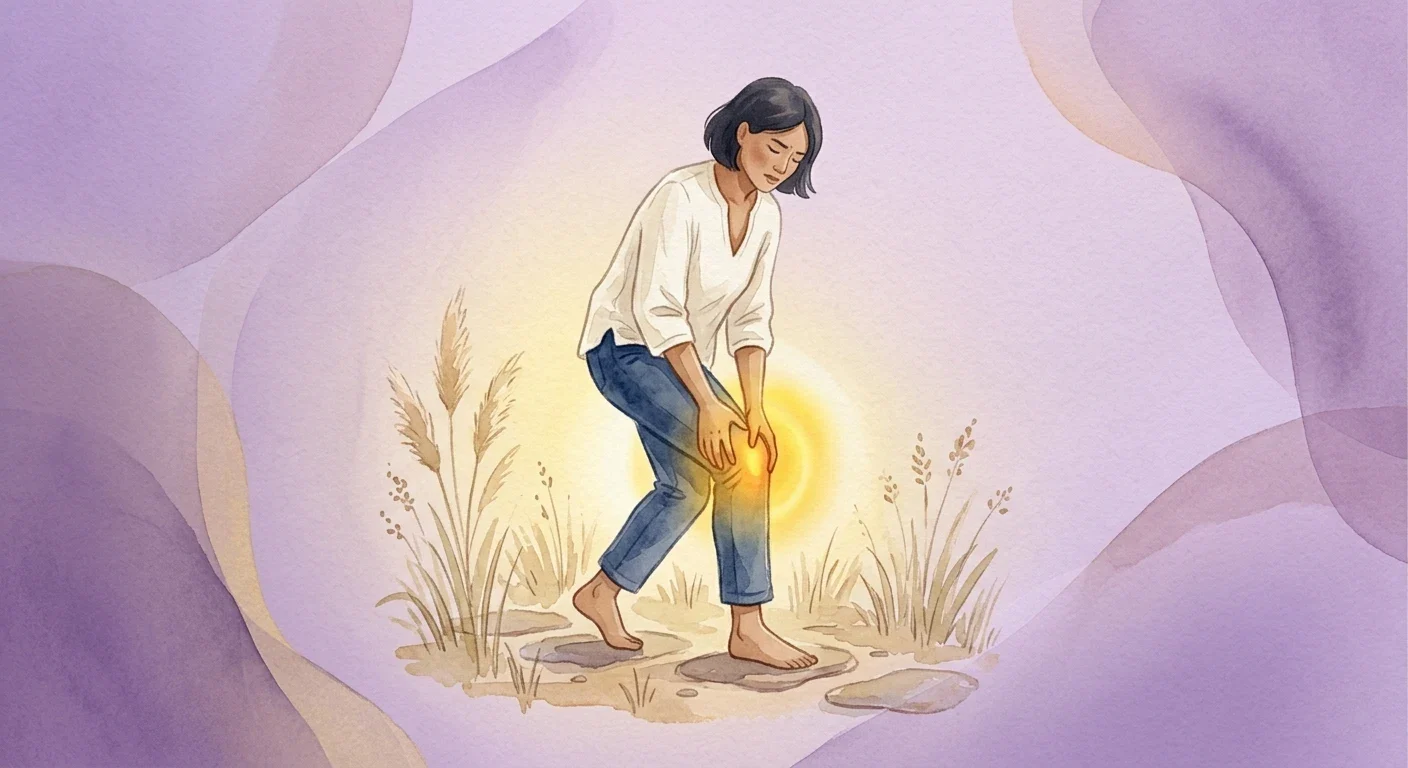
Knee pain can start out as something minor, then gradually turn into a daily issue. You might experience it going up stairs, sitting down, standing up, walking and bending the knee. Or try to rest, stretch or change shoes; the pain returns. That is often because the actual problem is more than just the pain itself. It is the cause behind it. That’s why it’s important to understand the causes and treatment of knee pain.[1]
The knee is a busy joint. It bears weight, flexes frequently and endures pressure from everyday locomotion. For that reason, it can ache for a variety of reasons, including overuse, injury to the knee or surrounding ligaments and tissues, arthritis and issues around the kneecap itself. Treatment differs depending on the cause, so step one is understanding what’s going on.[1]
Why Your Knee Pain Does Not Go Away
Many treat the symptom, but not the cause. That is why the pain returns. Knee pain can arise from overuse, a twisting injury, arthritis or problems with the way the kneecap tracks. It can also be connected to body weight, changes in activity or repetitive strain. [1][3]
In addition, mild knee pain is often neglected until it interferes with stairs, walking or sleep. Many knee problems are common and tend to improve with self-care, according to NHS guidance, but some require medical attention if they do not settle or the knee locks or gives way or becomes hot and swollen. [7]
So, if your knee pain is recurrent, the solution isn’t typically “just rest more.” The better question is: why is there pain in the first place? [1]
Causes and Treatment for Knee Pain: The Leading Causes of the Pain
1) Overuse and repetitive strain
Overuse is one of the common causes of knee pain. This can happen if you walk a lot, run frequently, use stairs repeatedly, squat numerous times or perform a particular motion daily. Repetitive use can irritate tendons and other soft tissues surrounding the knee. [1][5]
This is partly why athletes and active people develop knee pain, but it can occur outside of sports as well. Knees may also feel irritated by long periods of time standing, repetitive work tasks or sudden spikes in activity. [1]
Treatment typically begins by reducing activity that is aggravating the pain before carefully retraining strength and movement. In most instances, exercise and physiotherapy are better than total rest. [4]
2) Twisted or impact injury
Knee pain can also be caused by an injury. A sudden twist, fall or impact can injure a ligament, tendon or cartilage. Pain after twisting or overuse may indicate sprains or strains, according to the NHS, while more severe injuries may affect ligaments or torn cartilage.[1]
Common knee injuries, according to AAOS, can be ligament sprains, cartilage injury and other soft tissue damage. Injury-related swelling, locking, or giving way requires more careful attention. [5]
Treatment usually begins with RICE-like care for the acute stage of injury: rest, ice, compression and elevation. That can help alleviate swelling and pain temporarily. [5]
3) Arthritis in the knee
Another common cause of knee pain: arthritis, particularly in adults. As the cartilage in the knee gradually wears down, it can lead to pain, stiffness and swelling. MedlinePlus says one of the most common knee problems is osteoarthritis, and AAOS advises there’s no cure but that several treatments can minimize pain and disability. [2][3]
Often knee arthritis hurts more after being active or after sitting too long. It can also lead to morning stiffness. Chiropractic care, medicines, physical therapy and exercise with or without weight reduction can be used to treat the same.[ 6]
4) Pain around the kneecap
Some of the pain in your knee stems from behind or around your kneecap. That’s commonly referred to as patellofemoral pain syndrome or anterior knee pain. It may occur when the kneecap does not glide smoothly along the front of the joint with movement, revolutionized by stairs, squatting, kneeling, or running. [8]
Treatment usually starts with small tweaks. These can be modifications to painful movements, strengthening the muscles of the legs, stretching tight muscles, adjusting patterns of movement and the performance of exercise, and using orthotics or taping in some cases. [8]
5) Force and body weight on the joint
Knee load can be impacted by body weight. MedlinePlus reports that excess weight can raise the risk of problems with the knees. Additional weight increases the burden on the joint when you walk and stand. [2]
That does not mean weight is the only factor. It just means the knee might have to work harder with greater load. Reducing that load, when feasible, might improve knee comfort. [2]
What treatment actually helps
When folks search for the causes of and treatments for knee pain, they often seek a quick solution. But treatment is most effective when it aligns with the cause. A knee sore from overuse is treated differently than arthritis or an injury. [1]
Rest and activity change
For minor knee pains, decreasing the activity that is painful following up with a gentle range of motion exercises until it settles down is good as a first start. The American Academy of Orthopaedic Surgeons advises rest for injured knees, and the Mayo Clinic reports that most minor knee problems respond well to self-care. [5]
That doesn’t mean lying in bed all day long. It generally means avoiding the motion that exacerbates the hurt while remaining as active as comfort permits. [4]
Ice, compression, and elevation
If the knee is swollen or was recently injured, ice, compression and elevation can help. AAOS suggests cold packs for 20 minutes at a time and gentle compression for early knee injuries. [5]
This is especially helpful after a strain, twist or acute flare-up. It’s not the solution to every type of knee pain, but it can provide temporary relief. [5]
Physical therapy and exercise
For many conditions affecting the knee, physical therapy is among the most valuable treatments. According to Mayo Clinic, knee conditions like arthritis may benefit from physical therapy when it comes to pain, strength and movement. [3]
Exercises tend to emphasize muscles surrounding the knee, hip and thigh. MedlinePlus notes that strengthening the quadriceps, hamstrings and core might alleviate pain behind the kneecap. [8]
Support devices and braces
Certain knee problems respond well to the use of support devices. The Mayo Clinic states that knee braces can alleviate pain in some circumstances. Orthotics may also be helpful where foot mechanics are involved in the problem. [3]
A support device doesn’t replace treatment, but it can help lessen stress on the knee while you’re healing or in the process of building strength. [3]
Medicines
In some cases, doctors prescribe medicine that can help alleviate pain or inflammation. Medicines may help ease pain and treat some underlying causes, such as rheumatoid arthritis or gout, according to the Mayo Clinic. [4]
Medication should match the cause. What works for one person may not be right for another.[4]
Weight management and footwear
For others, lightening the load on the knee may help. That could include weight control, supportive shoes and shoe inserts. Foot support and shoe choice can matter, particularly when knee pain is related to mechanics and alignment, both MedlinePlus and the Mayo Clinic note. [2]
This is one of the things that many miss, they only see the knee, and forget that the feet, hips or shoes may be part of this too.[2]
When surgery may be needed
Knee pain does not usually require surgery. However, severe arthritis or serious injury may occasionally require specialist treatment. According to the Mayo Clinic and the AAOS, in some cases surgery may be needed if simpler treatments have failed to solve the problem. [3]
That is why diagnosis matters. The appropriate treatment depends on the underlying cause.[1]
What many people overlook
Another misconception, which many people overlook, is that knee pain usually originates from movement patterns rather than from injury to the knee. Tight muscles, weak muscles, bad shoes and overuse can all play a role. AAOS says pain behind the kneecap can be associated with muscle imbalance, and when foot mechanics play a role, supportive shoes and orthotics can help, according to MedlinePlus. [8]
Another under-appreciated factor is that many people delay seeking help. If the pain keeps coming back, or if your knee swells, locks or gives way, it’s worth getting checked out. [7]
Thus, the lesson in hiding is that knee pain causes and treatment is not only for relief from pain. They are focusing on repairing the cause of the stress causing the knee to continue being stressed. [1]
When to get checked
You may need to see a doctor if the knee is hot, swollen, tender, locked or buckling. NHSinform says this deserves attention, especially if you struggled to recall an injury. [7]
You should also be tested if:
- pain is not improving
- walking becomes hard
- swelling keeps returning
- the knee feels unstable
- you had a twist or fall
you have swelling in the knee along with fever
Those signs can be more than just simple strain.
The Daily Plan for Knee Comfort
A solid knee plan typically consists of:
- reducing painful movements
- resting after flare-ups
- using ice if swollen
- doing the right exercises
- wearing supportive shoes
- wearing orthotics or a brace if necessary
- seeking treatment if pain keeps coming back
This is the type of routine that tends to be more beneficial than attempting haphazard remedies.
How Can betterhood Knee Support Sleeves Help
These sleeves will provide light compression and support to help stabilize the knee throughout your day. That may lessen strain while walking, standing or climbing stairs. Compression can also promote comfort, and support joint movement. Products such as Betterhood’s knee sleeves are also intended for everyday use, for example, and provide supportive flexibility without limiting motion.
Conclusion
There are numerous causes of knee pain, and the treatment that works best is sometimes determined by the cause. Overuse, injuries, arthritis, kneecap problems and structural mechanics can all contribute. This is why knee pain causes and treatment should never be viewed separately. [1] [3]
The good news is that there are many strategies to address most knee problems; with the right combination of rest, changes in movement, exercise, support and medical treatment when appropriate, a lot of knee problems improve.
So, if your knee pain keeps returning, don’t just ask how to eliminate it. Ask what is causing it. That is where the actual repair starts. [1]
FAQs
Common causes can be overuse, injury, arthritis and kneecap pain. In severe cases, treatment may involve rest, ice, physical therapy, medicine, orthotics or surgery.
No. There are a wide variety of causes of knee pain, such as strains and sprains, tendon problems and kneecap tracking issues. Arthritis is just one potential cause.
(The proper exercise can build muscles and relieve pain.) Treatment typically includes physical therapy, particularly for kneecap pain and arthritis.
Seek help if the knee locks or gives way, is hot or swollen, or if the pain does not improve. Those can be symptoms of a more serious condition.
Shoes do have an impact on how pressure is transmitted to the feet and legs. When foot mechanics contribute to the problem, supportive shoes and orthotics may help.
References
- NHS. (n.d.). Knee pain.
https://www.nhs.uk/symptoms/knee-pain/ - MedlinePlus. (2024). Knee pain: MedlinePlus Medical Encyclopedia.
https://medlineplus.gov/ency/article/003187.htm - Mayo Clinic. (2023). Knee pain – Symptoms and causes.
https://www.mayoclinic.org/diseases-conditions/knee-pain/symptoms-causes/syc-20350849 - Mayo Clinic. (2023). Knee pain – Diagnosis and treatment.
https://www.mayoclinic.org/diseases-conditions/knee-pain/diagnosis-treatment/drc-20350855 - American Academy of Orthopaedic Surgeons. (n.d.). Common knee injuries.
https://orthoinfo.aaos.org/en/diseases–conditions/common-knee-injuries/ - American Academy of Orthopaedic Surgeons. (n.d.). Arthritis of the knee.
https://orthoinfo.aaos.org/en/diseases–conditions/arthritis-of-the-knee/ - NHS inform. (n.d.). Knee problems.
https://www.nhsinform.scot/illnesses-and-conditions/muscle-bone-and-joints/knee-problems/ - American Academy of Orthopaedic Surgeons. (n.d.). Patellofemoral pain syndrome.
https://orthoinfo.aaos.org/en/diseases–conditions/patellofemoral-pain-syndrome/


