Knee Cap Uses: Complete Guide for Support, Pain Relief & Recovery

In this article
- What are the Common Materials Used in Knee Caps?
- Why Do People Use Knee Caps?
- Common Conditions Where Knee Caps Are Beneficial
- What are the Types of Knee Caps and How to Choose One?
- How to Use a Knee Cap Correctly?
- What are the Advantages and Disadvantages of Using Knee Caps?
- When Should You Avoid Wearing a Knee Cap?
- Knee Cap vs Knee Brace vs Knee Sleeve: What’s the Difference?
- Do Knee Caps Work for Sports and Gym?
- How to Care for Your Knee Cap?
- Final Thoughts: Are Knee Caps Worth It?
The knee cap, also known as the patella, is a small bone located in the front of the knee joint. It plays a crucial role in knee movement and stability by protecting the knee joint and enhancing the leverage of the thigh muscles. A supportive knee cap is a medical aid that is used to support the knee with compression and stability during movement or recovery. It is also known as knee brace/sleeve.
Knee caps or knee bands are aimed to provide the weak or injured knee with support to reduce pain and prevent further damage. They are used by athletes, older persons, and people who are healing from surgery or an accident.
What are the Common Materials Used in Knee Caps?
Knee caps are typically made from a variety of materials to suit different needs:
- Neoprene: Popular for its flexibility, durability, and ability to retain heat which can aid healing.
- Silicone Pads: Often included for patella support and extra compression.
- Fabric Blends: Cotton-spandex or nylon combinations offer breathability and comfort.
- Elastic or Compression Fabrics: Designed for lightweight support and improved blood flow.
Some knee caps are also designed with metal or plastic hinges to limit movement and provide additional support for more serious injuries.
Why Do People Use Knee Caps?
For Pain Relief
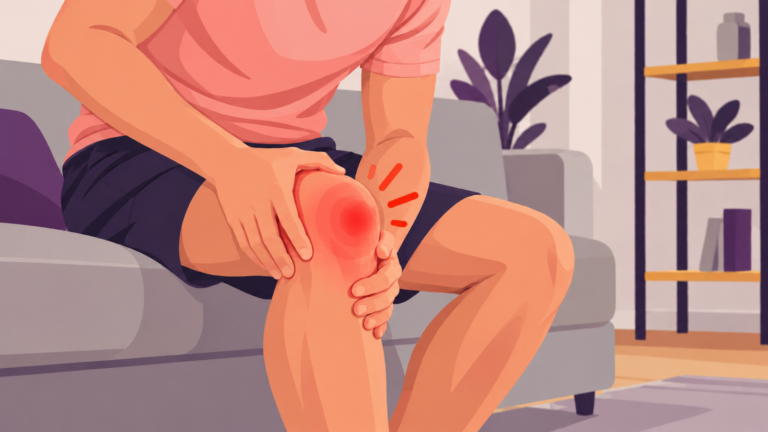
Knee caps are frequently used to reduce joint pain by compressing the soft tissues around the knee. This compression increases circulation, reduces swelling, and provides warmth to the affected area. People suffering from joint inflammation, arthritis, or post-surgical pain often find relief with a knee support brace.
For Injury Prevention and Recovery
Athletes and active individuals use knee caps to prevent ligament injuries such as ACL, MCL, and LCL tears. Knee caps help in keeping the knee stable and aligned during high-impact activities. Post-injury, they are used to protect healing tissues, prevent further damage, and support gradual mobility.
For Mobility and Stability
People with weak knees due to aging, muscle imbalances, or previous injuries may use a knee cap to improve stability. This support helps them walk, stand, or move more confidently and reduces the risk of falls or overextension.
Common Conditions Where Knee Caps Are Beneficial
1. Arthritis
For individuals with osteoarthritis or rheumatoid arthritis, knee caps help alleviate pain, reduce stiffness, and improve functional movement. Compression reduces joint stress and enhances comfort during daily tasks.
2. Ligament Injuries (ACL/MCL/LCL)
Knee caps provide mechanical support to the injured area, stabilize ligaments, and assist in safe rehabilitation. Hinged knee braces are particularly useful during the recovery period.
3. Meniscus Tear
The meniscus, a cartilage pad in the knee, can become torn during sports or heavy activity. Knee caps help by reducing pressure on the knee, allowing for healing with less pain.
4. Patellar Tendonitis and Runner’s Knee
These conditions are common among runners and athletes. A compression knee cap supports the patellar tendon, relieves pain, and helps in managing swelling and overuse symptoms.
What are the Types of Knee Caps and How to Choose One?
1. Basic Elastic Knee Support
Ideal for mild knee pain and fatigue. These are lightweight, breathable, and offer gentle compression.
2. Open Patella Knee Brace
Features a hole at the center to relieve pressure on the kneecap while stabilizing it. Good for patellar tracking issues and mild arthritis.
3. Hinged Knee Brace
Best for ligament injuries or post-surgery support, this type includes metal hinges to restrict motion and protect from hyperextension.
4. Compression Sleeves
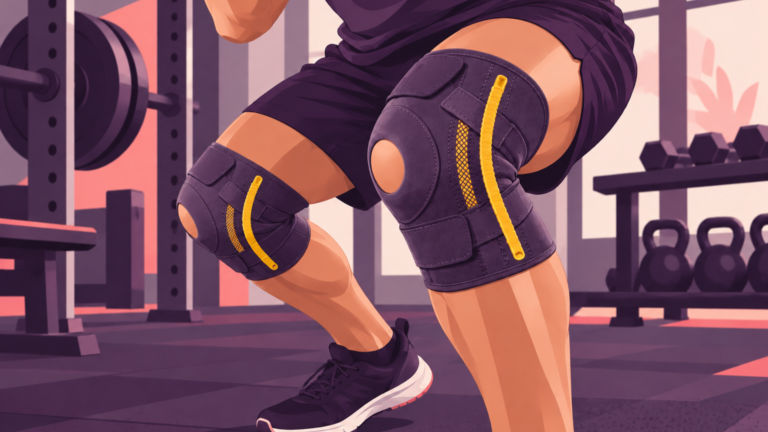
Useful for athletes and gym-goers. These sleeves enhance circulation, reduce swelling, and support performance during workouts.
5. Knee Straps
Targeted support for patellar tendonitis or jumper’s knee. These are worn below the kneecap to relieve tendon pressure.
How to Use a Knee Cap Correctly?
1. Proper Sizing and Fit
Choosing the correct size is crucial. Measure the circumference of your knee or thigh as per product instructions. A well-fitted knee cap ensures effective support without restricting blood flow.
When and How Long to Wear
Wear the knee cap during activities that strain your knee, such as walking, standing for long periods, or exercising. Avoid wearing it continuously throughout the day as it may weaken muscles over time.
How to Wear with Comfort
Choose breathable and moisture-wicking designs to prevent sweating or skin irritation. For extended wear, opt for anti-slip materials and ensure the skin beneath the cap remains clean and dry.
What are the Advantages and Disadvantages of Using Knee Caps?
Key Benefits
- Pain Relief: Compresses the area and supports healing.
- Faster Recovery: Provides rest and stability to injured parts.
- Improved Joint Stability: Reduces the chance of further injury.
Potential Drawbacks
- Muscle Weakness: Overuse may reduce muscle engagement.
- Circulation Issues: A too-tight knee cap can restrict blood flow.
When Should You Avoid Wearing a Knee Cap?
Contraindications and Precautions
Avoid wearing a knee cap if you have:
- Circulatory issues such as varicose veins or deep vein thrombosis (DVT)
- Allergies to latex or synthetic fabrics
Consultation with Doctors
If you have chronic knee issues or just underwent surgery, consult a medical professional before using a knee cap. A doctor can recommend the right type and usage schedule.
Knee Cap vs Knee Brace vs Knee Sleeve: What’s the Difference?
Definitions and Use Cases
- Knee Cap (Generic Term): Can refer to sleeves or braces.
- Knee Sleeve: Provides mild support and compression. Ideal for pain relief and minor swelling.
- Knee Brace: Offers rigid support, restricts motion. Suitable for injury recovery and post-surgical care.
Pros and Cons
- Sleeve: Comfortable, good for daily wear
- Brace: Heavy-duty support, less comfort
- Strap: Minimalist, specific for tendonitis
Choose based on your activity level, injury severity, and comfort needs.
Do Knee Caps Work for Sports and Gym?
Use in Running, Squats, and Weightlifting
Knee caps, especially compression sleeves, are helpful in:
- Preventing injuries by providing joint stability
- Reducing fatigue by supporting muscles
- Aiding performance by increasing circulation
For heavy lifting, a hinged brace may be more suitable. Runners typically benefit from light compression sleeves or patella straps.
How to Care for Your Knee Cap?
Cleaning and Storage Tips
- Handwashing is recommended to maintain elasticity
- Use mild soap and cold water
- Let it air dry completely before reuse
When to Replace
Replace your knee cap when:
- Fabric becomes loose
- Elasticity wears out
- Discomfort or slipping occurs
Final Thoughts: Are Knee Caps Worth It?
Knee caps are a valuable tool for anyone experiencing knee pain, recovering from injury, or looking for added joint support during physical activity. When chosen and used correctly, they can significantly enhance comfort, performance, and recovery. However, they should not be a permanent replacement for physiotherapy, strengthening exercises, or medical treatment when needed.
People are also reading:
- Home Remedies for Body Pain Relief Naturally
- Muscle Pain Causes
- Ergonomic Hacks for Frequent Ride-Share Drivers
- Can Your Sitting Posture Cause Hip Misalignment
- Fast, Targeted Relief: The Science Behind Pain Relief Gel
- Knee Joint Pain Causes
Frequently Asked Questions:
1. Can I wear a knee cap daily for knee pain?
Yes, but limit use to when you are active or in discomfort to avoid muscle dependency.
2. Which type of knee cap is best for arthritis?
Compression sleeves or open patella braces work best for arthritis by providing warmth and support.
3. Are there any side effects of wearing knee caps for long hours?
Yes. Overuse may cause muscle weakening or restrict blood flow if too tight.
4. How tight should a knee cap be?
It should be snug but not painful. You should be able to fit a finger under the edge comfortably.
5. Can knee caps help prevent knee injuries?
Yes. Especially during sports or heavy activity, they stabilize the joint and reduce risk.
6. Do I need a doctor’s prescription for a knee cap?
Not always, but for serious conditions or post-surgery use, a doctor’s guidance is recommended.
References
- Healthline (2024). Types of Braces to Treat Osteoarthritis Pain. Retrieved from: https://www.healthline.com/health/types-of-osteoarthritis-braces
- Holden, M. A., Murphy, M., Simkins, J., Thomas, M. J., Huckfield, L., Quicke, J. G., … & Peat, G. (2024). Knee braces for knee osteoarthritis: A scoping review and narrative synthesis of interventions in randomised controlled trials. Osteoarthritis and cartilage, 32(11), 1371-1396. https://doi.org/10.1016/j.joca.2024.08.010
- Duivenvoorden, T., Brouwer, R. W., van Raaij, T. M., Verhagen, A. P., Verhaar, J. A., & Bierma‐Zeinstra, S. M. (2015). Braces and orthoses for treating osteoarthritis of the knee. Cochrane Database of Systematic Reviews, (3). https://doi.org/10.1002/14651858.CD004020.pub3
- WebMD. (2024). Knee Braces for Osteoarthritis. Retrieved from: https://www.webmd.com/osteoarthritis/knee-braces-osteoarthritis
- Mayo Clinic. (2023). Knee pain: Symptoms and causes. Retrieved from: https://www.mayoclinic.org/diseases-conditions/knee-pain/symptoms-causes/syc-20350849
- Cleveland Clinic. (2022). Knee Pain: What It Is, Causes, Treatment & Relief. Retrieved from: https://my.clevelandclinic.org/health/symptoms/21207-knee-pain
- Healthline. (2021). 5 Best Knee Braces and How to Choose. Retrieved from: https://www.healthline.com/health/best-knee-braces