Feet Pain from Heels: Causes, Symptoms, and Effective Relief Methods
In this article
- Why Do Heels Cause Foot Pain?
- The Common Symptoms of Foot Pain in the Heel area
- Quick Relief Methods For Heel Pain
- Short Mobility Exercises for Foot Relief
- Home Remedies for Heel Pain Relief You Can Try Yourself
- Everyday Lifestyle Habits to Prevent and Reduce Foot Pain
- When to Seek Medical Help for Persistent Foot Pain ?
- Conclusion You Can Have Happy Feet Without Losing Style
- Frequently Asked Questions
- References
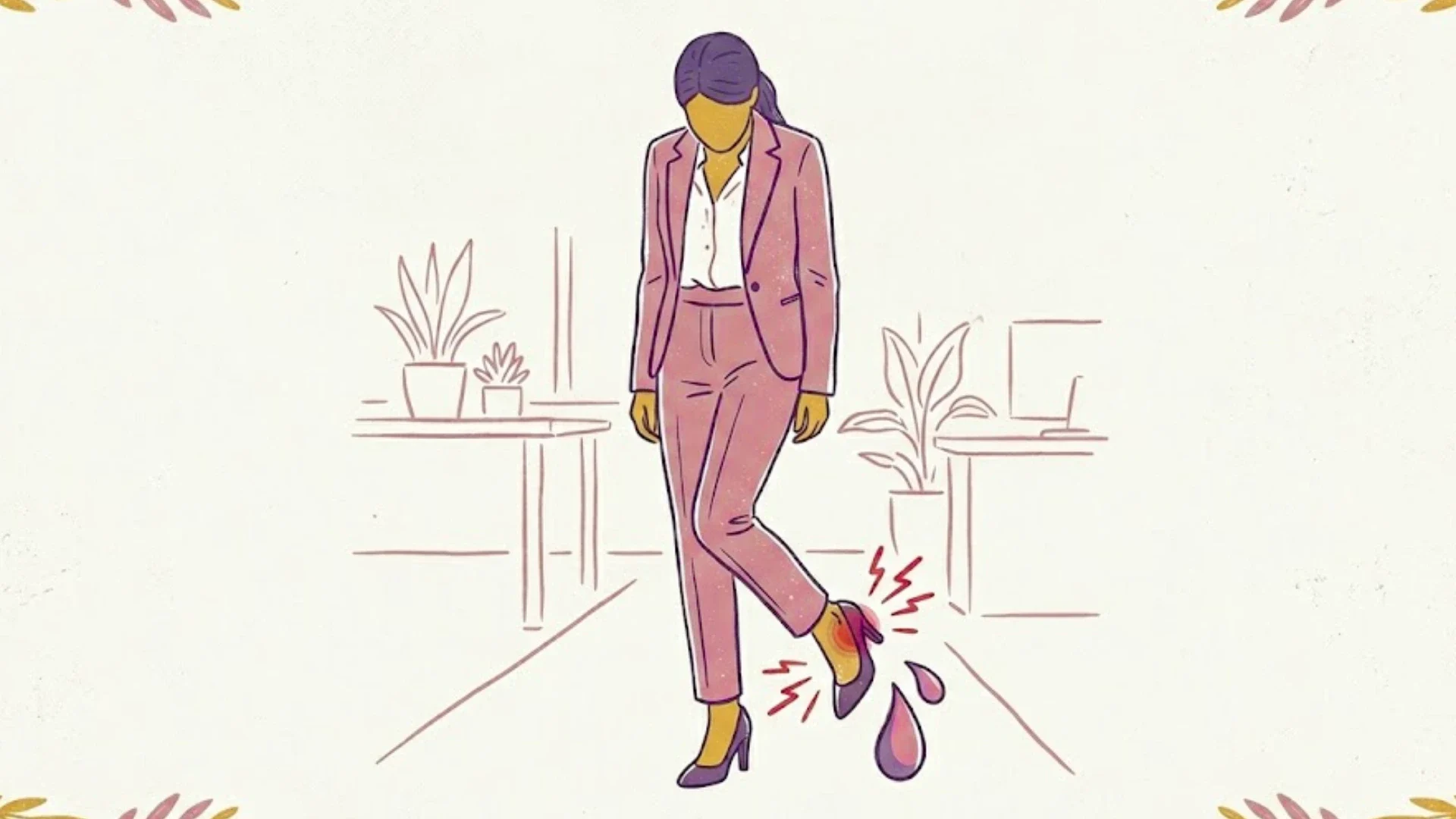
High heels: A fashion statement, confidence booster and sometimes a one-way ticket to foot pain. If you’ve ever spent a day sashaying around in heels and gone home with aching arches, sore toes or stiff calves, then you know what we speak. Heeled shoes can do all sorts of things to the body, from shifting weight in unnatural ways to the balls of the feet to tauten tendons or even alter posture.
The good news? Heel-related foot pain doesn’t have to be inevitable. With the right knowledge, stretching, footwear adjustments, and subtle support aids, you can enjoy heels without the ouch.
This article explains why heels hurt, how to spot warning signs, and practical ways to relieve pain- whether you’re at home, at work, or dancing the night away.
Why Do Heels Cause Foot Pain?
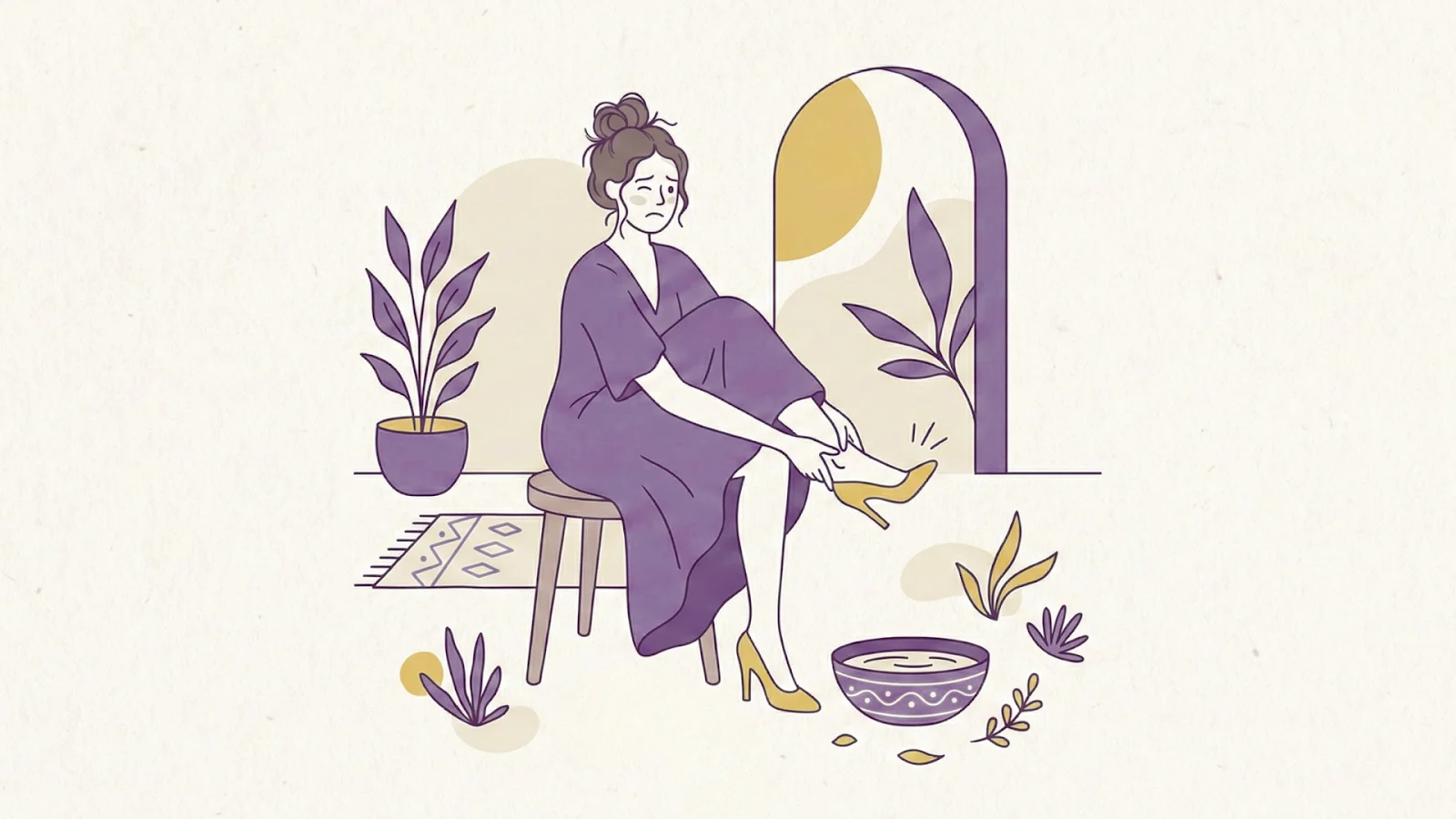
Biomechanics: How Heels Change Foot Structure?
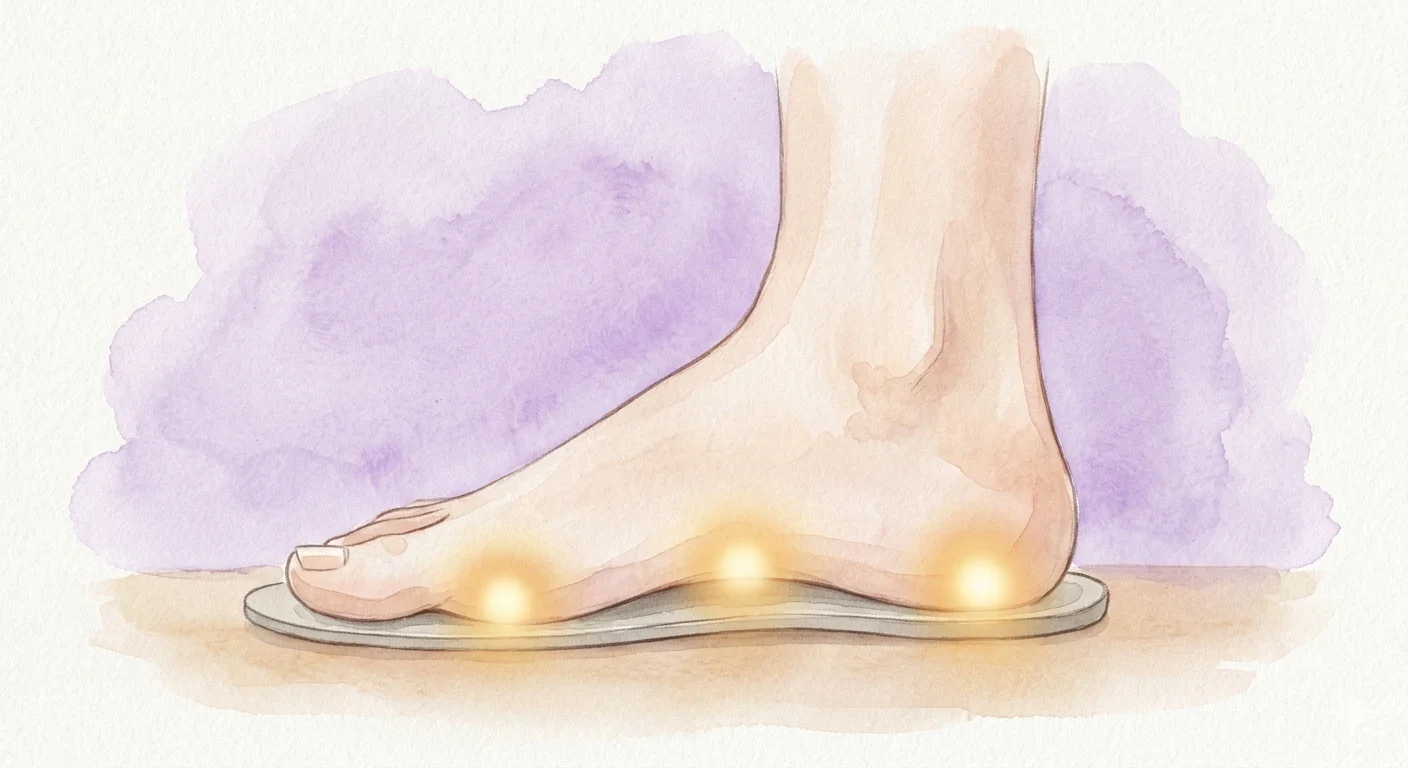
Heels pitch the foot forward, which tips your entire bodyweight forward. This applies pressure to the metatarsal bones and the ball of your foot. With time, you may experience inflammation, calluses and tiredness. Consider that as a minipermanent bridge happening all day; it’s beautiful, but your muscles and ligaments are not meant to be elongated like that for hours.
Nerve Stress & Pressure Points
High heels squash and stuff the toes and forefoot into a small pointy toe box. This can aggravate the nerves and cause conditions such as Morton’s neuroma, which results in sharp shooting pain in the ball of the foot [1]. The higher and thinner the heel, the greater pressure you will put on those fragile places.
Muscle & Tendon Strain
When you regularly wear heels, you shorten your Achilles tendon and calf muscles. Your feet are left working all day to keep your flat footwear on, which is why they feel stiff and sore, possibly leading to plantar fasciitis. [2] This can make walking in flat shoes become uncomfortable. Muscles gradually become acclimated to the shortened position and heel producing pain remains a constant problem.
The Common Symptoms of Foot Pain in the Heel area
Mild to Moderate Pain
- Pain or palpitation in the arch, toes, or heel
- Numbers or tingling in the fingers when worn for long periods
- Tender by pressing on the balls of the feet
These symptoms typically get better with rest, stretching and the right footwear. They’re your body’s way of putting up the stop sign and say: “Hey, give me a break!”
Red Flags: When It’s Serious ?
- Acute, persistent pain that doesn’t improve with rest
- Local edema, erythema or warmth
- If the pain interferes with your walking, posture or balance
- Evidence of nerve irritation or inflammation.
If you do notice these signs, that could be a symptom of something more going on like a stress fracture, tendon issue or nerve entrapment. Importance of meeting a doctor at the earliest point cannot be neglected.
Quick Relief Methods For Heel Pain
Foot Massage & Stretching Skills
Massage ball or foam roller to roll your foot on to release tension in the arch and forefoot. You can also ease stiffness and soreness by stretching your calves against a wall or using a towel to pull your toes toward you. Pressing these points 5-10 minutes after a long day in heels can save you from aches and stimulate circulation.
Ice or Heat Therapy
Ice: Reduces swelling, particularly if you’ve spent a long time standing or walking in heels. Apply for 10-15 minutes.
Heat: Loosens tight muscles and tendons, good if the soreness is more chronic than acute.
Footwear Adjustments & Support
- Opt for shoes with enough room in the toe box to mitigate nerve compression.
- betterhood foot insoles are compressed from both sides for cushioning and pressure reduction to alleviate ball of foot pain.
- Heel pads are designed to reduce impact and protect your heels from troubled repeated heel strikes.
- Switching from flats to heels (or vice versa) during the day may also help reduce strain.
Short Mobility Exercises for Foot Relief
Toe Flexes and Extensions
You are sitting on the ground, lift your toes so that only your heels are touching and then curl them downward. Repeat 10–15 times. This easy toe stretcher strengthens the muscles of your foot and improves circulation so that you will no longer experience cramps and pain after wearing high heels. Boother this while you watch TV or at your desk, and it takes less than a minute to accomplish, both easy and efficient.
Calf Raises & Heel Drops
Position yourself at the edge of a step, and where you can (ideally) reach down below the level of their step and then raise up. Repeat 10–12 times. This pose extends the Achilles tendon, tones the calves and aids in counteracting shortening due to wearing high heels for extended periods [1]. Just a few minutes a day can produce remarkable results.
Foot Roll with a Ball or Bottle
Stand on a small ball or campy water bottle and roll it from the back of your foot to the front 1–2 minutes per foot. This type of massage stretches the plantar fascia and rocks tension out of the arch, alleviating that dull post-heel pain. For added relief, let a frozen bottle do its thing on areas in need of cold therapy.
Home Remedies for Heel Pain Relief You Can Try Yourself
Warm Foot Soaks
Fill a basin with warm water and soak feet for 10–15 minutes. You can also add Epsom salts or essential oils to relax muscles and improve circulation. Hot soaks don’t have to be just about soaking soreness away: They can also soothe tired, swollen feet after a long day in heels.
Compression Socks or Sleeves
Mild compression increases circulation to help prevent blood clots and relieve swelling of the feet, ankles, below the knee. Wearing support sleeves after long periods of standing or walking can help avoid prolonged pain and improve recovery time.
Gentle Stretching at Night
Before you go to bed, give your calves and arches a gentle stretch to avoid a belly-up wake-up. For instance, pull your toes back towards your shin for 15-20 seconds on each foot. This routine increases flexibility over time and can minimize repeat discomfort from wearing heels.
Everyday Lifestyle Habits to Prevent and Reduce Foot Pain
Alternate Footwear
Don’t be in high heels all day every day. Alternate pairs of high-heeled and low-heeled shoes to alleviate pressure on the balls of your feet. Even small adjustments; commuting or walking breaks in flats or low heels add up over time.
Mind Your Step
Try to walk even and smooth. Don’t stand on tip-toe and let your arch pull to tight. Once you get used to it, conscious walking eliminates pressure points and stops chronic pain.
Incorporate Supportive Inserts
betterhood insoles or cushioned heel pads will slightly improve the comfort without changing your look. These insoles are created to absorb shock, change the weight with the appropriate amount of pressure and ensure that you don’t feel any soreness.
Strengthening Exercises
Exercising the intrinsic muscles of the foot with exercises like towel scrunches (picking up a towel with your toes) or marble pickups helps make your feet more resilient and less susceptible to pain. A little time daily can keep that nagging pain away.
When to Seek Medical Help for Persistent Foot Pain ?
Despite all of these measures, certain foot pain poses a sign of something more serious. Seek professional advice if:
- There is no relief after a week of rest and self-care
- An area becomes red, swollen or hot
- Pain is severe, stabbing or influences walking and balance
- Numbness, tingling or cramping is experienced
Early assessment helps prevent problems from becoming worse and keeps your feet strong and pain-free.
Conclusion You Can Have Happy Feet Without Losing Style
Foot pain from heels doesn’t have to be a fashion tax. So long as we can understand why they hurt, pay alert to little foot nuances and add in small mobility exercises and gentle stretches, along with some support hacks added here and there when the heels go on our feet, pain-free style is still well within reach.
Baby steps add up and make a bigger impact: change shoes frequently, stretch your calves and arches, help yourself with discreet tools such as betterhood insoles or heel pads to protect pressure points. Gradually these habits will decrease your pain and strengthen your feet, and then heels will be an adornment rather than a terror. Because happy feet = happy day!
Explore More Health & Wellness Solutions:
Would you like to be up-to-date on everyday health and wellness issues? Here are some interesting pieces to help you. Follow the links below if you want practical tips or solutions:
- What Causes Back Pain? Understanding Root Triggers & Prevention Tips
- 10 Effective Home Remedies for Body Pain Relief Naturally
- Wrist Support Braces Explained: Protocols for Pain Relief
- Pillow for Neck Pain: Best Contour Pillow Every Side Sleeper Needs
Frequently Asked Questions
Anywhere from 1-3 days based on how intense, type of shoes and recovery.
“It’s okay to wear something occasional, but you want to switch out shoes and use support inserts for longevity.”
3. Should I ice or heat my feet from wearing heels?
Ice can help if there is swelling or acute pain; heat is better for chronic stiffness and muscle relaxation.
Absolutely. Even just 5–10 minutes of stretching, toe flexes and kettlebell foot rolls sungrous daily can help maintain flexibility, increase circulation and reduce pain.
If you still have pain or it gets worse or you develop swelling, numbness, or difficulty walking, reach out to a doctor.
References
- High heels squash and stuff the toes and forefoot into a small pointy toe box. This can aggravate the nerves and cause conditions such as Morton’s neuroma, which results in sharp shooting pain in the ball of the foot”**
Summers, A. (2010). Diagnosis and treatment of Morton neuroma. Emergency Nurse, 18(7),https://www.mayoclinic.org/diseases-conditions/mortons-neuroma/symptoms-causes/syc - Csapo, R., Maganaris, C. N., Seynnes, O. R., & Narici, M. V. (2010). On muscle, tendon and high heels. Journal of Experimental Biology, https://journals.biologists.com/jeb/article/213/15/2582/9708/On-muscle-tendon-and-high-heels
- Wearing, S. C., Hennig, E. M., & Ounpuu, S. (2006). The effect of high-heeled shoes on gait and posture: a review. Gait & Posture, 24(2), 208–213. https://doi.org/10.1016/j.gaitpost.2005.12.002
- Barnish, M. S., & Barnish, J. (2016). High-heeled shoes and musculoskeletal injury: a review. BMJ Open, 6(1), e010053. https://doi.org/10.1136/bmjopen-2015-010053
- Buldt, A. K., Allan, J. J., Landorf, K. B., & Menz, H. B. (2018). Foot posture and plantar pressure distribution: Implications for high-heeled footwear. Journal of Foot and Ankle Research, 11(1), 50.https://pubmed.ncbi.nlm.nih.gov/29573666/
- Kinematic and Kinetic Analysis of Walking with High Heel Shoes for Young Female.Academia.edu. https://www.academia.edu/18059148/Kinematic_and_Kinetic_Analysis_of_Walking_with_High_Heel_Shoes_for_Young_Female