• 10% off orders above ₹2,999 with code betterhood10
  • 🚀 Express Pan-India Delivery in 2–4 Days
  • Physio-Trusted Pain Care
  • 🎁 Guaranteed FREE GIFT at Checkout
  • Certified By The Indian Association Of Physiotherapist
  • 🛍️ Buy 3 Get 1 FREE - Sitewide

Shayamal Vallabhjee

Pain as a Boundary Problem, Not a Strength Problem

by | Feb 14, 2026 | Uncategorized

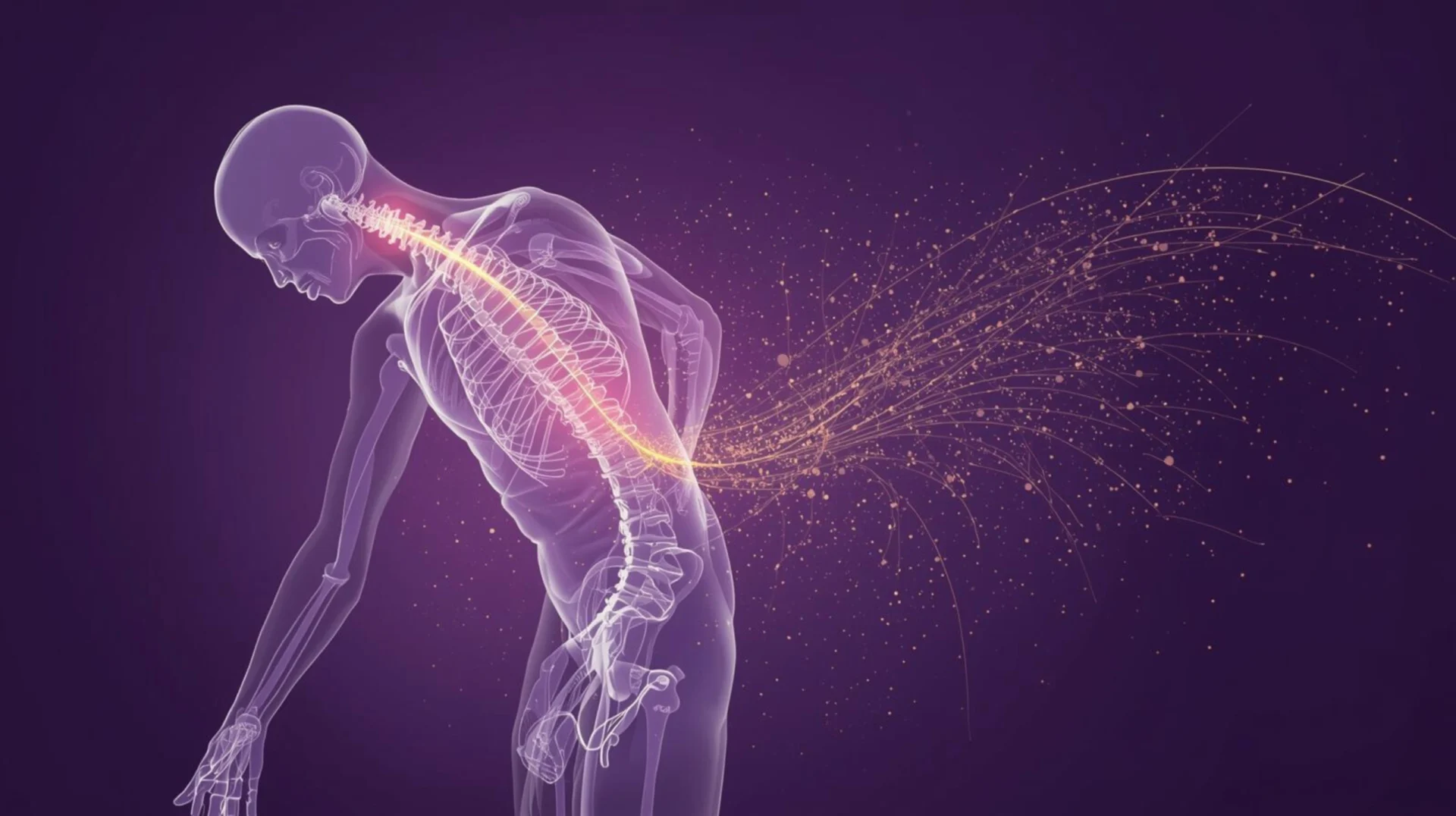
Pain is often interpreted as a failure of strength. It is commonly attributed to weak muscles, poor conditioning, or insufficient resilience, and the solution offered is usually to train harder, push further, and tolerate more. However, pain does not always arise from a lack of capability. In many situations, it emerges when the body has…
The Cost of Efficiency: How Comfort Is Quietly Weakening Us

by | Feb 12, 2026 | Articles

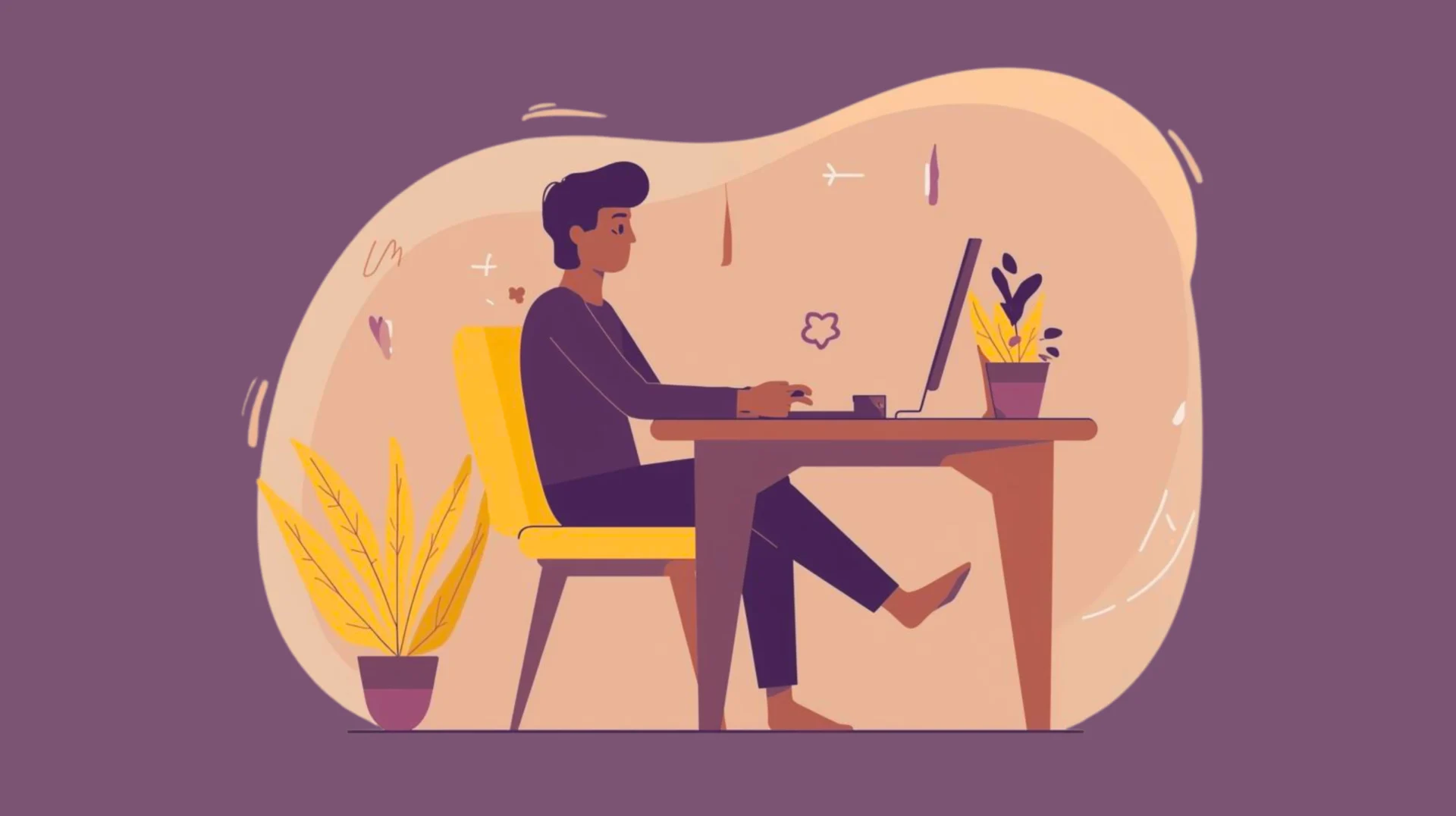
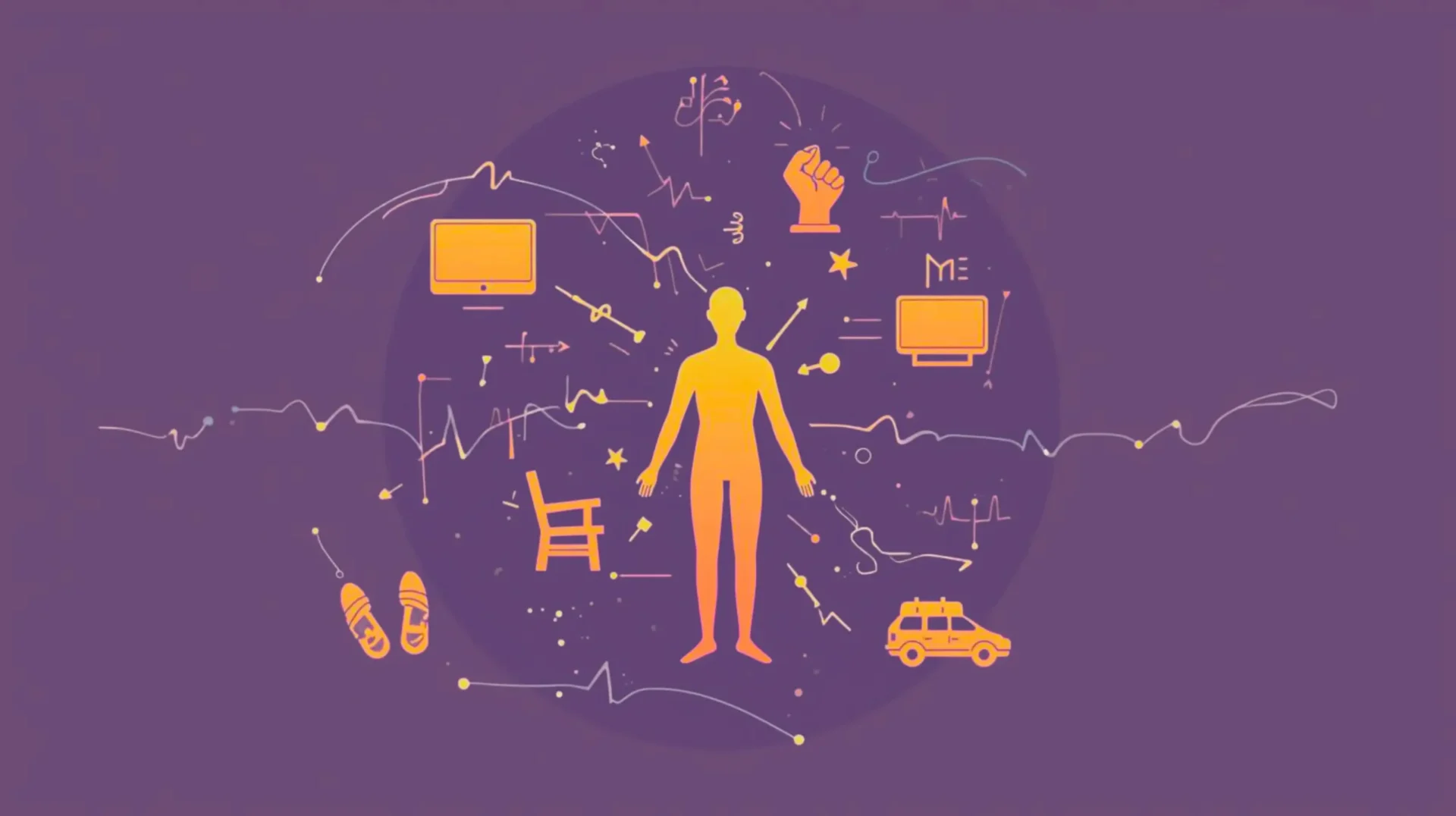
Efficiency has become the modern ideal. We optimize for speed, remove friction and design environments that demand less effort from the body – softer chairs, supportive shoes, automated transport, and screens that bring the world to our fingertips. On the surface, this looks like progress. Less strain. Less fatigue. More convenience. But beneath that convenience…

When the Body Loses Its Vocabulary for Movement

by | Feb 5, 2026 | Articles

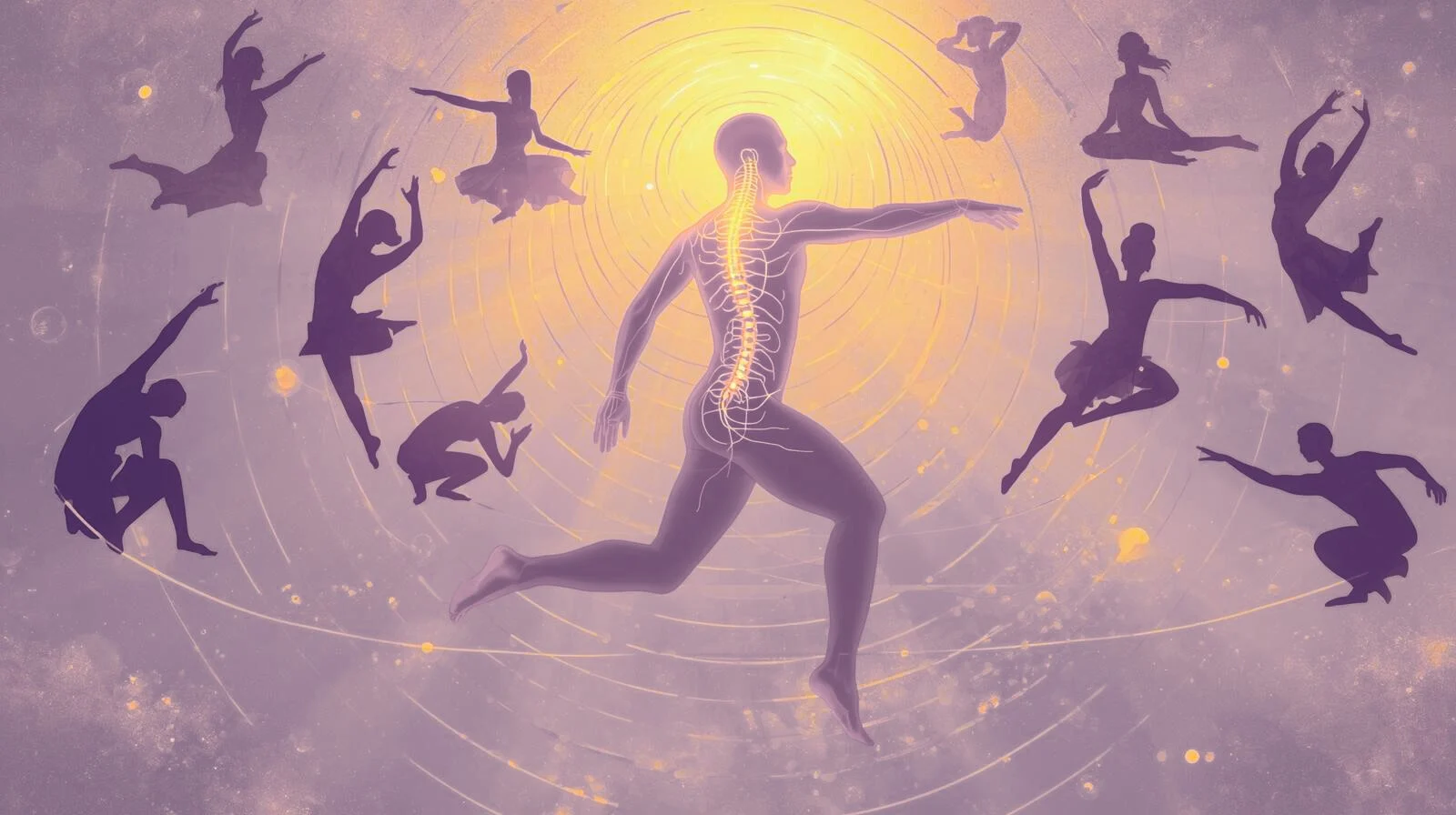
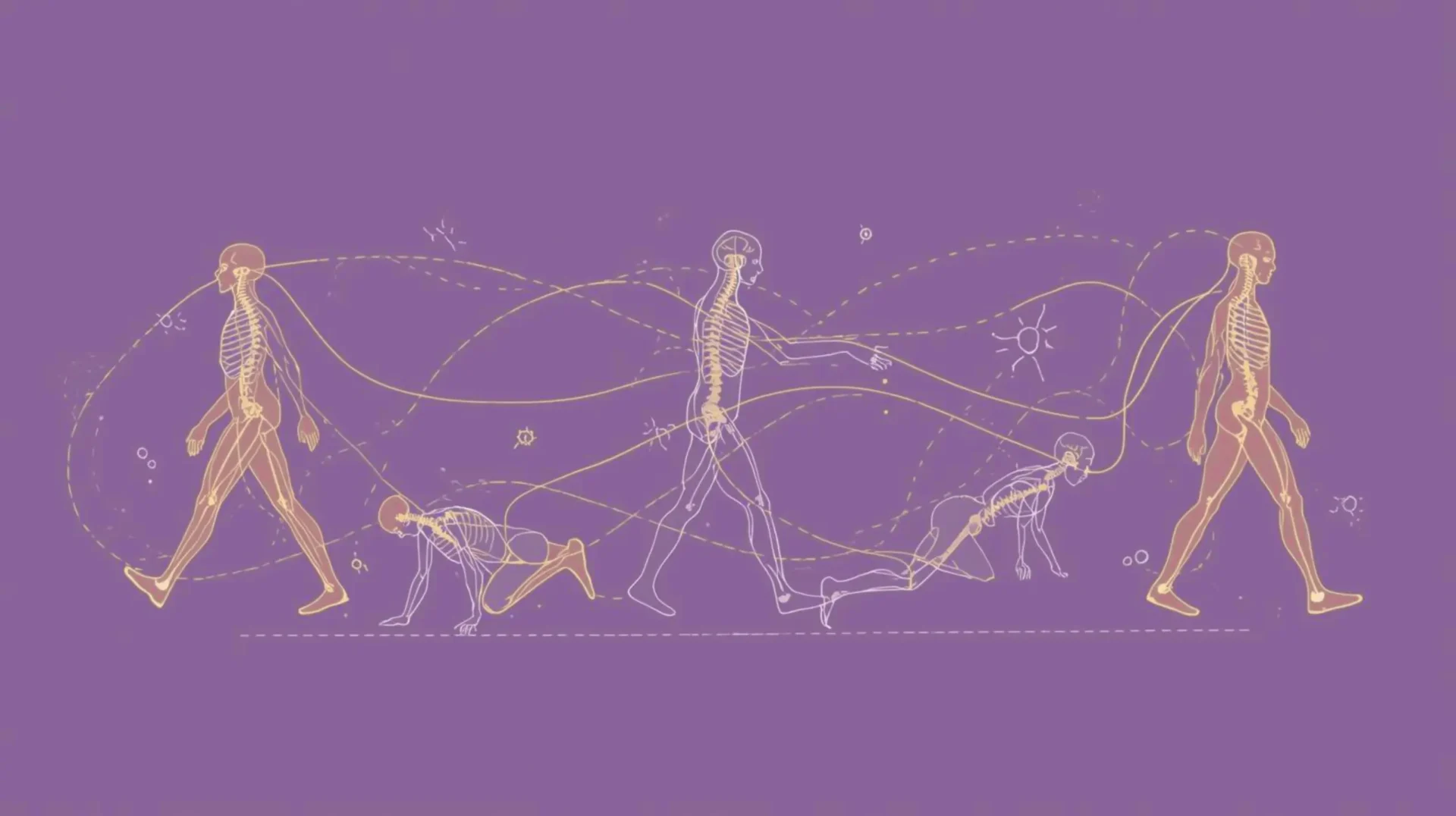
For most of human history, movement was not exercise. It was language. We squatted to rest. Reached to gather. Rotated to look, climb, throw, carry, and connect. The body spoke constantly through motion to the nervous system about capability, adaptability, and safety. Modern life has quietly reduced that vocabulary. We sit, scroll and repeat narrow…

The Recovery Gap: Why the Body Heals Slower Than Life Moves

by | Jan 27, 2026 | Articles

Modern life moves fast. Deadlines overlap, notifications never stop, and productivity is praised more than restoration. We move from stress to stress with barely a pause and expect the body to keep up quietly. But biology doesn’t work on calendar time. It works on repair time. The growing mismatch between how fast life moves and…

Pain Is Not in the Tissue – It’s in the Prediction

by | Jan 22, 2026 | Articles

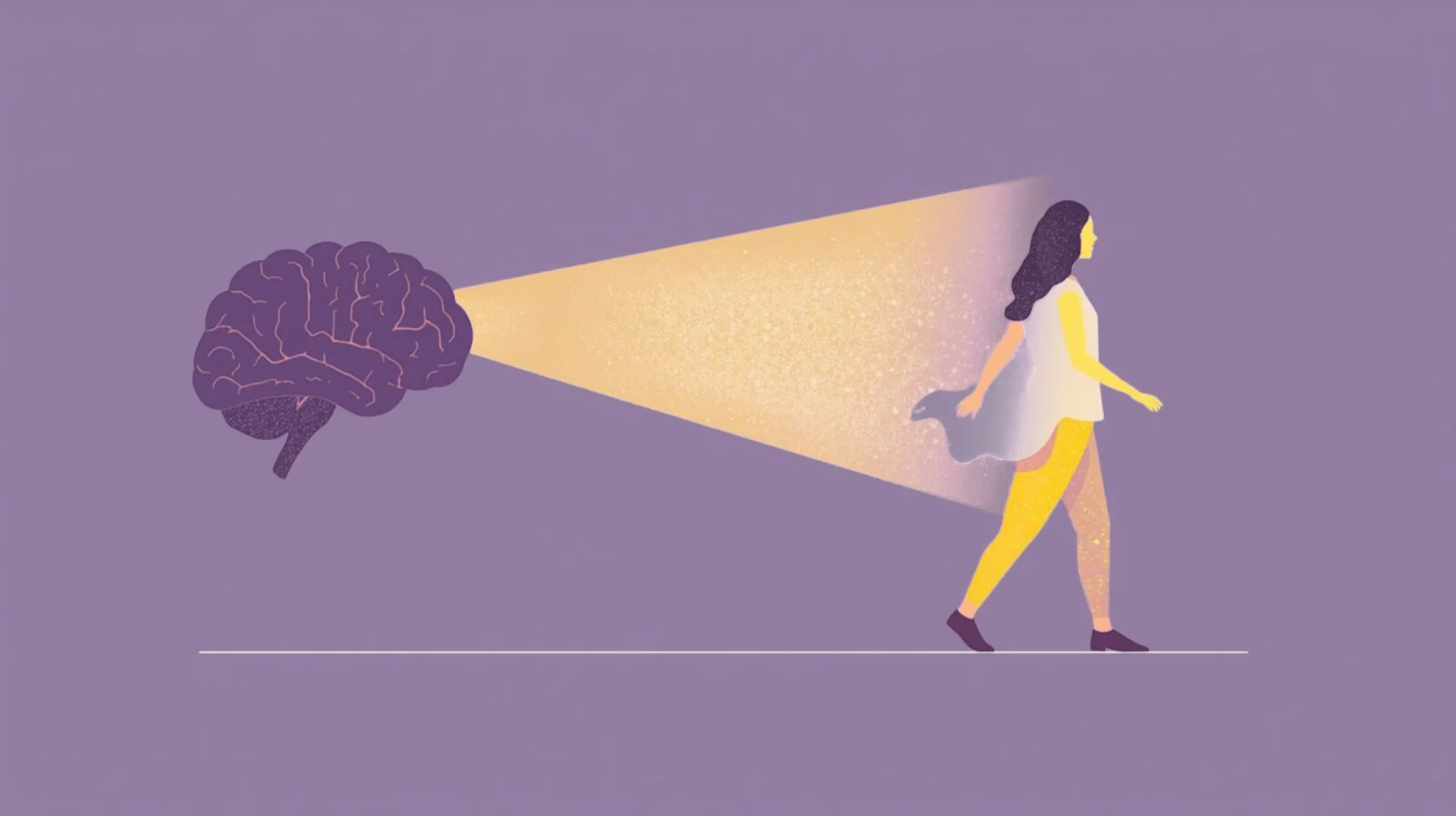
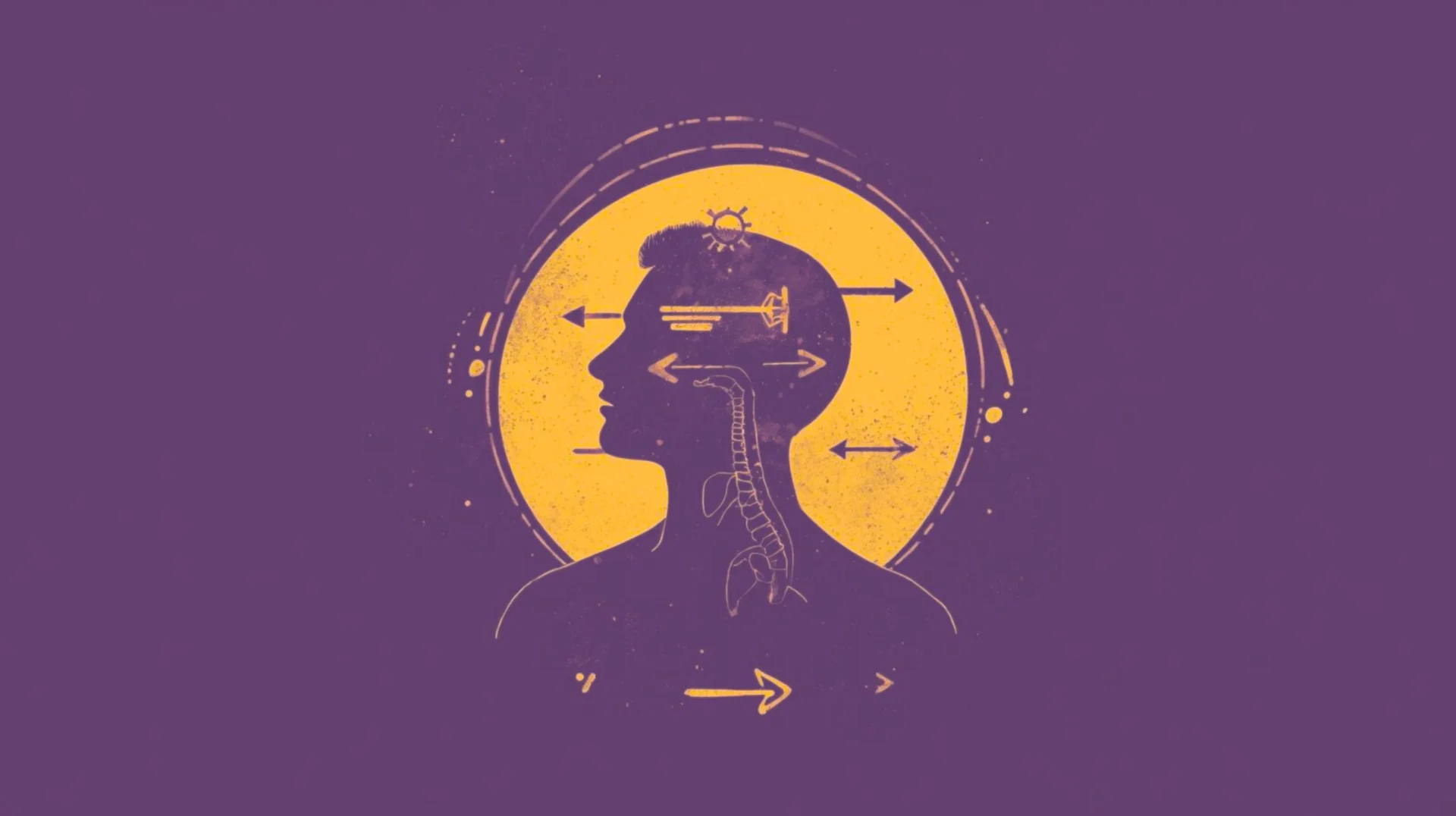
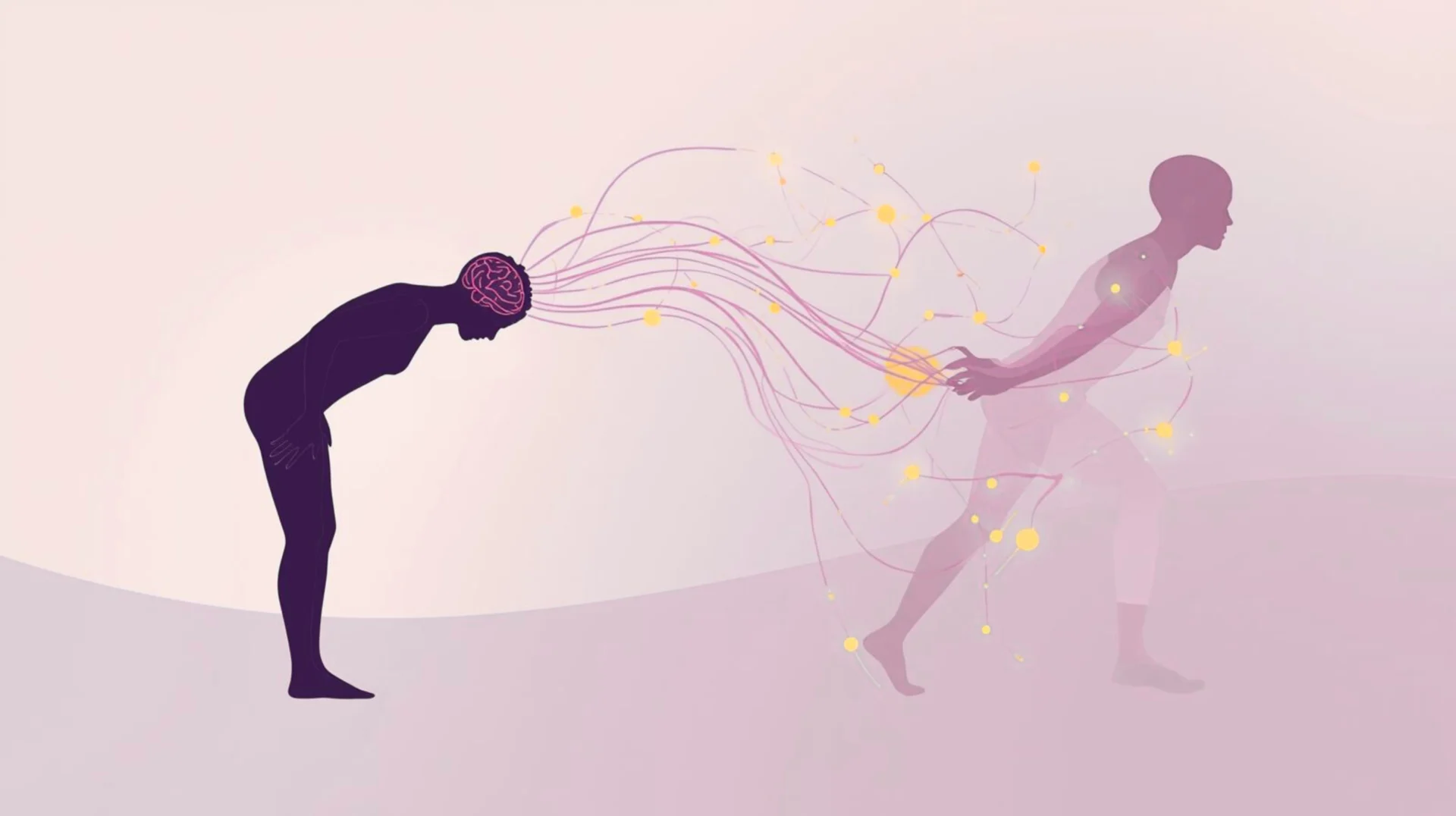
Modern medicine has taught us to look for pain in damaged parts. A torn muscle. A bulging disc. An inflamed joint. We point to scans, name the tissue, and assume the pain lives there. But pain doesn’t actually work that way. Pain is not a direct readout of tissue damage. Pain is a decision. [1]…

Ancient Motion for Modern Madness

by | Jan 19, 2026 | Articles

Modern life rewards efficiency. We minimize effort, streamline movement, and reduce physical expression to what is strictly necessary. We sit longer, breathe shallower, and move in straight lines from chair to car to screen. Over time, stillness becomes normal, and restlessness, anxiety, and fatigue are treated as personal failures rather than biological signals. But the…

Resilience Has a Backbone

by | Jan 14, 2026 | Articles

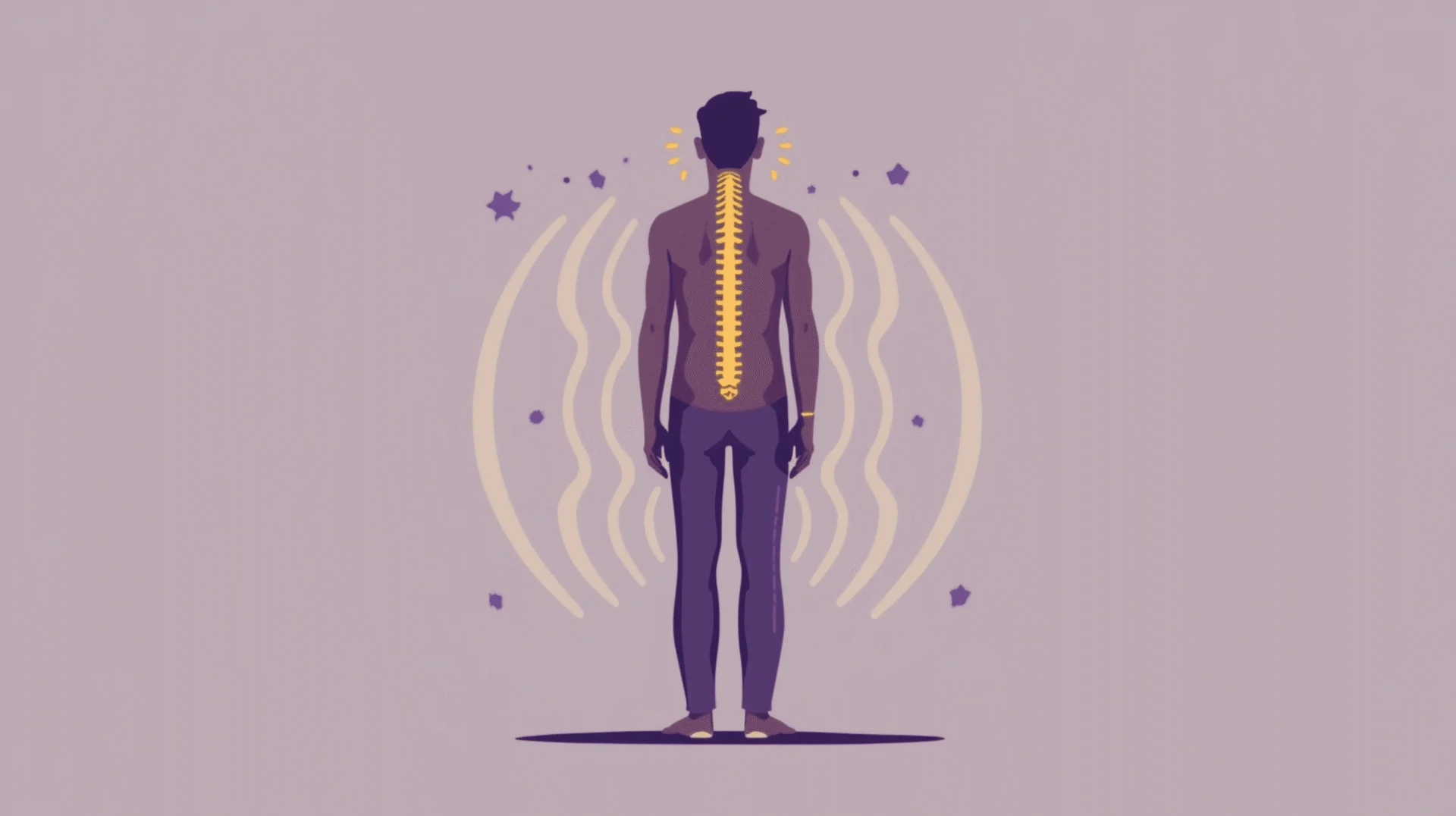
Modern life rewards efficiency. We sit longer, move less, and ask our bodies to adapt quietly to hours of screens, stress, and static posture. Over time, we normalize slumping, stiffness, and low-grade discomfort as part of adulthood. But the body keeps score, especially the spine. Resilience, both physical and emotional, quite literally has a backbone.…

The Movement Buffet: Why Variety Builds Longevity

by | Jan 7, 2026 | Articles

Modern life rewards efficiency. We sit in the same postures, walk the same routes, train the same muscles, and repeat the same movements day after day. While routine may feel productive, the human body doesn’t thrive on repetition alone. It thrives on variety. Longevity isn’t just about how long you live, it’s about how well…

Small Moves, Big Shifts: The Hidden Power of Micro-Movement

by | Jan 3, 2026 | Articles

In 2018, a group of neuroscientists studying workplace stress noticed something curious. During long cognitive tasks, participants who were allowed to move naturally shifting their weight, tapping their feet, rolling their shoulders, maintained focus longer than those instructed to sit completely still.[1] The “still” group followed the rules. They sat upright, hands quiet, bodies controlled.And…