What to Wear for Physical Therapy

In this article
- Why What You Wear to PT Is Important
- What to Wear to Physical Therapy: The Best Clothing
- Clothes Offering Easy Access to the Affected Area
- Supportive Athletic Shoes
- What Not To Wear To Physical Therapy
- What to Wear Depending on the Type of Physical Therapy
- Other Items You Should Take Along to Your Physical Therapy Appointment
- How to Pick the Best Physical Therapy Clothes
- Conclusion
- References
Because it usually follows injury, operation or chronic pain, physical therapy is a crucial part of getting better. Whether you’re visiting a therapist for a sports injury, back pain or post-surgery rehab, what you wear to physical therapy can have an important impact on how effective your treatment is.
The right clothing enables you to move freely, allows your therapist to have a good look at the sore area and means that you don’t get uncomfortable doing exercises. Conversely, the right outfit, loose-fitting breathable clothes and proper footwear makes movement easier and leads to a quicker recovery.
In this complete guide, we explain what to wear to physical therapy and what not to wear, as well as how to select the most comfortable outfit for your therapy sessions.
Why What You Wear to PT Is Important
Dressing properly is an often-ignored and underestimated thing in therapy sessions. But therapists do a lot of exercises, stretches and movement tests that demand flexibility and accessibility.
Here are the key reasons your outfit is important.
Comfort During Movement and Exercises
Physical therapy appointments typically include exercises, stretching, walking, bending and strength training. Hence, you need to wear something comfy and stretchable so that you can move your body without any restriction.
Clothes that are tight or stiff can also make doing exercises uncomfortable and limit your range of motion. New clothes should allow you to concentrate on your recovery rather than fussing over what outfit you’re wearing.
Enabling Therapists to Easily Identify Injuries
Physical therapists often need to see how your joints and muscles move. If the injured area has restrictive or bulky clothing covering it, they may not be able to assess swelling, alignment, or movement patterns.
For example:
- Shorts help therapy assess knee injuries
- Shoulders are considered for movement when using sleeveless shirts
- Flexible pants makes it easier to follow the hips or back movement
This visibility allows therapists to build a more informed treatment plan.
Preventing Irritation or Restricted Movement
Certain materials and types of clothing may irritate with repeating movements. For instance:
- Coarse edges can chafe sensitive areas
- Tight waistbands may restrict bending
- Cool temperatures are usually known as the best practice when having a good sleep Heavy fabrics tend to trap heat and lead to discomfort
Selecting soft, breathable fabrics allows for the prevention of skin irritation and discomfort in treatments.
Improving Therapy Effectiveness
Appropriately dressed for work, therapists and are better able to perform treatments such as:
- Massage therapy
- Manual joint mobilization
- Muscle activation exercises
- Stretching routines
If the area that is injured cannot be accessed because of clothing, then therapists will not effectively administer some techniques. recovery products that support therapy.They make sure your therapy meeting is productive and timesaving.
What to Wear to Physical Therapy: The Best Clothing
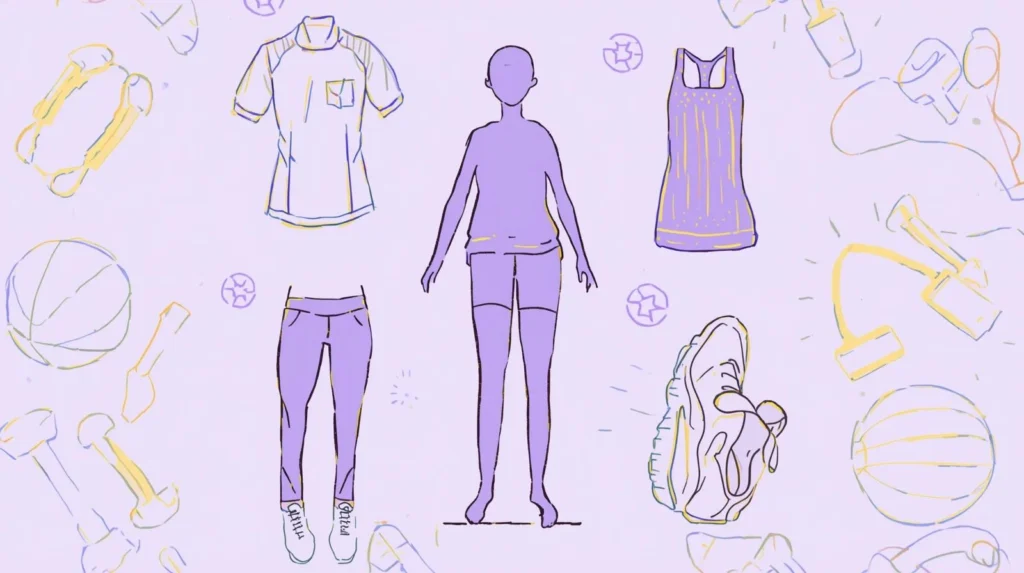
The top physical therapy getups are comfortable, flexible and supportive. This should allow for easy movement as well as help therapists get to the injured area more easily.
The most highly recommended clothing items are detailed below.
Comfortable, Stretchable Clothing
When selecting therapy attire, comfort is the key concern. Elastic athletic wear lets you do exercises without being limited.
Athletic Shorts
Many therapy sessions were done in athletic shorts because:
- Allow full range of motion
- Provide ventilation
- Allow therapists access knees and hips
They are especially good if you are in leg or knee therapy.
Leggings or Yoga Pants
They’re leggings or yoga pants that are great because they:
- Flexible
- Lightweight
- Comfortable for stretching exercises
They let therapists watch muscle movement while still giving coverage.
Loose Athletic Shirts
Loose-fitting T-shirts or workout tops permit flexibility during movements like arm raises, stretches and shoulder rotations.
Opt for shirts that are made out of breathable material and a temperature regulating design during workouts.
Moisture-Wicking Fabrics
Moisture-wicking fabrics draw sweat from your skin and keep you dry while exercising.
These fabrics are used in athletic clothing and enhance the comfort level when one sits for an extended term during therapy sessions. [2] [6]
Clothes Offering Easy Access to the Affected Area
Accessibility is one of the top reasons why you should opt for physical therapy clothing.
Your therapist may need to implement treatments like ultrasound therapy, manual therapy or electrical stimulation. Treatments are easier with clothing above or below the affected area.
Shorts for Treatment of the Knee, Hip, or Leg
Shorts enable therapists to assess joints and muscles in the legs. They are prescribed for disorders like:
- Knee injuries
- Hip pain
- Hamstring strain
- Quadriceps injury
This outfit also allows therapists to assess gait patterns and swelling.
Shoulder Therapy for Sleeveless or Loose Shirts
If you are undergoing therapy for shoulder or upper back pain, shirts without sleeves or loose T-shirts and sweaters would be the best choice.
These let therapists see shoulder blade movement and apply treatments without having to arrange clothing.
Tank tops for upper body injuries
Tank tops are often advised for therapy related to:
- Shoulder injuries
- Neck tension
- Rotator cuff rehabilitation
They allow straightforward access to the shoulder joint and adjacent muscles.[1] [4]
Supportive Athletic Shoes
If you’re doing walking or balance work, though, footwear is just as important in physical therapy sessions.
Closed-Toe Sneakers
Closed-toed sneakers protect your feet and offer support during therapy exercises.
They are particularly important for activities like:
- Walking drills
- Balance training
- Strength exercises
- Proper Arch Support
Correct foot alignment is helped by shoes with proper arch support. This alleviates stress on the knees, hips, and lower back throughout exercises.
Non-Slip Soles
The soles are not slippery and help to avoid slip ( movements especially on the floors of clinics).
Stable footwear lets therapists safely navigate you through exercises.[3] [7]
What Not To Wear To Physical Therapy
Equally as important as the appropriate choice of clothing is not wearing something that might impede therapy.
Here are a few things you need to avoid.
Tight or Restrictive Clothing
Wearing restrictive clothing can hinder your freedom of movement, and also make exercises done in therapy uncomfortable.
Jeans
The denim fabric that jeans are made out of is stiff and does not allow you to move freely and stretch.
They strain joint movement, making it difficult for therapists to observe.
Tight Skirts or Dresses
You should not wear skirts or dresses to therapy sessions because they:
- Restrict movement
- Limit stretching exercises
- Make difficulty of strengthening activities
Athleisure (i.e, comfortable athletic wear that can double as pajamas) is a much better option.
Uncomfortable Footwear
Having the wrong footwear not only puts you at a higher risk for injury, but it also makes exercises much harder to achieve.
Sandals
During therapy sessions sandals are not acceptable, as they do not offer the necessary support to your feet nor protection.
Flip-Flops
Flops that flop can flip-flop, slip or fall.
High Heels
Wearing high heels shifts your body weight forward, stressing the knees and lower back.
They are not suitable for therapeutic settings.
Excess Jewelry or Accessories
Jewelry can get in the way of therapy exercises or injure clients.
Long Necklaces
Long necklaces can Catch, During exercises, therapy Equipment.
Large Bracelets or Watches
Such items can limit wrist mobility and disrupt treatments.
As such, we recommend taking off jewelry before your session.
What to Wear Depending on the Type of Physical Therapy
Different types of injuries result in different therapy exercises. Wearing the right clothes according to your injury type can help you make your session comfortable and effective.
What to wear during knee or leg therapy
Upper body therapy requires clothes that can be easily removed to access the upper form, while lower body treatment clothing for the legs should facilitate easy removal of pantlegs.
Recommended clothing includes:
- Athletic shorts
- Stretchable leggings
- Running or training shoes
This enables therapists to assess how your knees and hips move throughout exercises.[5]
What to Wear for Back Therapy
Bending, stretching and strengthening exercises are common in back therapy.
- Ideal clothing includes:
- Flexible athletic pants
- Loose T-shirts
- Supportive sneakers
These provide comfort, freedom of movement.
What to Wear for Shoulder or Arm Injury Rehabilitation
For upper body therapy, the clothing needs to be exposing the shoulder area.
Recommended options include:
- Tank tops
- Sleeveless workout shirts
- Loose T-shirts
This will help the therapists assess shoulder movement and implement treatment properly.
Other Items You Should Take Along to Your Physical Therapy Appointment
Therapy is basically for ensuring that you retain external ease, so alongside wearing something to quit slouching!, there are other things too.
Water Bottle
Hydration is key while exercising.
Small Towel
Towels can be used during workouts to wipe sweat.
Therapy Documents or Referrals
Take any documents, prescriptions or referrals needed for your treatment.
Resistance Bands (If Instructed)
Some therapists request that patients bring their own resistance bands for particular exercises.[8] [9]
How to Pick the Best Physical Therapy Clothes
So here are some practical tips on how to dress well for your therapy sessions.
Choose Breathable Fabrics
To prevent overheating during a workout, fabrics that can transfer moisture away from the body and vent excess heat are crucial.
Dress in Layers
Therapy clinics can be all different temperatures dressed in layers so you can add or remove pieces as necessary.
Steer Clear of Clothing That Conceals the Wounded Area
“Have them be able to see and access the injured area well.
Prioritize Comfort Over Style
You want to recover, not get a fashion job. Wear funeral clothing that allows you to move around freely.
Conclusion
The right clothes for physical therapy can change your recovery experience. Loose-fitting, stretchable clothes that allow mobility and shoes with good arch support also help keep you stable during exercises.
Important elements of therapy clothes are:
- Comfort
- Mobility
- Accessibility for treatment
- Safety during exercises
Wearing the right clothing and bringing some supplies can go a long way towards making sure your physical therapy visits are productive, comfortable, and effective.
Frequently Asked Questions
Yes. Leggings are comfortable and flexible, so a good choice for most therapy exercises.
Therefore, shorts are better for knee, hip or leg therapy because of the superior access to the injured zone.
You won’t need special shoes, but they recommend supportive athletic sneakers with good grip.
You are, but not in jeans they constrict your range of motion and make movement-based exercises uncomfortable.
Yes, although it’s a good idea to take the mask off during exercises if it hinders movement.
It’s not usually necessary, but a spare shirt can be useful if you sweat during therapy.
They can support muscles, but not restrict movement.
Lifting weights, for example, can cause discomfort or injury when jewelry is left on.
No. Sandals do not offer good support and can increase the risk of your slipping.
Yes. Give layers a go to adapt with the temperature, this applies quite fairly during your entire session.
References
- American Physical Therapy Association. (n.d.). ChoosePT – Physical Therapy Health Information. https://www.choosept.com
- Cleveland Clinic. (n.d.). Health Library and Medical Information. https://my.clevelandclinic.org
- Healthline. (n.d.). Healthline – Medical and Wellness Information. https://www.healthline.com
- Johns Hopkins Medicine. (n.d.). Health Information and Patient Care Resources. https://www.hopkinsmedicine.org
- Mayo Clinic. (n.d.). Patient Care and Health Information. https://www.mayoclinic.org
- National Institutes of Health / PubMed. (n.d.). Biomedical Research Database. https://www.ncbi.nlm.nih.gov
- OrthoBullets. (n.d.). Orthopedic Education and Clinical References. https://www.orthobullets.com
- Sports Injury Clinic. (n.d.). Sports Injury Treatment and Rehabilitation Information. https://www.sportsinjuryclinic.net
- WebMD. (n.d.). Medical Conditions and Health Guides. https://www.webmd.com


