What Are the Top Reasons, Symptoms and Treatments for Wrist Pain?

In this article
- Anatomy of the Wrist
- Types of Wrist Pain (Sharp, Dull, Throbbing, Chronic)
- What Are the Common Reasons for Wrist Pain?
- Less Common or Underlying Medical Conditions
- Symptoms That May Accompany Wrist Pain
- Diagnosing the Cause of Wrist Pain
- Treatment Options for Wrist Pain
- Preventing Wrist Pain
- When Should You See a Doctor for Wrist Pain?
- Managing Chronic Wrist Pain Long-Term
- Conclusion
Wrist pain refers to any discomfort or soreness in the wrist joint, which serves as a vital connection between the hand and forearm. This small yet complex structure is essential for countless daily tasks like typing on a keyboard, cooking, driving, playing sports, or even lifting a cup of tea. Because the wrist is composed of eight tiny carpal bones, supported by ligaments, tendons, muscles, and traversed by important nerves, it is highly vulnerable to strain, injury, and medical conditions. Even minor issues can interfere with mobility and significantly impact quality of life.
The causes of wrist pain are varied and often multifactorial. While some cases stem from sudden injuries such as falls or sprains, others develop gradually due to repetitive movements, poor ergonomics, or long-term health conditions like arthritis, gout, or carpal tunnel syndrome [1]. Symptoms can range from sharp, acute pain to dull, persistent aches, tingling, swelling, or even reduced grip strength. Because these signs overlap across many conditions, pinpointing the exact cause often requires careful medical evaluation.
Understanding the anatomy of the wrist, the different types of pain, and the potential underlying causes is the first step toward effective management. With proper diagnosis and timely treatment, whether through home remedies, physiotherapy, medication, or surgery, most cases can be managed successfully. Additionally, preventive strategies such as ergonomic adjustments, regular stretching, and protective gear during sports can help reduce the risk of recurrence. This article explores the anatomy of the wrist, common causes of wrist pain, associated symptoms, diagnostic methods, treatment options, and preventive practices to promote long-term joint health.
Anatomy of the Wrist
The wrist is a complex joint consisting of the distal ends of the radius and ulna (forearm bones) and eight carpal bones arranged in two rows. It allows motion in multiple directions and facilitates everyday tasks such as writing, lifting, and gripping. Tendons and ligaments support these bones, and the median nerve passes through the carpal tunnel in the wrist.
Types of Wrist Pain (Sharp, Dull, Throbbing, Chronic)
Wrist pain may manifest in different forms:
- Sharp pain: Often linked to acute injuries like fractures.
- Dull ache: Common in repetitive strain or arthritis.
- Throbbing pain: May indicate inflammation or infection.
- Chronic pain: Usually results from long-term conditions like carpal tunnel syndrome or arthritis.
What Are the Common Reasons for Wrist Pain?
1. Repetitive Strain Injury (RSI)
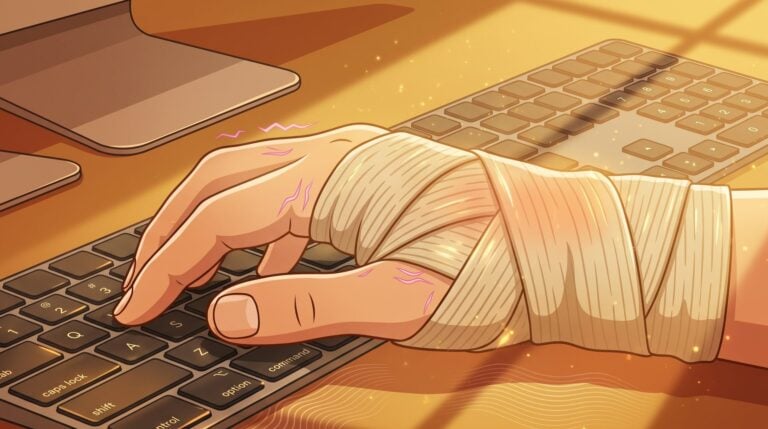
Repetitive movements, such as typing or using a mouse, can cause micro-tears in the tendons, leading to inflammation and pain [2]. RSI is prevalent in office workers, gamers, and musicians.
2. Carpal Tunnel Syndrome
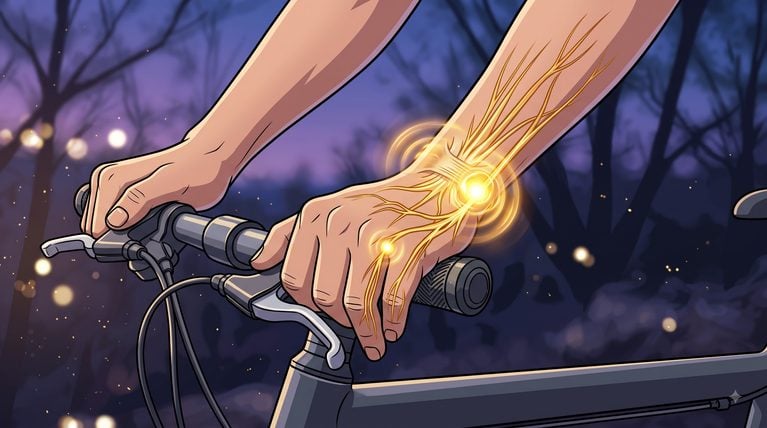
This condition occurs when the median nerve is compressed within the carpal tunnel. Symptoms include pain, tingling, and numbness in the thumb, index, and middle fingers. Prolonged computer use is a common trigger.
3. Wrist Tendonitis
Tendonitis involves inflammation of the wrist tendons due to overuse or sudden strain. It results in localized pain, swelling, and restricted movement.
4. Arthritis (Osteoarthritis vs Rheumatoid Arthritis)
- Osteoarthritis: Degenerative joint disease that wears down cartilage.
- Rheumatoid arthritis: An autoimmune disorder that causes inflammation in the joints, including the wrists.
5. Wrist Sprain or Fracture
Sprains involve stretched or torn ligaments, while fractures refer to broken bones. These usually occur due to falls or direct impact and cause immediate pain, swelling, and bruising.
6. Ganglion Cysts
These are fluid-filled lumps that develop on the wrist. While often harmless, they can press on nerves and cause pain or limit mobility [3].
7. Nerve Compression or Pinched Nerve
Besides carpal tunnel syndrome, other nerves in the wrist or forearm may be compressed, leading to radiating pain or weakness.
8. Gout or Pseudogout
These conditions involve the buildup of uric acid (gout) or calcium crystals (pseudogout) in joints, causing sudden and severe pain.
9. Overuse from Sports or Physical Activity
Athletes in sports like tennis, gymnastics, and weightlifting are prone to wrist injuries due to repetitive motion and strain.
10. Poor Ergonomics (e.g., typing or mouse use)
Improper hand positioning or prolonged use of poorly designed workstations can lead to chronic wrist stress.
11. Hormonal Changes (e.g., during pregnancy)
Pregnancy can lead to fluid retention, increasing pressure on the median nerve and triggering carpal tunnel syndrome.
Less Common or Underlying Medical Conditions
Lupus and Autoimmune Disorders
Lupus can cause joint inflammation, including the wrist, along with fatigue and skin rashes.
Diabetes-related Nerve Pain
Diabetes can lead to neuropathy, causing burning or tingling pain in the wrist and hands [4].
Infections and Inflammatory Conditions
Bacterial infections or inflammatory disorders like psoriatic arthritis can affect wrist joints and soft tissue.
Kienböck’s Disease
A rare condition where the blood supply to one of the carpal bones (lunate) is interrupted, causing pain and stiffness.
Symptoms That May Accompany Wrist Pain
Swelling and Redness
These are signs of inflammation or infection and usually accompany injuries or arthritis.
Numbness or Tingling
Often indicates nerve involvement, especially in carpal tunnel syndrome or diabetic neuropathy.
Weak Grip or Hand Strength
Loss of strength can result from tendon or nerve damage, impacting daily activities.
Clicking or Popping Sounds
These sounds may occur due to ligament injury or joint instability.
Pain Radiating to Fingers or Elbow
Pain that spreads suggests nerve involvement or overuse injuries affecting multiple joints.
Diagnosing the Cause of Wrist Pain
Physical Examination
Doctors assess swelling, tenderness, and range of motion.
Imaging Tests (X-rays, MRI, CT scans)
These help visualize fractures, arthritis, or soft tissue damage.
Nerve Conduction Studies
Used to diagnose carpal tunnel syndrome and other nerve-related conditions.
Blood Tests for Arthritis or Inflammation
Helpful in detecting autoimmune disorders and infections.
Treatment Options for Wrist Pain
Home Remedies and Rest
Resting the wrist, avoiding aggravating activities, and using over-the-counter medications can aid minor issues [5].
Ice and Compression Techniques
Applying ice packs reduces swelling, while compression helps stabilize the joint.
Pain Relief Medications
NSAIDs like ibuprofen relieve inflammation and pain.
Splints and Braces
These immobilize the wrist, promoting healing and reducing strain.
Physical Therapy
Exercises improve strength and flexibility. Therapists also teach ergonomic techniques.
Corticosteroid Injections
These reduce inflammation in conditions like arthritis or tendonitis.
Surgical Options
Required for severe cases like fractures, nerve compression, or unresponsive carpal tunnel syndrome.
Preventing Wrist Pain
Ergonomic Workstation Setup
Position keyboards and mouse at proper heights. Use wrist rests if needed.
Stretching and Strengthening Exercises
Regular stretching and resistance exercises maintain wrist flexibility and strength.
Proper Posture and Hand Positioning
Avoid awkward wrist angles while working or lifting.
Taking Regular Breaks from Repetitive Tasks
Short breaks reduce fatigue and prevent overuse injuries.
Using Supportive Devices During Sports
Wrist guards and wraps provide support during high-impact activities.
When Should You See a Doctor for Wrist Pain?
Signs You Shouldn’t Ignore
- Severe pain
- Deformity
- Numbness or tingling
Pain That Doesn’t Improve with Rest
Persistent pain may indicate a more serious underlying condition.
Sudden or Severe Wrist Injuries
Immediate evaluation is essential for sprains, fractures, or ligament tears [6].
Managing Chronic Wrist Pain Long-Term
Lifestyle Modifications
Maintain a healthy weight, avoid repetitive tasks, and use supportive gear when necessary.
Alternative Therapies (Acupuncture, Chiropractic)
Some patients find relief through non-traditional therapies, though scientific evidence is mixed.
Living with Chronic Conditions Like Arthritis
Ongoing management with medications, therapy, and lifestyle changes is essential.
Conclusion
Wrist pain is a common yet complex issue that can stem from injuries, repetitive strain, or underlying medical conditions. Because the wrist is made up of delicate bones, ligaments, tendons, and nerves, even minor problems can significantly affect daily activities like writing, lifting, or using a computer. While many cases improve with rest, ergonomic adjustments, and simple home remedies, persistent or severe pain should never be ignored. Early diagnosis and appropriate treatment are crucial for preventing long-term complications. By adopting preventive measures such as proper ergonomics, regular stretching, and protective supports during physical activity, individuals can reduce their risk of wrist problems. For those living with chronic conditions, ongoing care and lifestyle modifications can help manage symptoms and maintain functionality. Ultimately, understanding the causes, symptoms, and treatment options empowers individuals to take proactive steps toward protecting wrist health and preserving quality of life.
Frequently Asked Questions:
1. Can typing for long hours cause wrist pain?
Yes, repetitive motion and poor ergonomics can lead to strain and carpal tunnel syndrome.
2. How can I tell if my wrist is sprained or broken?
Sprains cause swelling and pain without deformity; fractures often show visible misalignment and require X-rays.
3. Is wrist pain a sign of arthritis?
Yes, especially if it’s chronic, with stiffness and swelling.
4. How do I relieve wrist pain at home?
Rest, ice, compression, and elevation (RICE) can help minor injuries. Over-the-counter NSAIDs may relieve pain.
5. Can wrist pain be caused by poor posture?
Yes, poor wrist positioning during daily activities can strain tendons and nerves.
6. Is surgery necessary for chronic wrist pain?
Surgery is a last resort for conditions like advanced carpal tunnel syndrome, fractures, or severe arthritis.
References:
- American Academy of Orthopaedic Surgeons. (2023). Wrist pain. https://orthoinfo.aaos.org/en/diseases–conditions/wrist-pain/
- Mayo Clinic. (2022). Carpal tunnel syndrome. https://www.mayoclinic.org/diseases-conditions/carpal-tunnel-syndrome
- National Institute of Neurological Disorders and Stroke. (2023). Carpal Tunnel Syndrome Fact Sheet. https://www.ninds.nih.gov
- Cleveland Clinic. (2023). Wrist Tendonitis. https://my.clevelandclinic.org/health/diseases/17673-wrist-tendonitis
- National Health Service (NHS). (2022). Wrist pain. https://www.nhs.uk/conditions/wrist-pain/
- American College of Rheumatology. (2023). Rheumatoid Arthritis. https://rheumatology.org/patients