The Recovery Path: Understanding Heel Pain and Exercise
In this article
One of the most common forms of foot pain, heel pain affects individuals across all lifestyles and activity levels. Heel pain whether it be appearing after a long day of standing, an exercise class you have pushed yourself to the limit in or even first thing in the morning can inhibit every area of normal life and make basic movements painful. At times, it may start with mild irritation where if not treated soon enough, a sore can gradually emerge as a chronic annoyance.
Why do you need to know and understand heel pain exercise relationships? But, recovery does not equal rest by this we mean, recovering from Heel pain means rebuilding strength and improving movement mechanics as well as balancing the rest of the body to keep it in check to make sure that everything else is working well for foot function.
How the right exercises decrease burning pain in your heels since correct exercises boost flexibility and toughen the muscles underneath your foot/ankle while reducing strain on heel physically ember level prone to injury. Mobility is critical for healing, they get the blood pumping. By doing this over time, it evens things out and promotes the right kind of weight distribution to create a stronger, more sustainable base for how you move every day.
Understanding Heel Pain
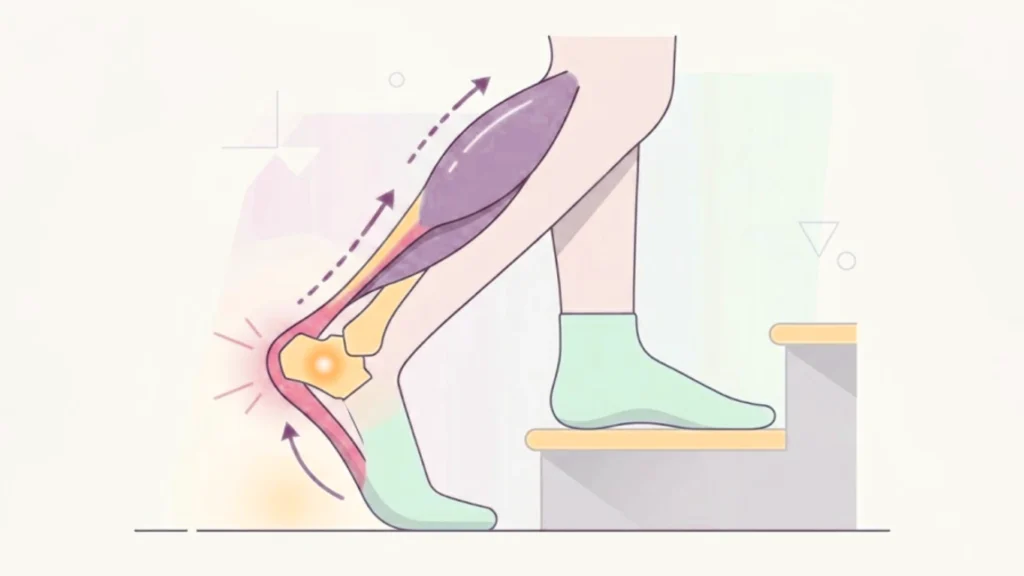
This means we are loading the foot repeatedly and heel pain develops insidiously, taking months. It is important to keep in mind that this area of the foot is put under a lot of tension because it absorbs much of body weight while walking and standing.
Common Causes of Heel Pain
Heel pain can stem from any number of causes, but they are usually tied to your daily routines and biomechanics.
- Prolonged standing on hard surfaces
- Tight calves and poor flexibility
- Poor footwear with inadequate cushioning
- Sometimes overuse resulting from walk or jog
They both pile pressure on the heel leads to discomfort and fatigue over a period..
How Heel Pain Affects Movement
As soon as the heel hurts, the body adapts to this. This change may affect the way you walk, stand or distribute weight.
- More care for the injured heel
- Altered walking patterns
- You are putting more stress on other parts like toes, the other foot
Such compensations provide short-term fixes, however they will generate new issues if one does not consider.
Exercise: Its Function In Recovery
Movement has a reciprocal relationship with our body and pain, thus for heel pain exercise is essential to create correct movement in the foot. Exercise is not exercising through pain, it is teaching you how to gain strength and flexibility over time.
Why Exercise Matters
Exercise helps:
- Increase blood flow to the site of injury
- More askew and muscles are not stiff
- Reinforce heel-signaling structures
This supports gradual healing and lowers the likelihood of pain recurring.
Consistency Over Intensity
Training recovery is not about going hard. Little but regular exercises work much better than once in a blue moon. The body can compensate at a slower rate without excessive injury.
Effective Exercises for Heel Pain
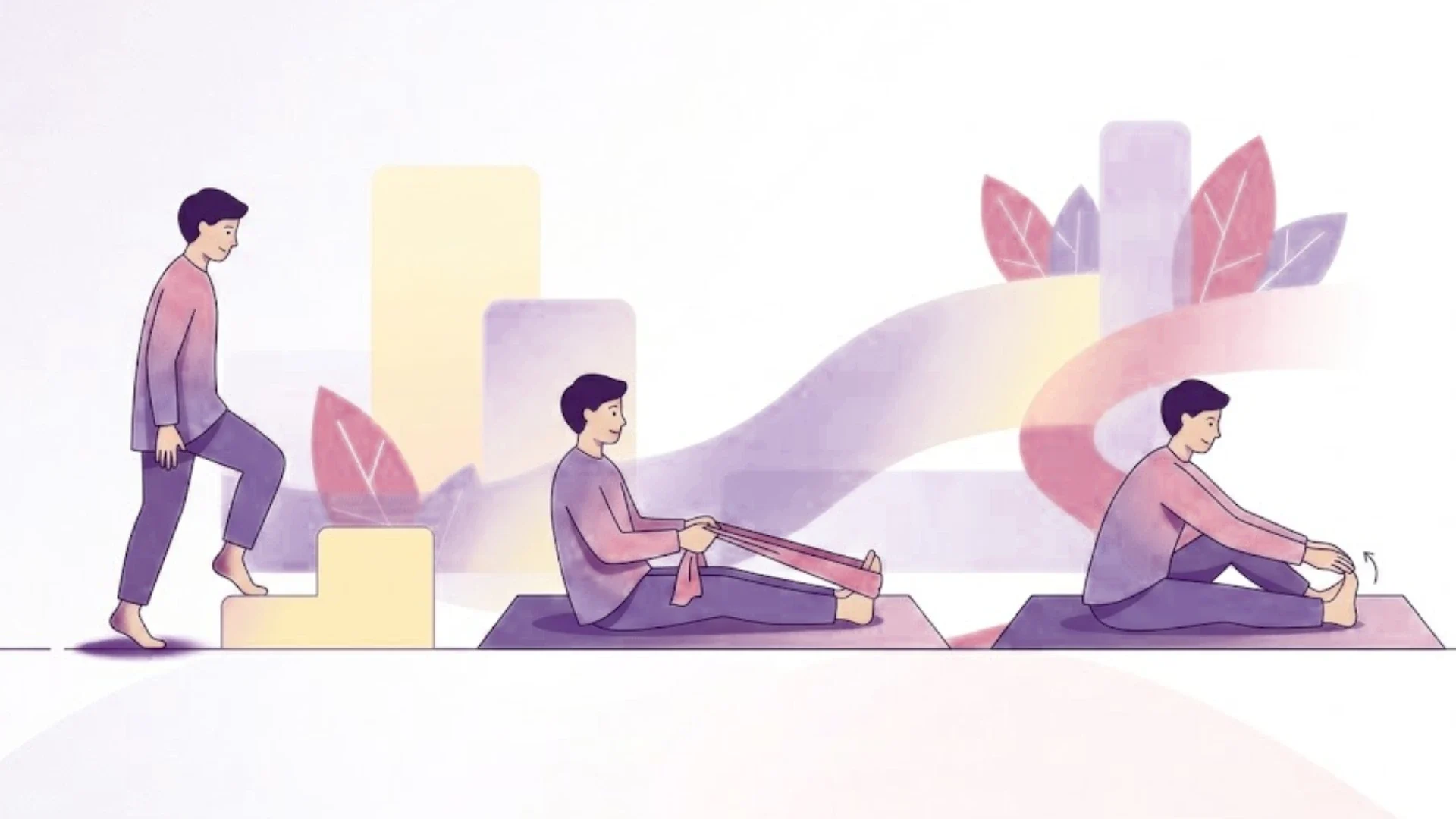
Stretching and strengthening exercises of the foot reduce heel pain and improve performance. You are developing mobility, strength and flexibility with all of these movements and this helps you to take some tension off that heel over time through controlled mobility.
1.Calf Stretch
If the calf muscles are too tight, they can create increased stresses on the heel during standing and walking. Regular stretching helps to combat this pull and either maintain or improve general flexibility.
- Notice the stretch through your front body and focus on what both shoulder blades are doing
- Press heel into the ground, straighten outside leg
- Static stretching hold for 20–30 seconds
- Repeat on both sides as many times as necessary to improve flexibility
Regular stretches can assist with ankle movement which in turn lazily the heel.
2.Heel Raises
Heel raises develop the muscles that stabilize the foot and ankle while in motion; this contributes to stability during dynamic movements.
- Footwear hipto-hip Standing
- Slowly rise onto your toes
- Lower back down with control
- Perform 10–15 repetitions
This will enable your foot to spread the weight more effectively as strength continues to improve through day-to-day activities.
3.Toe Curls
Increasing head, toe curls target intrinsic foot muscles that help maintain adequate arch support and balance.
- Place a towel under your foot
- Sit back with your knees straight and toes to pull the towel towards you.
- Repeat this several times on each foot.
Strong foot muscles allow you to balance your body weight and take the pressure off your heel.
4.Foot Rolling
With a roll of the foot they release all tension carried on or around the heel with this easy trick to eliminate discomfort.
- Put tennis balls or small balls or a bottle under your foot
- Roll from heel to toe slowly
- Apply light, comfortable pressure
- You get on stage for several minutes each day
This becomes even more welcome after long periods of standing or walking.
Supporting Recovery Through Daily Habits
Although movement is important, everyday habits are just as essential for heel pain treatment and prevention.
Wear Supportive Footwear
Structurally sound, well-cushioned shoes reduce heel-impact and aid in comfortable movement. Shoes that promote natural alignment and wellness Well-fit shoes help provide the exercise benefits.
Avoid Prolonged Strain
This continual stress on the heel when standing or walking for a long time without rest would lead to too much pressure. Having regular short breaks allows your feet to rest and keeps fatigue from building up.
Stay Active
Gentle, repetitive movement maintains muscle activity and prevents stiffness. Physical activity stimulates circulation, keeps the body pliable and helps to maintain the gains made in training sessions.
betterhood How To Recover From Heel Pain
You can certainly work on strength and flexibility without increase, but the external help gives you more time for recovery. betterhood made products that simply help you on how to build better body posture, this may be an example of improved reducing burden on your body.
Supporting Proper Alignment
betterhood product works to keep the body in proper alignment so there is less pressure that travels down to their feet. A balance in your posture results in the pressure on your heel being distributed more evenly.
Reducing Daily Stress
They helped them retain better and healthy postures whilst working by supporting your back, core etc thus reducing fatigue which normally accompanies long hours of sitting or standing. This indirectly relieves pressure to the heel in doing so.
Key Benefits
- Encourages better posture
- Reduces strain on joints
- Supports long-term comfort
Using tools/ along with exercise for added support makes recovery even more contagious!
Common Mistakes to Avoid
Ignoring Early Signs
If not addressed at the initial stages, even mild pain can become severe. Mild soreness or stiffness can develop into chronic irritation and before long movement becomes more and more complex. Keeping track of these early warning signs helps you to respond before it becomes a major concern.
Overexertion
Too much activity can worsen symptoms rather than do good. Sharp or vigorous activity may exert an additional load to a highly sensitive heel. Focusing on gentle, controlled exercise enables to provide assistance for healing without aggravating the issue
Inconsistent Practice
Physical recovery progresses much slower in relation to lack of regular exercise. Your body is not designed to mimic the same types of movement and repeat those same patterns, over and over: there is only so long before your body adapts to this type of restriction, learning how to generate a higher level of physical performance. Since you learn from lesson to lesson, some lessons left in your memory box or skills hit after a while can ruin your performance.
Creating a Sustainable Recovery Plan
Heel pain takes time to go away and commitment to what needs to be done. You do not need to do more, just the right things consistently and in increments.
Start Gradually
Progress gradually with exercise: Low-intensity exercises are a great place to start. Once you build up your comfort level and tolerance, you can start to increment the duration over time and increase its intensity. It helps in rehabilitating your body with no added pressure.
Monitor Progress
Monitor pain, mobility and comfort You notice even the smallest transitions (positive or negative) in how your body responds to the regimen, therefore finding ways to adjust it. Knowing about this helps you adjust your recovery plan so that it retains its effectiveness by aligning with what your body really wants.
Stay Committed
It takes consistent work to yield long-term results. Over time, if you do something regularly, your body may adapt to the stimulus and it can make the muscles, tendons and joints that have taken part in this particular challenge stronger; eventually; of course, they normalise. Daily run throughs somehow make a difference.
When to See a Doctor
For the most part, heel pain will respond to exercise or care but in some cases a doctor needs to be consulted. Timing of access is crucial so that the condition is not aggravated.
Persistent or Severe Pain
If heel pain does not ease with rest and exercise; if: It feels sharp or stabbing This may indicate a condition that needs assessment.
Pain That Limits Daily Activities
Getting help when heel pain gets in the way of your normal daily activities walking, standing or getting through other simple tasks feels impossible.
Pain After Injury
If heel pain starts suddenly after a fall, twist or blow, it needs to be investigated in order to rule out structural injury features (strain on fracture).
No Improvement with Self-Care
In some cases, the doctor or specialist will need to find the core of the problem so that you can give it proper treatment if your pain persists after using supportive shoes and resting your foot.
Finding timely care, so minor issues or movements do not develop into long term issues and you are back moving comfortably soon is key.
Conclusion
When you think about heel pain, the first thing that comes to mind is healing. Pain, by its very nature, is limiting at first but any exercise that encourages good biomechanics, helps those muscles surrounding the heel become stronger and or more flexible will be beneficial in overcoming pain. Positive habits and resources such as betterhood products can help build a better recovery system.
Recovery is not the solution or instant relief. Nothing humbles you more than the uphill climb back to a steadier base, stronger rainfall upon rainfall by way of ritual, intentional movement, performed structure. When you have time to be patient and thoughtful in your approach, you will transition from uncomfortable to comfortable, confident with doing the things that fill up your day.
FAQs
Heel pain is commonly caused by repeated stress, tight muscles, poor footwear or prolonged standing.
Yes, targeted exercises improve flexibility and strength, which helps reduce strain on the heel.
Recovery time varies, but consistent care and exercise can show improvement within a few weeks.
Yes, gentle and controlled exercises are safe, but avoid movements that increase pain.
Shoes with good cushioning, arch support, and proper fit help reduce pressure on the heel.
Mild cases may improve with rest, but proper care and exercise speed up recovery and prevent recurrence.
You should see a doctor if the pain is severe, persistent or does not improve with self-care.
References
[1] American Academy of Orthopaedic Surgeons (2022) Plantar Fasciitis and Heel Pain. Available at: https://orthoinfo.aaos.org/en/diseases–conditions/plantar-fasciitis-and-heel-pain-detailed-guide
[2] National Health Service (NHS) (2021) Heel Pain. Available at: https://www.nhs.uk/conditions/heel-pain-causes-treatment-prevention-guide
[3] Wearing, S. C., Smeathers, J. E., Urry, S. R. et al. (2006) The pathomechanics of plantar fasciitis. Available at: https://pubmed.ncbi.nlm.nih.gov/pathomechanics-plantar-fasciitis-research-study
[4] Mayo Clinic (2023) Heel Pain Causes and Treatment. Available at: https://www.mayoclinic.org/symptoms/heel-pain/basics/causes/sym-20050788
[5] Harvard Health Publishing (2020) Treating Heel Pain and Plantar Fasciitis. Available at: https://www.health.harvard.edu/pain/heel-pain-treatment-and-prevention
[6] World Health Organization (2021) Musculoskeletal Conditions. Available at: https://www.who.int/news-room/fact-sheets/detail/musculoskeletal-conditions
[7] National Library of Medicine (2019) Exercise Therapy for Foot and Heel Pain. Available at: https://www.ncbi.nlm.nih.gov/pmc/articles/exercise-therapy-heel-pain-study


