Tailbone Pain Relief Guide: How To Get Rid Of Coccydynia
In this article
- What is Coccydynia? Understanding the Tailbone
- Common Causes of Tailbone Pain
- What You Can Do At Home for Immediate Tailbone Pain Relief
- Deadlifts, Bridge and other Exercises for Tailbone Troubles
- Lifestyle Adjustments for Long-Term Recovery
- When to See a Doctor About Tailbone Pain
- Advanced Medical Treatments
- Conclusion
- References
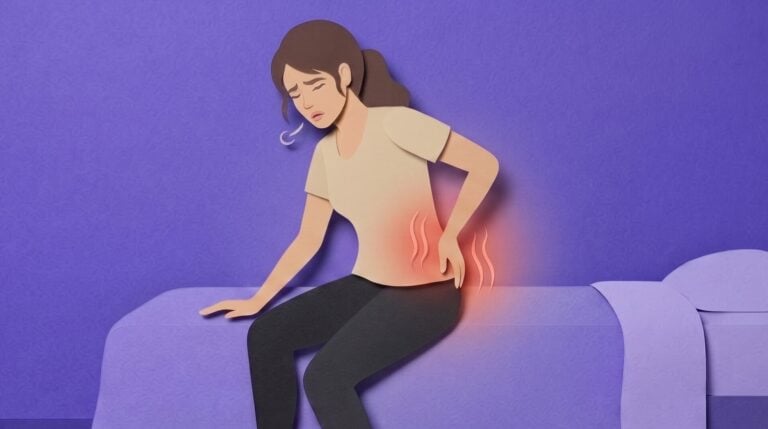
If you’ve ever made a flinch when about to sit down or experienced a stab, stab, stabbing feeling at the bottom of your spine when standing back up, then you already understand just how debilitating tailbone pain can be. It’s medically known as coccydynia, and the condition can turn a regular day at the office or movie-night marathon into a test of endurance.
The good news? But most tailbone-related pain is not permanent. Whether your pain is caused by an unanticipated fall, a repetitive motion or the physiological changes of actually getting pregnant, there are things you can do to feel better. This guide looks at why, some of the ideal exercises and the ergonomic changes that will get your bum back in shape.
What is Coccydynia? Understanding the Tailbone
The tailbone or coccyx is a small, triangular structure at the very end of the vertebral column. It sounds like a vestigial remnant, but in fact it serves as a point of attachment for many of the muscles, tendons and ligaments that comprise the pelvic floor.
When these tissues are inflamed or bruised and the bone is moved out of place, all movement that puts pressure on the pelvic floor sitting, leaning back or even going to the bathroom can be extremely painful.
Common Symptoms of Tailbone Pain:
- A nagging discomfort or a stabbing sensation at the base of your spine.
- Aggrieved from sitting to standing pain
- Pain that worsens when standing on hard surfaces.
- Pain during defecation or during sexual intercourse
Common Causes of Tailbone Pain
To address the pain, you first must understand where it’s coming from. Tailbone pain generally isn’t random, it is a response to physical stressors.
Trauma and Sudden Falls
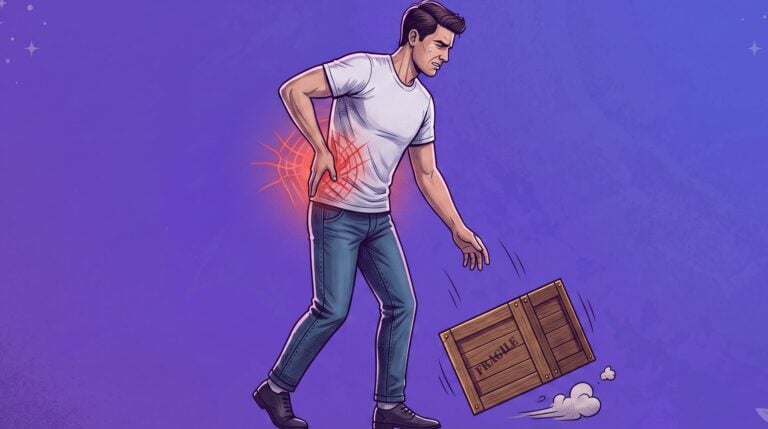
Localized trauma is the number one culprit. Falling backward on a rigid surface like ice or stairs can bruise, dislocate or even fracture the coccyx. Because the tailbone has less blood supply than fleshy muscles, these types of injuries take a long time to heal, he said. [1]
Repetitive Strain Injury (RSI)
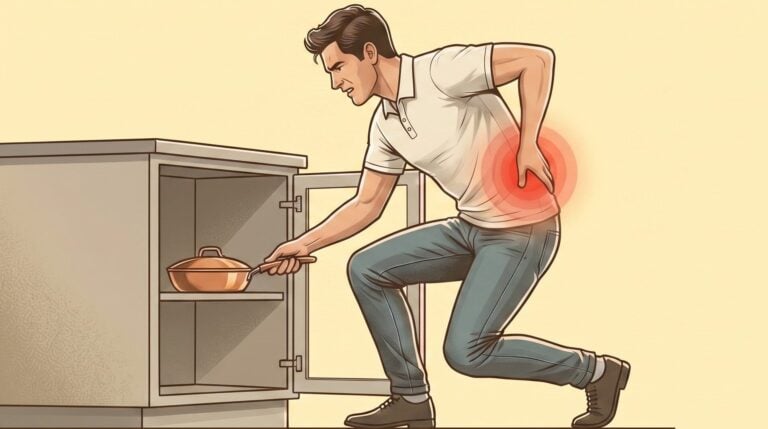
There are some activities involve leaning right forward for a long time or doing many repetitions can cause excessive use of the ligaments in these areas (coccyx) This is common in:
- Riding: The shape of your saddle hurts, constantly pushing on a narrow area.
- Rowing: The absolute pain of the sit-bones.
- Office Work: Playing 8+ hours a day in front of a computer with no Lumbar support.
Pregnancy and Childbirth
In the third trimester, hormones like relaxin are secreted by the body to soften ligaments in the pelvic area to accommodate for birth. This alteration can cause hyper-mobility or moving of the coccyx. During delivery, the baby’s head can also place direct pressure on the tailbone, leading to postpartum soreness. [2]
BMI and Weight Fluctuations
Extreme weight, on the other hand, will affect the tailbone as well. But if you’re underweight, you have less of that natural “gluteal cushioning” to keep bone from touching hard surfaces. On the other hand, being overweight creates too much intra-abdominal tension on coccyx while sitting. [3]
What You Can Do At Home for Immediate Tailbone Pain Relief
If you’re in acute pain, these techniques can provide you with “first-aid” relief right away.
The Right Way to Sit
Never sit flat on a sore tailbone. Instead:
- Lean Forward: Rather than leaning all your weight onto your spine, lean it onto the pubic bone and thighs.
- The “V” position: Feet flat on the floor, and a little wider than your hips.
Ergonomic Cushions
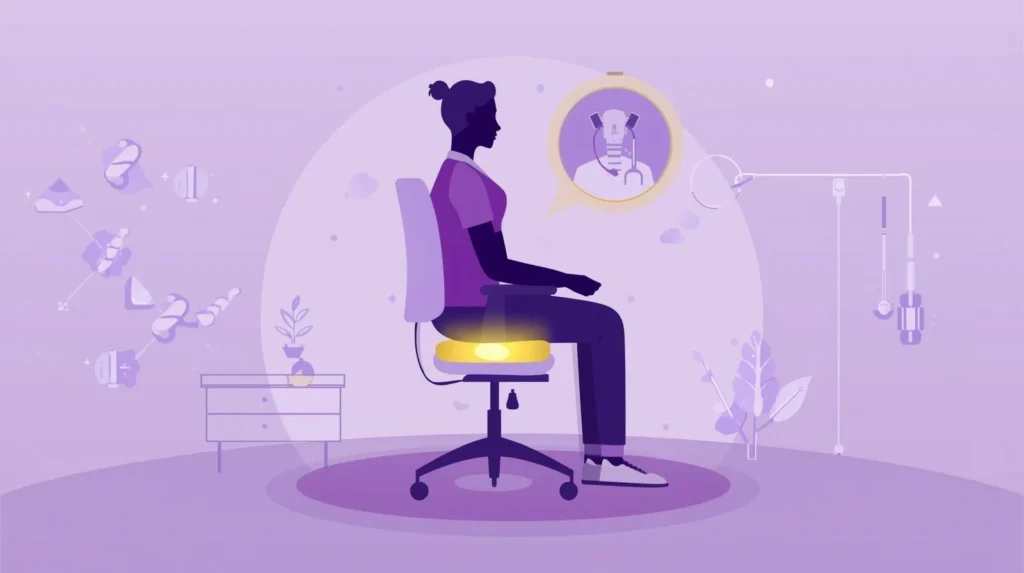
Your average sleeping pillow isn’t going to cut it, It squashes down under your body weight. You want a coccyx cut-out cushion (usually, U or wedge shaped). This design has a hole or gap just below the tailbone, so it can hover, meaning it doesn’t touch the chair. [4]
Ice vs. Heat Therapy
- Ice: For the first 48 hours following an injury, apply an ice pack for 15 minutes every few hours to reduce swelling.
- Heat: After the acute inflammation has calmed down, use heat with a heating pad to soothe pelvic floor muscle spasms secondary to pain.
Deadlifts, Bridge and other Exercises for Tailbone Troubles
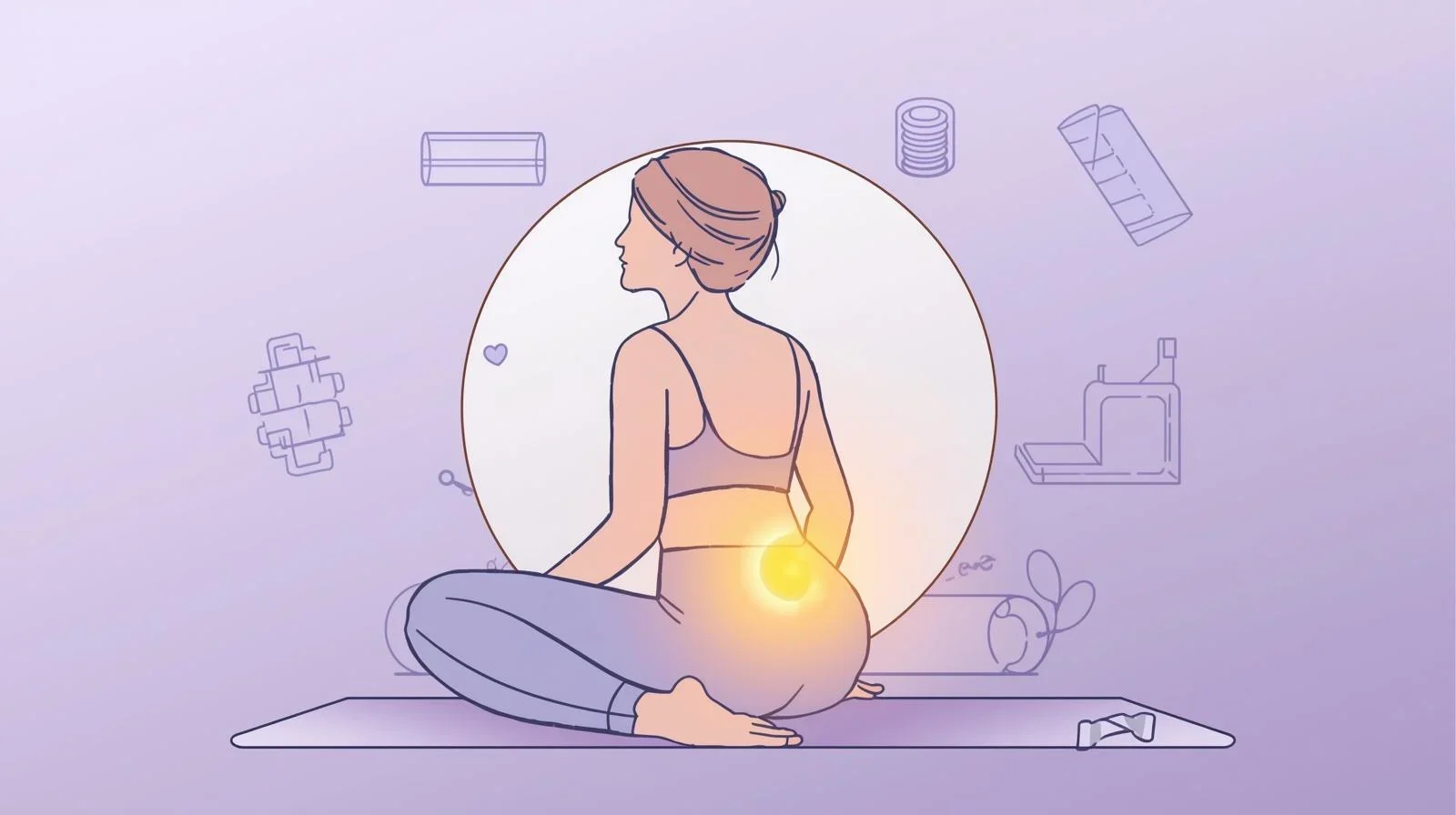
Stretching the muscles that attach to the coccyx may help ease the feeling of pulling,which contributes to pain.
Child’s Pose (Balasana)
When it comes to the yoga staples, this one elongates the spine and encourages pelvic floor release.
- Get down on the ground, kneeling in your heels.
- Automotive vehicles and other non-‘horsepower’ racing motorsports that Ford Motor Company supports.
- Extend your arms forward and breathe low into your back.
Pigeon Pose
Tight glutes and piriformis muscles can tug on the tailbone.
- Bring one knee toward your wrist.
- Stretch one leg behind you as far as you can.
- Slowly lower the torso down toward the ground.
Cat-Cow Stretch
It also improves spinal movement and circulation to the sacral area. [5]
- Get on all fours.
- Exhale, round down and in (Cat).
- Exhale, rounding your spine and tucking in your chin (Cat).
Lifestyle Adjustments for Long-Term Recovery
How to ease tailbone pain isn’t just a matter of what you do for 10 minutes a day.
Invest in a Standing Desk
So the only way to really heal the tailbone, Davis says, is to stop sitting on it. A standing desk allows you to be active all day long and gives your coccyx the rest it craves time to repair itself after tissue damage. [6]
Bowel Health and Fiber
Because it is located just above the rectum, constipation may cause severe pain during bowel movements. If you’re dehydrated and struggling to move your bowels, this will put extra pressure on the ligaments of the worst so also step up with fiber intake (vegetables, flaxseeds and whole grains). [7]
Footwear Matters
High heels shift the center of gravity forward and change pelvic tilt, often hyperextending the lumbar (lower back) spine while solidifying more pressure on the sacrum. During the recovery phase, wear flat and supportive shoes.
When to See a Doctor About Tailbone Pain
While most cases don’t require anything more than home care, some symptoms really do require a professional assessment.
Consult medical counsel if you are:
- Persistent pain for longer than 4–6 weeks despite home care.
- Sudden, severe bruising or swelling.
- Numbness or weakness in your legs.
- Fever accompanying the back pain.
Diagnostic Tests
A doctor may request an X-ray or MRI (taken, often times, both sitting and standing) to check whether the tailbone is dislocating when you put weight on it. [8]
Advanced Medical Treatments
If conservative treatments fail, modern medicine has numerous non-invasive and invasive options.
Pelvic Floor Physical Therapy
A specialized physical therapist can perform both internal or external manipulations to release muscles that are pulling the tailbone out of alignment. This is often considered the best treatment for chronic coccydynia. [9]
Corticosteroid Injections
Injecting a local anesthetic and a steroid into the joint can “turn off” its inflammatory response, giving months of relief.
Coccygectomy
Very rarely, in extreme cases where the bone is broken or badly out of place (dislocated), a surgeon may remove part or all of the coccyx. Which is only used as a last resort because the recovery process takes so long. [10]
Conclusion
Pain in the tailbone is your body’s way of saying that your pelvic alignment or sitting patterns may need an upgrade. With a little ergonomic grunt work (cushions), targeted mobility (stretches) and patience most people have seen pain reduced drastically in weeks.
Remember the goal is not just to relieve the pain today, but to establish a more resilient foundation for the days ahead.
Frequently Asked Questions
Bruises usually dissipate in 3 to 4 weeks; however, more severe trauma might take months.
Normal pillows get compressed, so they press on you; you need a U-shaped coccyx pillow.
Yes, gentle walking helps with blood circulation and relieves the direct weight for the underlying bone.
It’s often because as the bone moves during that transition, the pelvic muscles must “pull” on it.
And yes, the rectum’s proximity to the coccyx means that straining can brush against nearby nerves.
Yes, they alter your pelvic tilt and can put more compression on your lower spine.
It’s generally most comfortable to sleep on your side with a pillow between your legs.
Yes, it’s a very good way to release those muscles that are yanking on the tailbone.
Wherever you are carrying excess weight, loosening the load on your pelvis can release a lot of inflammation.
Surgery shouldn’t occur until all other treatments have been exhausted, a span of six months to a year, at least.
References
- American Physical Therapy Association. (n.d.). Pelvic Floor Physical Therapy and Pelvic Health. https://www.aptapelvichealth.org/
- Cleveland Clinic. (n.d.). Coccydynia (Tailbone Pain). https://my.clevelandclinic.org/health/diseases/21031-coccydynia-tailbone-pain
- Harvard Health Publishing. (2016). The Truth Behind Standing Desks. https://www.health.harvard.edu/blog/the-truth-behind-standing-desks-2016110410599
- Healthline. (n.d.). Tailbone Pain Cushion: Relief and Support. https://www.healthline.com/health/back-pain/tailbone-pain-cushion
- Mayo Clinic. (n.d.). Tailbone Pain (Coccydynia): Symptoms and Causes. https://www.mayoclinic.org/diseases-conditions/tailbone-pain/symptoms-causes/syc-20378171
- Medical News Today. (n.d.). Bowel Health and Pelvic Pain. https://www.medicalnewstoday.com/articles/322610
- Radiopaedia. (n.d.). Coccydynia. https://radiopaedia.org/articles/coccydynia
- Spine-Health. (n.d.). Coccydynia (Tailbone Pain) and Coccygectomy Surgery. https://www.spine-health.com/conditions/lower-back-pain/coccydynia-tailbone-pain
- WebMD. (n.d.). Tailbone Pain (Coccydynia). https://www.webmd.com/pain-management/guide/tailbone-pain-coccydynia
- Yoga Journal. (n.d.). Yoga Poses for Back Pain Relief. https://www.yogajournal.com/poses/types/back-pain/