Step Into Relief: Proven Remedies for Heel Pain
In this article
- Heel Pain & Why It Won’t Go Away
- Do It Yourself Remedies For Heel Pain
- Stretching Essential For Alleviating Those Aching Heels
- Heel Pads and Insoles
- Heel-Pain Treatment Options betterhood
- Lifestyle Changes That Might Help With Heel Pain
- When Home Remedies Aren’t Enough
- When to See a Doctor
- Long Term Gain of Treating Heel Pain Early
- Building a Pain-Free Walking Routine
- Conclusion
- FAQs
- References
Have you ever sat up in bed after a long night and noticed that constant, prickly pain on top of the heel so sharp and persistent your first few steps each morning are much more difficult than your most recent CrossFit? Or maybe it crawls up through the day, making a normal pattern seem completely out of place. You either loosen it, walk it out or just leave it alone and hope for the best. But what if this pain is not one you need to get used to? Just imagine if the correct heel pain treatment options could change how you felt in your feet every day.
Our culture collective is so good at giving unmarred, easy to avoid surface level pain, especially that fluctuates. But even mild, chronic pain is your body signalling that not everything is as it should be. Signals may be small but repeat themselves continuously over the years since they never go away, revealing a deep impact on the way we walk, how active we can stay in the daytime and how broken down our body will feel by the end of it.
One of the sneaky issues that can creep up on you is heel pain. It rarely shows up overnight. If it was a puppy and you were the owner, you’d be Readers Digesting about how they can just sneak up on you one day long hours standing or running to hard needing impact, not enough ranging support or even slight imbalance in your biomechanics. It begins small and is therefore often overlooked, till it finds a place in the daily aggravation such that you begin to anticipate instead of question.
The positive news is heel discomfort can generally be rehabilitated very well with some simple modifications performed consistently. Not short term relief, the congestion is really about relieving whatever caused it pressure, tension or support. This knowledge of what your heel needs allows you to take concrete steps that will actually allow for you to move more comfortably and confidently day-to-day.
Heel Pain & Why It Won’t Go Away
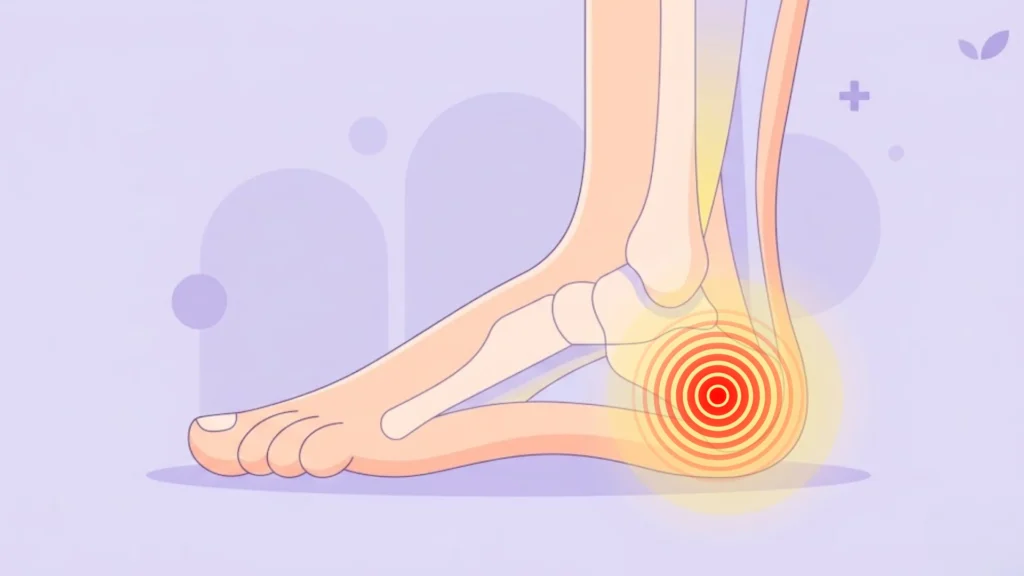
Symptoms Heel pain is most often a consequence of the improper overload on tissues (tendons, ligament and fascia) that support your foot. One of the most common culprits is straining on the plantar fascia which is the band of tissue that runs under your foot.
Common Causes
- Prolonged standing on hard surfaces
- Wearing unsupportive footwear
- Tight calf muscles
- Sudden increase in physical activity
- Poor foot alignment
These forces are imposed every instant on your heel. The burden is building, thus the pain is more difficult to ignore over time without effective recovery or social support.
Why It Keeps Coming Back
There can be an underlying cause even if the pain disappears. If whatever you do in life or whoever supports you today will not change, the discomfort comes back often. This is why deliverance provides genuine and enduring healing, not a band-aid.
Do It Yourself Remedies For Heel Pain
With very little work, there are successful home remedies for heel pain. So this aims to decrease compressive force, allow more motion and ensure your foot is positioned in its true happy place. Do all these and it is certain that you will experience an increase in comfort as well as mobility across the board.
Rest and Activity Balance
Give your feet time to heal. Avoid continuously aggravating your heel but also avoid not moving it at all. Low impact activity such as swimming keeps the joints moving and stops them getting stiff.
Cold Therapy
We have been advantageous even with applying ice across the heel following remaining on feet/soles for long periods or each time walking longer distances ever since October 2023. Even 10–15 minutes of cold has a calming effect and pain relief.
Elevation
Additionally, raising the foot while resting will also help reduce swelling and promote blood circulation. This is very useful towards the end of day after your feet have been under pressure a long time.
Stretching Essential For Alleviating Those Aching Heels
One of the contributing factors causing heel pain is tightness in both the calves and Achilles tendon. If they are tighter, it will cause the heel to pull and also more stress and pain.
Calf Stretch
When you stretch your calves, you release the weight that is pulling on the heel. By relaxing these muscles, the foot can move better from heel to toe and is less stressed while walking.
Foot Stretch
Stretching the bottom of the foot also loosens tightness and increases flexibility for more extension, leading to less rigidity. Which should make falling out of bed in the morning less painful and much more fun.
Consistency Matters
Stretching for even just 5 minutes every day, over time you will notice it. Intensity is not the key, consistency is you full every day with little things.
Foot Better SupportStimulates Heel Pain With ThisNees Similar to GERD it may be hereditary, but there are effective treated remedies that can work even better if they imitate certain qualities.
One of the most important aspects of dealing with heel pain is support. This can lead to constant aggravation of your heel and make even basic movements difficult.
Heel Pads and Insoles
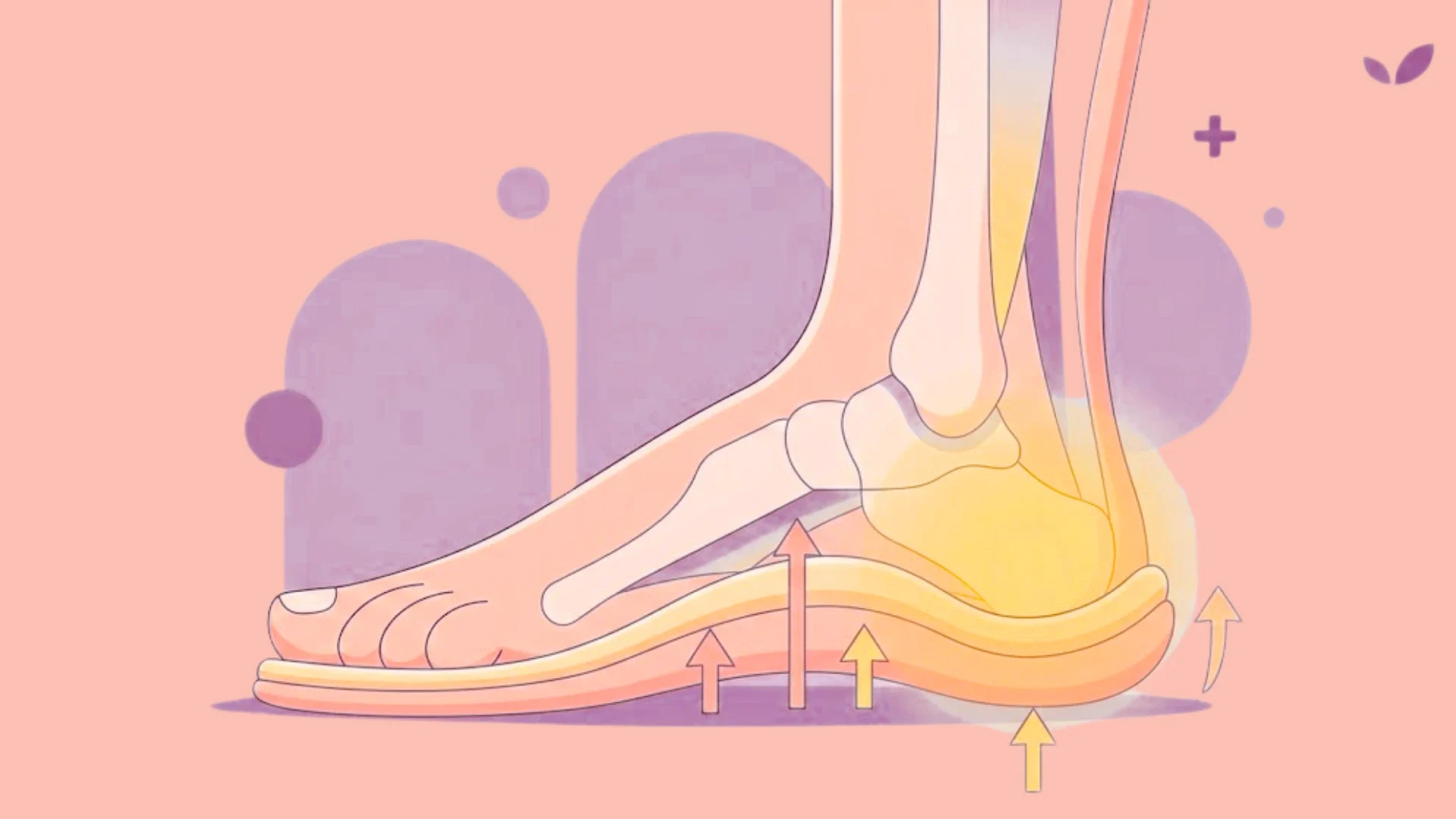
They also offer more cushioning and distribute pressure around the heel better. Such minimize influence and allow them to be extra comfy so that you can stroll or stand in.
Supportive Footwear
Well constructed shoes absorb all that pressure of your heel. The stable sole and ample cushioning also ensures comfort.
Avoid Flat, Unsupportive Shoes
Thin sole shoes with no cushioning might be harmful. Pillowy high-impact heel strikes with supportive footwear will be able to help you take that weight away from your feet, leaving your heel to absorb the pressure if you go without shoes which is just increasing your risk for chronic pain.
Heel-Pain Treatment Options betterhood
At betterhood, we wouldn’t try to mask your symptoms but treat what actually matters– marrying where your foot needs functional support together with providing comfort. Instead of masking the pathology, lay your foot into its natural biomechanical position and interact with triggers throughout the day.
betterhood products are designed to help relieve pressure on the heel, improve alignment while you walk and aid movement. The introduction of heel pads or the simple fact that more supportive insoles exist should definitely not be condemned here; that results in a significantly more stable contact from foot-to-ground and less effort visible for each step.
What Makes betterhood Different
betterhood also supplies structured, impact absorbent materials for many years. This guarantees that your heel has continual assist all the way in which through the day, not simply cushioned it breaks down and loses its effectiveness with use.
So the designs are not strictly aesthetic, they take into account long hours on your feet and repeat steps the way you move in real life. So that you know the support is not just lazy or very nearly invisible at least for a while, enough to be established as part of your ritual.
Designed for Everyday Comfort
betterhood Solutions is uncomplicated and will slot conveniently into your day-to-day lives! They conceal well enough to fit in with the majority of footwear and don’t require huge adjustments to your gait.
The game is called sustainable comfort. They help support your heel with every step you take throughout the day, they encourage better function in your foot to absorb and disperse that impact on your joints- letting you cruise through your day with less pain and more confidence.
Lifestyle Changes That Might Help With Heel Pain
You can actually make a difference and improve how your feet feel with slight alterations that you make to your everyday life. Though small, these adjustments will over time reduce stress on your heel and aid progressive movement.
Maintain Healthy Weight
Some parts of your foot will have less pressure, which means less stress on the heel. Are you noticing any change on what your feet do every day with slightly less loads? Even a shorter arch or load.
Take Breaks
All stretches should be done with breaks, do not stand for a stretch without taking a break. About standing for a few minutes to let the muscles rest, avoiding chronic stress.
Stay Active
Gentle movement helps maintain flexibility and endurance. Fitness forces your feet and surrounding muscles, whatever the level of activity stiffness will be lessened.
Pay Attention to Walking Patterns
How you walk affects how weight is placed on your foot. Identifying your gait and engaging in equal distribution of weight can help to relieve unnecessary pressure on your heel.
When Home Remedies Aren’t Enough
There are cases that need some more convenience while most of the Info’s is lost by means of trivial funds. Catch things sooner so it doesn’t go Generation 2.
Persistent Pain
You should not ignore pain that does not go away after weeks, despite your focus. It could indicate a more significant issue that needs addressing.
Severe Discomfort
A sudden, severe pain may indicate something more serious than sore muscles from exertion.
Limited Mobility
Another cause to be looked into is if a person cannot walk properly. Limited motion means that there is something your heel needs, other than a simple maintenance level.
When to See a Doctor
Part of it is knowing when to get professional help. A little discomfort today could be a chronic pain tomorrow and your body could turn into a hostile environment if you do not take the early intervention action, which makes all the difference in the long run!
Warning Signs
- Pain that worsens over time
- Swelling or redness
- Pain even at rest
- Difficulty bearing weight
- No improvement after consistent remedies
A physician will diagnose the root of the problem and suggest treatment focusing on your ailment.
Long Term Gain of Treating Heel Pain Early
Sometimes, it can start off as a minor pain and that has become chronic by not attending to the issue early on. Outcomes improve when the right care, in the best way is given–over time.
Improved Comfort
It aids you in going through your day-to-day with less pain, keeping you active with ease.
Better Movement
And you walk more naturally and a lot better, with less stress on your joints and muscles.
Reduced Risk of Injury
This guarantees regular and appropriate care reducing the possible long-term harm or repetitive stress lesions that can occur as a result of pain going untreated.
Increased Confidence
It comes from the fact that running pain-freeness makes your quality of life so much higher to make it feel less tiring and heavy when you carry out things in your daily life. You are just a much happier healthier person.
Building a Pain-Free Walking Routine
Walking is another fundamental of that daily life movement. When it gets uncomfortable is when even balls of the easiest tasks feel heavy and tiring. The way you unwrap those feet on the land below feeds from how it connects with and what that vessel for choice does; little niggles in one part travel through movement and out in crannycrannies of physical responses.
Consistency is the secret behind long-lasting relief. Combining those rest, stretches and postural support groups forms a foundational aspect for healthier ways of moving. These little, daily practices add up to relieve tension and enhance mobility while also supporting your soft tissues.
Conclusion
Heel pain doesn’t have to dictate how you move or feel. More often, this is a sign that your feet need more care and attention and support than what you have to simply live with.
And that is it nail agonies, with just the right medications for heel sore heel niggles pain and some single yet crucial amendments to how you move in can help you avoid pain and get up-and-go better with the indispensable day after-day These are not short cuts but rather habits that will help in keeping your feet in check long run.
Because getting into relief is not about doing something extreme, it is about taking the right steps day in and day out so that each step feels lighter, easier and without pain.
FAQs
The most effective remedies include rest, stretching, proper footwear, and using supportive aids like heel pads or insoles to reduce pressure.
Mild heel pain may improve with rest, but without addressing the cause, it often returns.
Recovery time varies, but consistent care can show improvement within a few weeks for most mild cases.
Yes, heel pads help absorb shock and reduce pressure on the heel, improving comfort during daily activities.
Yes, regular stretching reduces muscle tightness and relieves stress on the heel.
Shoes with good cushioning, arch support, and a stable sole help reduce strain on the heel.
You should see a doctor if pain persists, worsens or affects your ability to walk normally.
References
[1] Plantar Fasciitis and Bone Spurs, American Academy of Orthopaedic Surgeons (AAOS), 2022 Provides a clinical overview of heel pain causes and highlights how rest, stretching, and supportive devices help reduce stress on the heel. Link: https://orthoinfo.aaos.org/en/diseases–conditions/plantar-fasciitis-and-bone-spurs
[2] Heel Pain: Symptoms and Causes, Mayo Clinic Staff, 2023 Explains common causes of heel pain and outlines treatment approaches including lifestyle changes and supportive footwear. Link: https://www.mayoclinic.org/symptoms/heel-pain
[3] Effectiveness of Foot Orthoses for Heel Pain, Landorf KB et al., 2020 A research study showing how orthotic support helps reduce pain and improve foot function. Link: https://pubmed.ncbi.nlm.nih.gov
[4] Biomechanics of Footwear and Impact Reduction, Benno M. Nigg, 2019 Discusses how cushioning and support influence foot mechanics and reduce stress during movement. Link: https://www.sciencedirect.com
[5] Foot Orthoses and Pain Management, Rome K et al., 2018 Covers the role of foot support devices in relieving pain and improving mobility. Link: https://www.researchgate.net
[6] Plantar Pressure Distribution in Foot Care, Redfern MS, 2018 Explains how pressure distribution affects heel pain and how support devices help manage it. Link: https://www.ncbi.nlm.nih.gov


