Simple Recovery Tips to Relieve Neck Pain

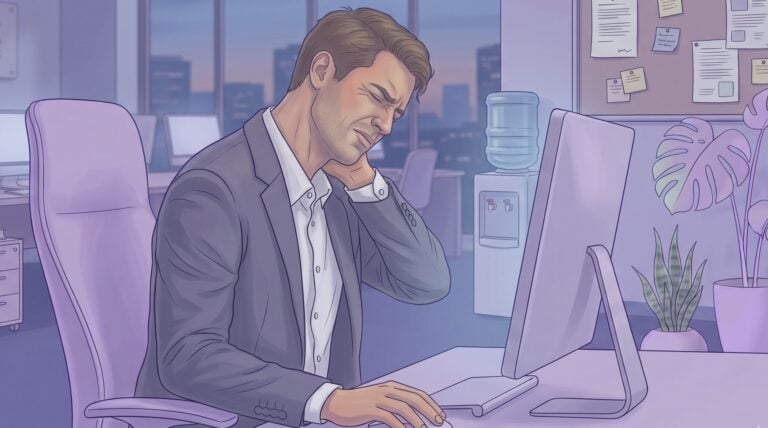
Neck pain is one of the most common musculoskeletal issues faced globally, affecting individuals of all ages. Whether it’s due to poor posture, sedentary lifestyles, stress, or injury, neck pain can significantly disrupt daily life. The good news is that with proper care and awareness, most cases of neck pain can be managed effectively at home.
In this comprehensive guide, we’ll explore simple and evidence-backed recovery tips to relieve neck pain, improve mobility, and enhance your quality of life.
Understanding Neck Pain
The neck, or cervical spine, supports the head and allows for a wide range of motion. It is composed of vertebrae, discs, muscles, ligaments, and nerves. Pain can arise from any of these structures due to overuse, strain, or injury.
Common Causes of Neck Pain:
- Poor posture (especially during screen time or mobile phone use)
- Sedentary behavior
- Muscle strain
- Sleeping in awkward positions
- Whiplash or injury
- Osteoarthritis
- Herniated discs
- Stress and anxiety
Understanding the root cause is essential to treat neck pain effectively.
1. Practice Good Posture
Poor posture is a leading contributor to chronic neck pain. Many people spend hours hunched over desks, computers, or phones, unknowingly stressing their cervical spine.
Tips for Better Posture:
- Keep your monitor at eye level
- Sit upright with your shoulders relaxed
- Support your lower back with a cushion
- Avoid craning your neck forward
- Take breaks every 30–60 minutes to stretch
Postural correction can significantly reduce pressure on the neck and upper back.
2. Apply Heat or Cold
Thermotherapy and cryotherapy are simple, effective methods for temporary pain relief.
Use Cold Therapy:
- For recent injuries or inflammation
- Apply an ice pack for 15–20 minutes several times a day
Use Heat Therapy:
- For chronic muscle tension or stiffness
- Use a heating pad or warm towel on the neck
- Helps improve blood flow and relax muscles
Avoid applying heat or ice directly to the skin; always use a protective cloth.
3. Gentle Neck Stretches
Daily stretching improves flexibility, blood flow, and reduces tightness. Never stretch to the point of pain.
Try These Simple Stretches:
- Chin tucks: Pull your chin straight back (like making a double chin) and hold for 5 seconds
- Side neck stretch: Tilt your head toward one shoulder and hold for 15–30 seconds
- Neck rotation: Slowly turn your head from side to side
Perform these exercises 1–2 times a day in a pain-free range of motion.
4. Strengthen Neck and Shoulder Muscles
A strong neck and upper back help support your posture and reduce the risk of strain.
Strengthening Exercises:
- Shoulder blade squeezes: Pull your shoulder blades together and hold
- Wall push-ups: Strengthen upper body muscles
- Isometric neck exercises: Press your hand against your forehead and resist the motion
Start with light repetitions and increase gradually.
5. Ergonomic Adjustments
Whether you’re working from home or at an office, proper ergonomics can prevent and relieve neck pain.
Key Adjustments:
- Position your monitor at eye level
- Use a chair with good lumbar and neck support
- Keep your feet flat on the floor
- Use a headset instead of cradling your phone between shoulder and ear
- Use a document holder to avoid repetitive downward neck movement
Consider standing desks or sit-stand converters for variation throughout the day.
6. Sleep Smart
Poor sleep posture and inadequate pillows can exacerbate neck pain.
Sleep Tips:
- Sleep on your back or side (not stomach)
- Use a supportive pillow that keeps the neck aligned
- Try a cervical pillow or memory foam
- Ensure your mattress supports natural spine alignment
Replace worn-out pillows every 1–2 years.
7. Stay Physically Active
Physical inactivity is a major risk factor for musculoskeletal conditions.
Benefits of Regular Activity:
- Improves muscle strength and flexibility
- Boosts circulation to the cervical spine
- Reduces stress and tension
- Helps maintain a healthy weight
Aim for 150 minutes of moderate-intensity aerobic activity weekly, as per WHO guidelines.
8. Manage Stress
Stress can cause you to unconsciously tense your neck and shoulder muscles.
Stress Reduction Techniques:
- Deep breathing
- Meditation or mindfulness
- Progressive muscle relaxation
- Yoga or tai chi
- Listening to calming music
Even 10 minutes of daily relaxation can make a difference.
9. Hydration and Nutrition
Your spinal discs need water and nutrients to stay healthy and cushion the vertebrae.
Healthy Habits:
- Drink at least 6–8 glasses of water a day
- Eat a balanced diet rich in anti-inflammatory foods: fruits, vegetables, nuts, fish, and whole grains
- Limit processed foods and sugar
Omega-3 fatty acids and magnesium may also help reduce muscle cramps and inflammation.
Limit Mobile and Screen Use
Prolonged smartphone or screen use is one of the most common causes of “text neck.”
Tips to Reduce Strain:
- Hold your phone at eye level
- Use voice assistants instead of typing
- Set daily screen time limits
- Take frequent screen breaks (20-20-20 rule: every 20 minutes, look at something 20 feet away for 20 seconds)
Invest in ergonomically friendly accessories like phone stands and tablet holders.
11. Practice Safe Lifting
Lifting heavy objects improperly can strain your entire spine, including the neck.
Safe Lifting Tips:
- Bend your knees, not your back
- Hold the object close to your body
- Avoid twisting your torso
- Ask for help with heavy items
Follow workplace ergonomics guidelines to prevent injuries.
12. Evaluate Your Driving Posture
Driving for extended periods with poor posture can lead to neck stiffness.
Adjust Your Driving Position:
- Sit upright with your back fully supported
- Adjust headrest to the middle of your head
- Keep your arms relaxed with a slight bend
- Take breaks on long drives to stretch
Use lumbar and neck support pillows if needed.
13. Consider Professional Help
If your pain is persistent, worsens, or affects your daily life, seek medical attention.
Specialists Who Can Help:
- Physiotherapists: For manual therapy and exercise prescription
- Chiropractors: For spinal adjustments
- Orthopedic doctors: For structural issues or severe cases
- Massage therapists: For soft tissue relief
Avoid self-diagnosing or overusing pain medication without guidance.
14. Use Over-the-Counter Pain Relief Wisely
Non-prescription medications can help reduce inflammation and pain temporarily.
Options Include:
- Ibuprofen (Advil)
- Acetaminophen (Tylenol)
- Topical creams with menthol or capsaicin
Always read labels and consult a doctor if you have existing conditions or are taking other medications.
15. Monitor and Track Symptoms
Keeping a pain journal can help identify triggers and track improvement.
Record:
- Time and duration of pain
- Activities prior to pain onset
- Sleep quality
- Stress levels
- Exercises performed
This can help healthcare professionals provide more tailored advice if needed.
When to See a Doctor
Seek medical attention if you experience:
- Pain persisting more than a few weeks
- Severe pain with no improvement
- Numbness or tingling in arms or hands
- Weakness in limbs
- Loss of bladder or bowel control
- Fever or unexplained weight loss
These may indicate underlying conditions that require medical intervention.
Final Thoughts
Neck pain can be debilitating, but with consistent care, ergonomic improvements, and healthy lifestyle changes, relief is possible. From correcting your posture and staying active to practicing stress management, these simple recovery tips empower you to take control of your neck health.
If your pain persists, don’t hesitate to consult a professional. Early intervention can prevent chronic issues and improve your quality of life.
References
- Mayo Clinic. (n.d.). Posture: Tips to improve your posture. Mayo Clinic. https://www.mayoclinic.org/healthy-lifestyle/adult-health/in-depth/posture/art-20045171
- Vos, T., et al. (2020). Global burden of 369 diseases and injuries in 204 countries and territories, 1990–2019: A systematic analysis for the Global Burden of Disease Study 2019. The Lancet. https://www.ncbi.nlm.nih.gov/pmc/articles/PMC7151183/
- World Health Organization. (2020). Physical activity. https://www.who.int/news-room/fact-sheets/detail/physical-activity
- American Chiropractic Association. (n.d.). Posture and back health. https://www.acatoday.org/Patients/Health-Wellness-Information/Posture
- National Institutes of Health. (2020). Posture and musculoskeletal health. https://www.ninds.nih.gov/Disorders/All-Disorders/Back-Pain-Information-Page
- Harvard Health Publishing. (2019). Why good posture matters. Harvard Medical School. https://www.health.harvard.edu/pain/why-good-posture-matters
- Cleveland Clinic. (2021). Poor posture: How it affects your health. https://health.clevelandclinic.org/the-dangers-of-poor-posture
- National Institute of Neurological Disorders and Stroke. (2020). Low back pain fact sheet. https://www.ninds.nih.gov/Disorders/Patient-Caregiver-Education/Fact-Sheets/Low-Back-Pain-Fact-Sheet
- World Health Organization. (2019). Musculoskeletal conditions. https://www.who.int/news-room/fact-sheets/detail/musculoskeletal-conditions
- Mayo Clinic. (2021). Preventing back pain. https://www.mayoclinic.org/diseases-conditions/back-pain/in-depth/back-pain/art-20044507
- National Institute for Occupational Safety and Health. (2020). Ergonomics and musculoskeletal disorders. https://www.cdc.gov/niosh/topics/ergonomics/
- World Health Organization. (2020). Physical inactivity: A global public health problem. https://www.who.int/dietphysicalactivity/factsheet_inactivity/en/
- Centers for Disease Control and Prevention. (2021). How much physical activity do adults need? https://www.cdc.gov/physicalactivity/basics/adults/index.htm
- American Physical Therapy Association. (2020). Posture and movement. https://www.choosept.com/guide/physical-therapy-guide-posture
- National Highway Traffic Safety Administration. (2021). Ergonomics while driving. https://www.nhtsa.gov/road-safety
- American Academy of Orthopaedic Surgeons. (2020). Driving posture tips. https://orthoinfo.aaos.org/en/staying-healthy/healthy-driving-posture
- Canadian Centre for Occupational Health and Safety. (2020). Safe lifting practices. https://www.ccohs.ca/oshanswers/ergonomics/liftingsafely.html
- Occupational Safety and Health Administration. (2020). Ergonomics: Solutions to control hazards. https://www.osha.gov/ergonomics
- National Institute of Arthritis and Musculoskeletal and Skin Diseases. (2020). Joint pain. https://www.niams.nih.gov/health-topics/joint-pain
- Mayo Clinic. (2021). Office ergonomics: Your how-to guide. https://www.mayoclinic.org/healthy-lifestyle/adult-health/in-depth/office-ergonomics/art-20046169