Relieve Musculoskeletal Pain: Recovery Tips & Exercises
In this article
- Common Causes of Musculoskeletal Pain and When to Take Action
- Why Recovery Is Important for Muscles and Joints
- Prioritize Sleep
- Stay Hydrated
- Eat Anti-Inflammatory Foods
- Sleep and Musculoskeletal Recovery: Your Body’s Natural Repair Tool
- Myths and Facts About Muscle and Joint Recovery
- Incorporate Stretching and Mobility Exercises
- Try Low-Impact Exercise
- Use Hot and Cold Therapy
- Use Compression and Elevation
- Use Ergonomic Tools
- Final Thoughts
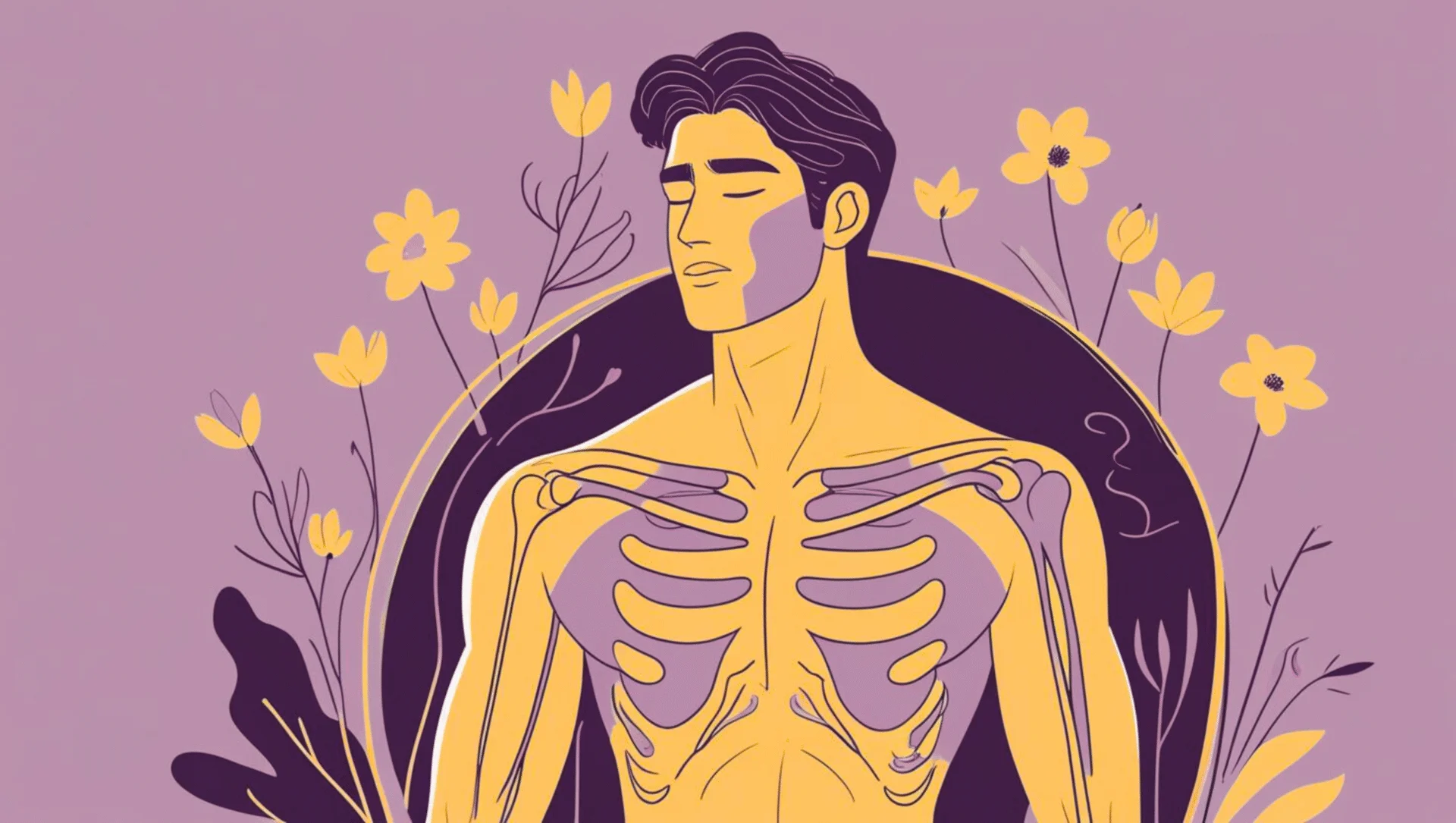
Your musculoskeletal system, which includes muscles, bones, joints, ligaments, and tendons, plays a vital role in daily movement and physical function. Whether you’re an athlete, a fitness enthusiast, or someone who experiences occasional discomfort, focusing on recovery is key to keeping your body strong and pain-free.
In today’s fast-paced world, many people neglect proper recovery strategies, leading to chronic pain, joint stiffness, and reduced mobility. This guide shares evidence-backed musculoskeletal recovery tips to help reduce pain, restore movement, and support long-term physical well-being.
Common Causes of Musculoskeletal Pain and When to Take Action
Musculoskeletal pain rarely appears overnight. In most cases, it develops gradually due to repetitive strain, poor movement habits, and inadequate recovery. One of the most common contributors is poor posture, especially during prolonged sitting or screen use. Slouching, forward head posture, and unsupported lower backs place continuous stress on muscles and joints.
Over time, this leads to stiffness, inflammation, and reduced mobility.
Other common causes include:
- Prolonged sitting with minimal movement
- Repetitive motions at work or during exercise
- Weak core and stabilizing muscles
- Lack of stretching and mobility work
- High stress levels causing muscle tension
Desk workers are particularly vulnerable, making pain relief for desk workers and muscle recovery after sitting essential parts of daily care. Without proper recovery, small aches can progress into chronic neck, back, or joint pain.
You should take action if:
- Pain lasts longer than a week
- Stiffness worsens after rest
- There is tingling, numbness, or sharp pain
- Movement feels restricted
Early intervention through spine recovery exercises, mobility exercises for sedentary people, and basic physiotherapy principles can prevent long-term damage and speed up healing.
Why Recovery Is Important for Muscles and Joints
Recovery is not just for athletes. Every time you engage in physical activity whether lifting groceries, running errands, or exercising, your muscles and joints experience micro-stress. This stress, when followed by recovery, is beneficial as it helps rebuild tissue stronger than before. However, without proper recovery:
- Muscle fibers don’t repair optimally
- Joints remain inflamed
- Risk of chronic injuries and degenerative conditions increases
Proper musculoskeletal recovery improves tissue resilience, reduces inflammation, restores range of motion, and prevents long-term damage. It’s also essential for maintaining healthy posture and reducing fatigue during day-to-day activities.
Prioritize Sleep
Sleep is the body’s most natural and effective healing tool. During deep sleep stages (particularly non-REM sleep), the body releases growth hormone, which plays a crucial role in tissue repair and regeneration.
Lack of sleep has been linked to:
- Increased pain perception
- Slower muscle recovery
- Poor immune response
Tips for sleep-enhanced recovery:
- Aim for 7–9 hours of quality sleep
- Use a supportive mattress and pillows that align the spine
- Avoid screens 1 hour before bedtime
- Keep your bedroom dark, cool, and quiet
For individuals with musculoskeletal conditions like fibromyalgia or arthritis, consistent sleep hygiene can significantly improve symptom management.
Stay Hydrated
Water is critical for musculoskeletal function. It lubricates joints, aids in nutrient delivery to muscle tissues, and flushes out toxins.
Even mild dehydration can:
- Increase muscle cramps
- Cause fatigue and stiffness
- Impair joint cushioning
Best hydration practices:
- Drink at least 8–10 glasses of water daily
- Add electrolytes (sodium, potassium, magnesium) post-exercise
- Limit diuretics like caffeine and alcohol
Hydration also helps maintain cartilage elasticity and supports the production of synovial fluid, the “lubricant” that keeps joints gliding smoothly.
Eat Anti-Inflammatory Foods
Your diet plays a major role in how your muscles and joints recover. Nutrient-dense, anti-inflammatory foods support repair, reduce oxidative stress, and accelerate healing.
Top nutrients for recovery:
- Protein: Helps rebuild muscle fibers (found in eggs, lean meats, legumes)
- Omega-3 Fatty Acids: Reduces inflammation (found in fish, chia seeds, walnuts)
- Vitamin D & Calcium: Strengthen bones (found in dairy, leafy greens, fortified foods)
- Magnesium: Prevents cramping and supports muscle function
Foods to avoid:
- Refined sugars
- Processed foods
- Excess saturated fats
- Soda and energy drinks
For better recovery, include whole grains, fruits like berries and oranges, and spices like turmeric and ginger in your diet.
Sleep and Musculoskeletal Recovery: Your Body’s Natural Repair Tool
Sleep is the most powerful recovery aid available. During deep non-REM sleep, the body releases growth hormone, which is essential for tissue repair and regeneration.
Lack of sleep is linked to:
- Increased pain sensitivity
- Slower muscle recovery
- Poor immune response
Tips for sleep-enhanced recovery:
- Aim for 7–9 hours of quality sleep
- Use a mattress and pillow that support spinal alignment
- Avoid screens at least 1 hour before bed
- Keep your bedroom dark, cool, and quiet
Consistent sleep routines significantly improve recovery for people with chronic musculoskeletal conditions.
Myths and Facts About Muscle and Joint Recovery
There are many misconceptions around recovery that often delay healing and worsen pain.
Myth: Rest means no movement
Fact: Complete inactivity can increase stiffness. Gentle movement, stretching, and light activity support circulation and improve how to recover from musculoskeletal pain effectively.
Myth: Recovery is only for athletes
Fact: Sedentary lifestyles place continuous strain on muscles and joints. Office workers need recovery just as much as athletes, especially for recovery tips for back and neck pain.
Myth: Pain is a normal part of daily life
Fact: Persistent pain is a warning sign. Ignoring it can increase inflammation and slow muscle recovery after sitting or repetitive tasks.
Myth: Stretching doesn’t make a difference
Fact: Regular stretching for musculoskeletal health improves flexibility, posture, and joint function while reducing injury risk.
Myth: Inflammation always requires medication
Fact: Lifestyle changes like sleep, hydration, anti-inflammatory foods, and movement are effective ways for how to reduce inflammation in muscles naturally.
Understanding these myths helps build smarter recovery habits and encourages long-term musculoskeletal health rather than short-term pain relief.
Incorporate Stretching and Mobility Exercises
Stretching helps release tension, increase blood flow, and enhance flexibility, all critical for muscle and joint recovery.
Benefits of regular stretching:
- Prevents stiffness after exercise
- Improves circulation to joints
- Promotes better posture
Stretching tips:
- Perform dynamic stretches before workouts (e.g., leg swings, arm circles)
- Follow up with static stretches after workouts (e.g., hamstring stretch, quad stretch)
- Consider mobility tools like foam rollers or resistance bands
Gentle yoga, Pilates, and tai chi can also improve flexibility, muscle tone, and body awareness.
Try Low-Impact Exercise
Active recovery, engaging in gentle movement promotes circulation, reduces lactic acid buildup, and encourages joint mobility.
Examples of low-impact recovery exercises:
- Walking
- Swimming
- Biking
- Light yoga or tai chi
These movements help loosen tight muscles and lubricate joints without causing additional stress. It’s important to balance intense training or physically demanding work with recovery days that include light activity.
Use Hot and Cold Therapy
Thermal therapies are simple yet effective ways to reduce muscle soreness, stiffness, and inflammation.
Cold Therapy (Ice Packs):
- Reduces inflammation and swelling
- Numbs sore areas
- Best within 48 hours of injury or intense activity
Heat Therapy (Warm Compress or Bath):
- Relaxes tight muscles
- Improves blood flow
- Eases joint stiffness (especially in arthritis)
Alternate between hot and cold for 20 minutes each if needed. Always use a cloth barrier to protect your skin and avoid direct contact with ice or heat sources.
Use Compression and Elevation
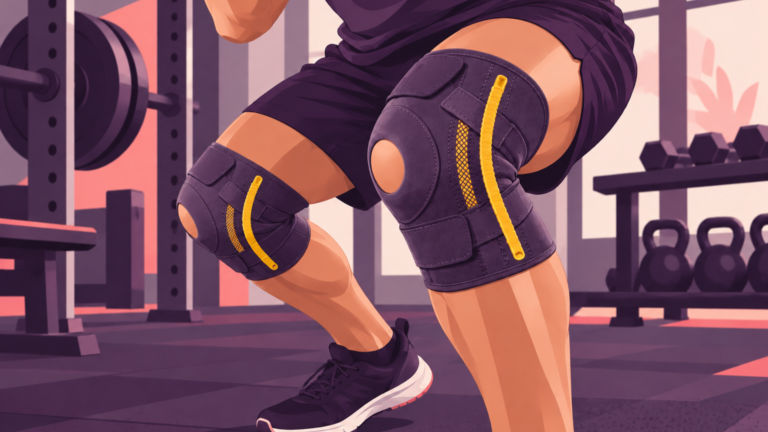
Compression garments (like sleeves, socks, and wraps) support recovery by increasing blood circulation and reducing swelling.
Benefits of compression:
- Improves oxygen delivery to muscles
- Reduces muscle soreness
- Supports joint alignment
Elevation tips:
- Raise sore limbs above heart level to reduce fluid buildup
- Use pillows to support knees, legs, or arms
- Ideal for post-exercise recovery or after standing for long hours
Combining compression with elevation after physical activity accelerates muscle healing and reduces fatigue.
Use Ergonomic Tools
Poor posture is one of the biggest contributors to musculoskeletal pain, especially among desk workers. Ergonomic tools support the natural alignment of your body and reduce unnecessary strain on muscles and joints.
Ergonomic tips:
Recovery is most effective when daily habits are supported by the right tools. Simple ergonomic upgrades can significantly reduce strain during work and sleep.
- Use an adjustable chair with lumbar support to maintain spinal alignment and reduce lower-back stress during long sitting hours
- Cervical sleep pillow helps maintain a neutral neck position during sleep, improving overnight muscle relaxation and recovery
These supportive tools complement daily movement, stretching, and recovery routines.
See a Doctor if Pain Persists
While most muscle and joint pain is temporary, persistent symptoms may require professional evaluation.
Signs you should see a specialist:
- Pain lasts more than a week
- Sharp, shooting pain or tingling
- Swelling or joint instability
- Limited range of motion
Depending on your condition, your doctor may recommend:
- Physical therapy
- Imaging (X-rays, MRI)
- Anti-inflammatory medications
- Postural correction programs
Addressing underlying issues early prevents further damage and supports long-term musculoskeletal health.
Final Thoughts
Musculoskeletal recovery isn’t a luxury, it’s a necessity. Whether you’re dealing with post-workout soreness, chronic joint discomfort, or age-related stiffness, incorporating these tips can help your body repair, recover, and thrive.
Simple practices like sleeping well, staying hydrated, stretching regularly, and eating the right foods go a long way in preventing pain and improving quality of life. Listen to your body, give it the care it deserves, and enjoy a pain-free, active lifestyle.
FAQs
How can I set up a daily self-care routine for musculoskeletal resilience?
Incorporate short movement breaks, daily stretching, hydration, balanced nutrition, and 7–9 hours of sleep. Consistent gentle exercise and posture awareness strengthen muscles, protect joints, and reduce long-term pain.
What role does mindfulness or meditation play in musculoskeletal recovery?
Mindfulness reduces stress-related muscle tension, improves posture awareness, and encourages deep breathing, aiding recovery and supporting long-term musculoskeletal health.
How long does it take for muscles and joints to recover after strain?
Mild muscle strain typically recovers within a few days to a week, while joint or connective tissue recovery may take longer depending on severity, age, and activity level. Consistent rest, hydration, and stretching for muscle recovery speed healing.
Can office workers prevent musculoskeletal pain with simple exercises?
Yes. Regular posture resets, mobility drills, and light pain management exercises can significantly reduce stiffness and prevent chronic back and neck pain in office workers.
What are the best stretches for lower back and neck pain relief?
Gentle neck side bends, chin tucks, cat–cow stretches, seated spinal twists, and hip flexor stretches are highly effective for back and neck pain relief when done daily.
References
- Robertson, M. M., Ciriello, V. M., & Garabet, A. M. (2013). Office ergonomics training and a sit-stand workstation: Effects on musculoskeletal and visual symptoms and performance of office workers. Applied Ergonomics, 44(1), 73–85. https://doi.org/10.1016/j.apergo.2012.05.005
- Canales, J. Z., et al. (2010). Posture and body image in major depressive disorder: a controlled study. BMC Psychiatry, 10, 12. https://doi.org/10.1186/1471-244X-10-12
- Peper, E., Booiman, A., Lin, I. M., & Harvey, R. (2016). Increase strength and mood with posture: Walk tall, stand tall, and feel tall. Biofeedback, 44(3), 126–133. https://doi.org/10.5298/1081-5937-44.3.04
- Shahidi, B., et al. (2013). Differential effects of mental concentration and acute psychosocial stress on cervical muscle activity and posture. Journal of Electromyography and Kinesiology, 23(5), 1082–1089. https://www.ncbi.nlm.nih.gov/pmc/articles/PMC4968934/
- Franklin, M. E., et al. (1998). An analysis of posture and back pain in the first and third trimesters of pregnancy. J. Orthop. Sports Phys. Ther. 28(3), 133–138. https://pubmed.ncbi.nlm.nih.gov/9742469/
- Wilkes, C., et al. (2017). Upright posture improves affect and fatigue in people with depressive symptoms. J. Behav. Ther. Exp. Psychiatry, 54, 143–149. https://pubmed.ncbi.nlm.nih.gov/27494342/
- Sirajudeen, M. S., et al. (2022). Prevalence of text neck posture, smartphone addiction, and its association with neck disorders. PeerJ, 10, e14443. https://pubmed.ncbi.nlm.nih.gov/36540801/
- Lyu, S. (2016). Posture Modification Effects Using Soft Materials Structures (Ph.D. dissertation, Univ. of Minnesota). https://conservancy.umn.edu/handle/11299/183305
- Sallinen, J., et al. (2011). Sedentary behavior and physical activity in working‑age adults in relation to occupational and leisure time. BMC Public Health, 11, 273. https://doi.org/10.1186/1471-2458-11-273
- Zaza, C. (1998). Playing-related musculoskeletal disorders in musicians. Medical Problems of Performing Artists, 13(2), 55–61. https://doi.org/10.21091/mppa.1998.4039