Iron Supplements: Who Needs Them?
In this article
- What Is Iron and Why Would You Want It?
- Understanding Iron Deficiency
- How to Tell if You Need Iron Supplements
- Benefits of Iron Supplements
- Who Might Need Iron Supplements?
- Best Food Sources of Iron
- Types of Iron Supplements
- How Much Iron Do You Need?
- When Is the Best Time to Take Iron Supplements?
- Are Iron Supplements Safe?
- When to Seek a Health Professional
- Conclusion
- FAQs
- References
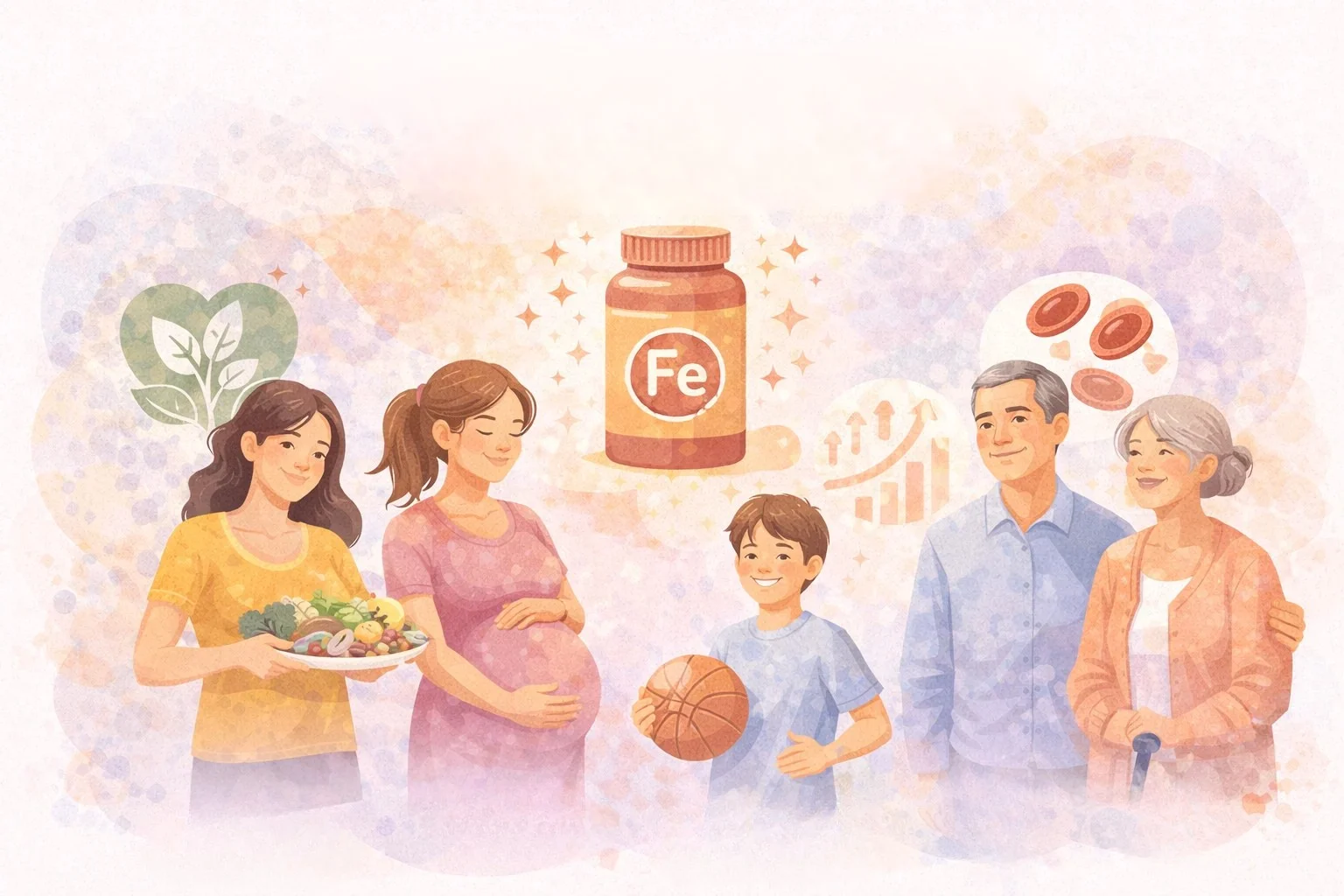
Iron is a prominent mineral present in the body and gives health to our body. It helps the body produce hemoglobin, a protein in red blood cells that transports oxygen to tissue throughout the body. Without enough iron, the body is unable to produce sufficient healthy red blood cells that can lead to fatigue, weakness and other health problems.
Iron deficiency is one of the most common nutritional deficiencies in the world. Most people are unlikely to know they’re low in iron until symptoms emerge. Iron supplements are used to boost iron levels when enough iron cannot be obtained through diet or if the body requires more than what it can absorb through food.
It can increase energy, enhance oxygen transport and make you feel better! This guide discusses why iron is important for the body, signs that you’re low on iron, what benefits supplements may offer, who might need them and how to take them safely.
What Is Iron and Why Would You Want It?
Iron is a mineral that the body needs for many vital processes. Its main role is the prevention of hemoglobin production, which helps red blood cells transport oxygen from the lungs to tissues throughout the body.
Iron also supports:
- Energy production
- Muscle metabolism
- Brain function
- Immune system support
- Hormone production
- Healthy cell growth
With insufficient iron, blood cannot carry oxygen efficiently, which can lead to fatigue and decreased physical performance. [1]
Food or supplement is the only iron the body can’t produce by itself.
Understanding Iron Deficiency
Iron deficiency is a medical condition when the body doesn’t have enough iron for its needs. Iron levels can dip over time, leading to a condition called iron-avidity anemia, where the body lacks adequate healthy red blood cells and is unable to efficiently transport oxygen.
There are many causes of iron deficiency that can develop slowly, ranging from deficiencies in diet (nutrients) to blood loss to impaired uptake or increased nutritional requirements.
Common causes include:
- Poor dietary intake
- Heavy menstrual periods
- Pregnancy
- Gastrointestinal conditions
- Injury or surgery resulting in blood loss
- Certain medications
- Intense endurance training
Iron deficiency is particularly common in women of child-bearing age as well as pregnant individuals and those who eat only small amounts of dietary iron.
How to Tell if You Need Iron Supplements
Symptoms of iron deficiency generally happen gradually and can begin with something small. But as the iron levels decrease, the symptoms could become more pronounced.
Fatigue and Low Energy
Fatigue Fatigue is one of the first signs that your iron levels are low. Without enough iron, the body can’t deliver adequate oxygen to muscles and tissues, which can result in tiredness and reduced endurance.
Pale Skin
Hemoglobin is a pigment that gives blood its red color. Less red blood cells, less color everywhere a classic cause of paler skin.
Shortness of Breath
Decreased oxygen delivery may be compensated for by increased breath, a clinical description also known as dyspnea on exertion.
Frequent Headaches
Little or no oxygen in the brain can cause headaches or dizziness.
Cold Hands and Feet
Less oxygen circulating can lead to cold extremities.
Brittle Nails or Hair Thinning
To nurture health, train them in each cell. Low levels can affect hair health and nail strength.
Difficulty Concentrating
Iron also plays an essential role in brain functioning and oxygen transportation to the brain. A deficiency may affect attention and mental focus.
Increased Heart Rate
If less oxygen is being delivered, the heart may work harder to pump blood.
A healthcare provider should evaluate signs and symptoms of iron deficiency anemia. [2]
Benefits of Iron Supplements
Iron supplements may restore iron in the body and improve several essential bodily processes.
Improved Energy Levels
Iron is necessary for transporting oxygen and producing energy, the supplements restore hemoglobin levels.
Better Oxygen Delivery
Iron that isn’t making it to red blood cells decreases how much oxygen they can transport effectively throughout the rest of the body.
Reduced Fatigue
Iron supplements may improve fatigue caused by low levels of iron.
Support for Cognitive Function
Iron is also crucial for cognitive health and a clear mind.
Support During Pregnancy
Your blood volume expands during pregnancy, as does your developing fetus and that increases the demand for iron.
Improved Athletic Performance
Insufficient iron can result in decreased endurance for athletes, and supplementation can boost it.
If you have iron deficiency, supplements can be an effective way to restore levels.
Who Might Need Iron Supplements?
Iron supplements are often recommended to people who have low iron levels or require more iron.
Women With Heavy Menstrual Periods
Monthly blood loss due to menstruation can also contribute to iron deficiency.
Pregnant Individuals
This demand increases because it is needed for placental development and fetal growth during pregnancy.
Vegetarians and Vegans
Translating that into the plant–based realm, iron in those diets MOM and POP may not be as well absorbed.
Endurance Athletes
If you’re doing high-intensity training or long-distance running, you might need more iron.
People With Digestive Disorders
Diseases of the gastrointestinal tract can disrupt iron absorption.
Individuals With Low Dietary Intake
In those who eat less iron-rich foods, lower intake of iron may occur.
In such Iron supplements can be used to maintain healthy iron levels here.
Best Food Sources of Iron
Additionally, boosting dietary intake of iron-rich foods before any supplement is used can help in maintaining appropriate levels.
Animal-Based Iron Sources
These are rich in heme iron, which is absorbed more easily by the body.
Examples include:
- Red meat
- Poultry
- Fish
- Liver
- Plant-Based Iron Sources
These foods contain non-heme iron, which we do not absorb as well.
Examples include:
- Beans and lentils
- Tofu
- Spinach
- Pumpkin seeds
- Whole grains
- Fortified cereals
Eating vitamin C rich foods alongside plant-based sources of iron can encourage absorption. [3]
Types of Iron Supplements
There are several forms of iron supplements.
- Ferrous Sulfate
- Genres, the widest and most available.
- Ferrous Gluconate
- Often gentler on the stomach.
- Ferrous Fumarate
- Contains more iron per dose.
- Iron Bisglycinate
A more absorbable and easier to tolerate chelated form.
Different forms can differ in absorption and tolerance.
How Much Iron Do You Need?
Iron recommendations vary by age and sex, but adults need 7 to 18 milligrams of iron each day.
Approximate guidelines:
- Adult men: 8 mg per day
- Adult women (19 to 50): 18 mg/daily
- Pregnant people: 27 mg a day
- Women over 50: 8 mg per day
Iron supplementation is often at larger doses when deficiency is diagnosed and often in a health setting. [1]
When Is the Best Time to Take Iron Supplements?
Iron supplements are widely consumed, taken with food to be absorbed well. But some are irritating to the gut, so taking them with food may stave that off.
Tips for better absorption:
- Take with vitamin C
- Avoid taking with calcium supplements
- not within tea or coffee the dose
You can follow these steps that contribute to better iron absorption.
Are Iron Supplements Safe?
Used as directed, iron supplements are safe for most individuals. It can also generate side effects, or toxicities in high doses.
Possible side effects include:
- Stomach discomfort
- Nausea
- Constipation
- Dark stools
Taking the right dose, and a doctor’s advice can reduce risks.
When to Seek a Health Professional
Blood tests should ideally confirm iron deficiency. A health care professional may screen for hemoglobin levels and iron stores before recommending supplementation.
If you do have it, consider getting medical advice.
- Persistent fatigue
- Shortness of breath
- Unexplained weakness
- Frequent dizziness
- Symptoms of anemia
Accurate diagnosis leads to appropriate treatment.
Conclusion
Iron assists with oxygen transport in the blood, generates energy and adds to overall vitality. [You may experience fatigue, weakness or dizziness because high iron levels impair your physical performance. Desirable levels can be restored with iron supplementation when levels of iron are not consumed or the body has an increased demand.
By recognizing signs of iron deficiency and implementing strategies to address them early, it can help support energy, oxygen transportation and overall wellness.
FAQs
Iron supplements are used to treat or prevent iron deficiency and support healthy red blood cell production.
Fatigue, paler skin, dizziness and shortness of breath can all be symptoms of low iron but only a blood test will tell.
Yes, in cases of fatigue caused by iron deficiency, supplements can help restore energy.
Iron is generally taken on an empty stomach for maximum absorption, but if it upsets the stomach, can be taken with food.
In recommended amounts, administered under medical supervision, they are safe.
Yes, the vast majority of people get enough iron from their diets meat, beans and lentils, for example, as well as fortified grains.
References
- National Institutes of Health. (2022). Iron Fact Sheet for Consumers.
https://ods.od.nih.gov/factsheets/Iron-Consumer/ - Mayo Clinic. (2023). Iron deficiency anemia.
https://www.mayoclinic.org/diseases-conditions/iron-deficiency-anemia - Cleveland Clinic. (2023). Iron deficiency symptoms.
https://health.clevelandclinic.org/iron-deficiency - Harvard Health Publishing. (2023). Iron and health.
https://www.health.harvard.edu/staying-healthy/iron - World Health Organization. (2022). Iron deficiency anaemia.
https://www.who.int/health-topics/anaemia - Medical News Today. (2023). Iron supplements.
https://www.medicalnewstoday.com/articles/iron-supplements


