Insoles for Sneakers vs Formal Shoes: What You Need to Know?
In this article
- Chapter 1 – Understanding Insoles
- Chapter 2 – The Role of Insoles in Different Shoe Types
- Chapter 3 – Material Differences
- Chapter 4 – Design and Structure
- Chapter 5 – Benefits and Limitations
- Chapter 6 – Comfort & Support Comparison
- Chapter 7 – Choosing the Right Insole for Your Feet
- Chapter 8 – Can You Swap Insoles Between Sneakers and Formal Shoes?
- Chapter 9 – Custom Orthotics vs Ready-Made Insoles
- Chapter 10 – Care and Maintenance Tips
- Chapter 11 – Common Mistakes When Buying Insoles
- Chapter 12 – Real-Life Scenarios
- Chapter 13 – Expert Recommendations
- Conclusion – Finding Your Perfect Fit
- References:
When we shop for shoes, we often focus on the outer design, the brand, the style, the color, and the material. Rarely do we pay attention to the part that actually touches our feet: the insole.
Yet, insoles are the unsung heroes of comfort and foot health. They not only make walking or running more comfortable but also help align your posture, absorb impact, and prevent foot-related problems.
For people who wear both sneakers and formal shoes regularly, understanding the differences in insole design, function, and materials is essential. While sneaker insoles are built for performance and shock absorption, formal shoe insoles focus on slimness, elegance, and subtle support.
In this comprehensive guide, we’ll explore:
- The anatomy and purpose of insoles
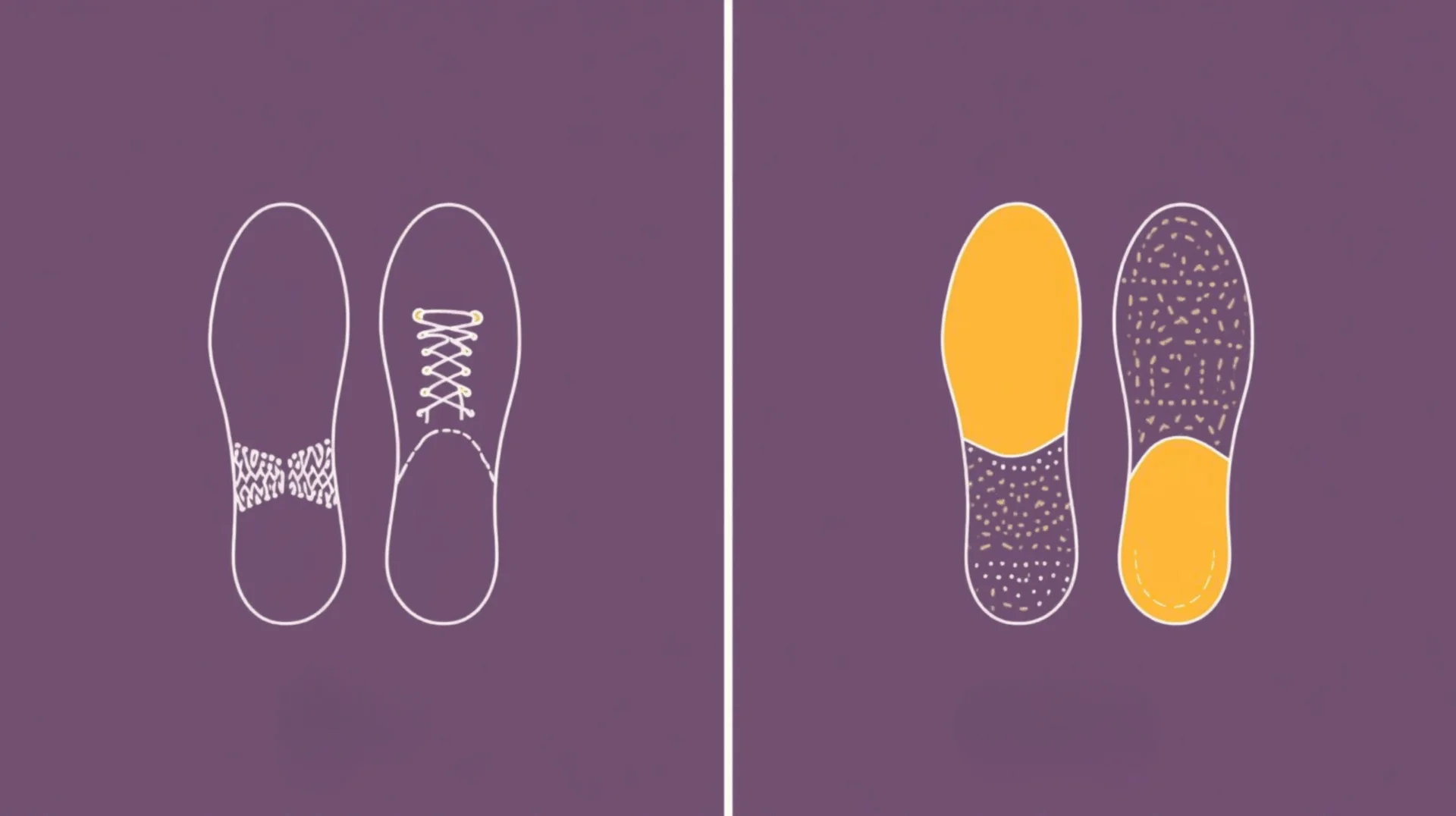
- Key differences between sneaker and formal shoe insoles
- Benefits, limitations, and best-use scenarios for each
- Buying tips based on foot type and lifestyle
- Expert recommendations and care tips
Chapter 1 – Understanding Insoles
What Are Insoles and Why Do They Matter?
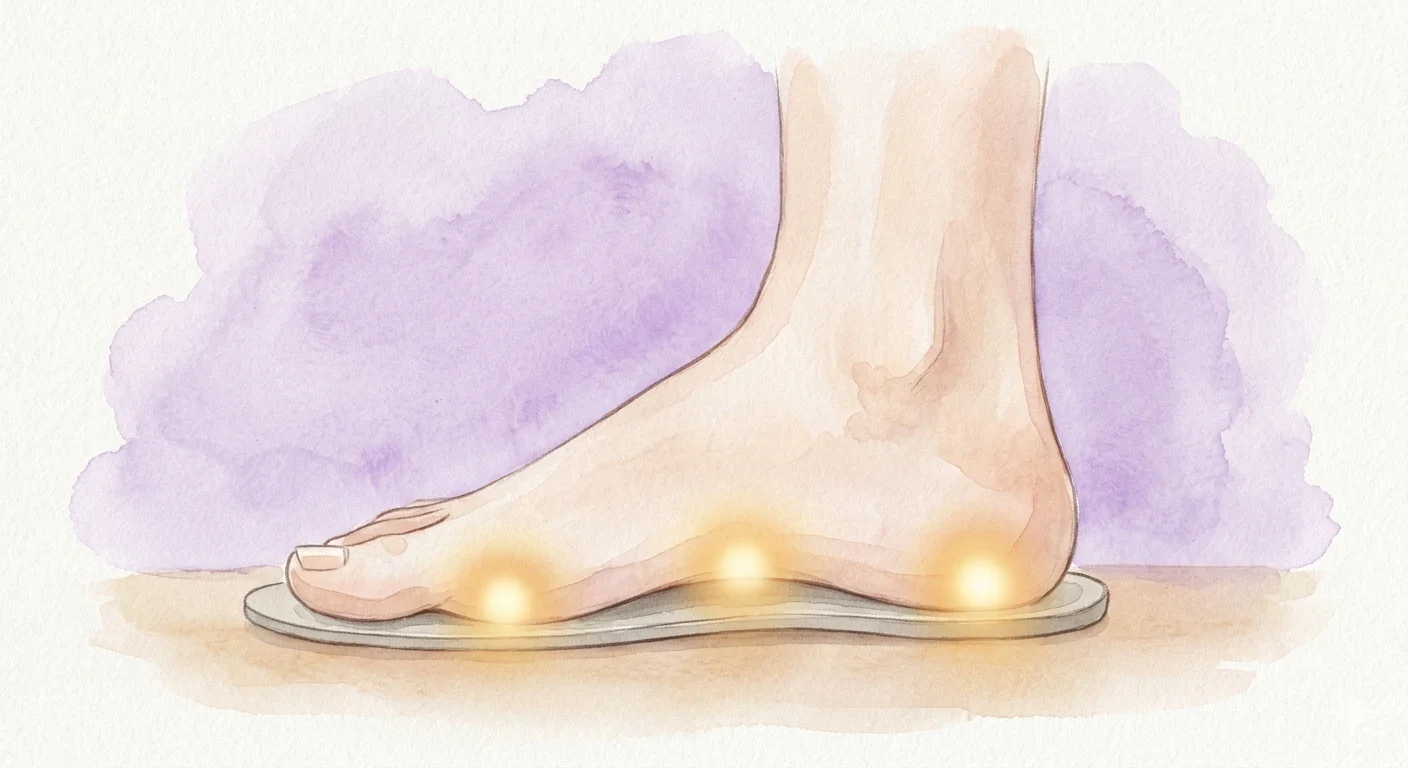
An insole, also known as a footbed or inner sole, is the layer inside your shoe that your foot rests upon. This component plays several critical roles:
- Cushioning: Absorbs shock when walking or running.
- Support: Maintains foot alignment and prevents overpronation or supination.
- Moisture Management: Wicks away sweat, reducing odor and blisters.
- Fit Adjustment: Helps fill excess space in shoes for a snug fit.
Without proper insoles, even the most expensive shoes can lead to foot pain, knee strain, and back problems over time.
A Brief History of Insoles
Historically, insoles were made from natural materials like felt, cork, and leather. Ancient civilizations, including the Egyptians and Romans, used woven reeds or animal hides to add comfort to sandals.
Modern insoles, however, incorporate advanced materials like memory foam, gel, EVA (ethylene-vinyl acetate), and carbon fiber, each with specific comfort and performance benefits.
Chapter 2 – The Role of Insoles in Different Shoe Types
Insoles for Sneakers
Sneakers are designed for active movement, meaning their insoles prioritize:
- Thick cushioning for high-impact activities
- Shock absorption to protect joints
- Breathability for sweat control
- Arch and heel support for prolonged comfort during walking or sports
Insoles for Formal Shoes
Formal shoes, on the other hand, focus on:
- Slim profiles to preserve style
- Premium materials like leather for durability
- Moderate support without altering shoe fit
- Moisture control to keep feet fresh in long office hours
Chapter 3 – Material Differences
| Feature | Sneaker Insoles | Formal Shoe Insoles |
| Common Materials | EVA foam, gel, memory foam, mesh | Leather, cork, thin foam |
| Cushioning | High, multi-layer | Moderate to low |
| Breathability | High | Moderate |
| Durability | 6–12 months (high use) | 12–18 months (moderate use) |
| Thickness | Thick | Slim |
Chapter 4 – Design and Structure
Sneaker Insoles
- Deep heel cups for stability
- Forefoot padding for impact reduction
- Arch contouring to match active use
Formal Shoe Insoles
- Flat or slightly contoured
- Minimal padding to avoid changing shoe fit
- Smooth leather surface for reduced friction
Chapter 5 – Benefits and Limitations
Sneaker Insoles
Benefits:
- Ideal for high-impact sports
- Reduce fatigue during long walks
- Suitable for orthotic inserts
Limitations:
- Bulky for narrow shoes
- Wear out faster with heavy activity
Formal Shoe Insoles
Benefits:
- Maintain shoe elegance
- Suitable for long office hours
- Leather provides natural cooling
Limitations:
- Less cushioning than sneakers
- Not designed for intense physical activity
Chapter 6 – Comfort & Support Comparison
When it comes to cushioning, sneakers win. When it comes to style retention and discreet comfort, formals are better. The choice depends on your primary use.
For instance:
- A delivery worker will benefit from sneaker insoles.
- A corporate executive may prefer formal shoe insoles for all-day meetings.
Chapter 7 – Choosing the Right Insole for Your Feet
1. Identify Your Foot Type
- Flat Feet → Choose insoles with high arch support.
- High Arches → Opt for cushioned insoles to distribute pressure.
- Neutral Arches → Balanced insoles work best.
2. Match the Activity
- Running → Athletic insoles with shock absorption.
- Office → Slim leather insoles with moderate arch support.
3. Material Preferences
- Leather → Best for durability and formal aesthetics.
- Gel/Foam → Best for cushioning and impact absorption.
Chapter 8 – Can You Swap Insoles Between Sneakers and Formal Shoes?
Technically, you can, but it’s not ideal. Sneaker insoles are often too thick for formal shoes, causing discomfort and fit issues. Formal insoles in sneakers will feel flat and lack shock protection.
Chapter 9 – Custom Orthotics vs Ready-Made Insoles
Custom Orthotics
- Made by podiatrists
- Correct specific foot problems
- Expensive but long-lasting
Ready-Made Insoles
- Affordable and widely available
- Good for general comfort
- Less personalized support
Chapter 10 – Care and Maintenance Tips
- Clean with mild soap (foam) or leather cleaner.
- Replace every 6–12 months.
- Store shoes in a cool, dry place.
- Rotate between shoe pairs to extend life.
Chapter 11 – Common Mistakes When Buying Insoles
- Ignoring arch type
- Prioritizing price over comfort
- Not checking shoe fit compatibility
Chapter 12 – Real-Life Scenarios
- Case Study 1: The Runner – Uses sneakers with thick gel insoles, reducing knee pain by 40% after switching.
- Case Study 2: The Corporate Manager – Uses leather formal insoles, allowing 10-hour workdays without heel soreness.
Chapter 13 – Expert Recommendations
Best Sneaker Insoles:
- Dr. Scholl’s Athletic Series
- Superfeet RUN Comfort
- Sof Sole Athlete
Best Formal Shoe Insoles:
- Pedag Leather Orthotic
- Tacco Deluxe
- Birkenstock Blue Footbed
Conclusion – Finding Your Perfect Fit
Choosing the right insole isn’t about picking the “best” one overall, it’s about picking the one that best fits your shoes, your feet, and your lifestyle. Sneakers demand cushioning; formal shoes require discreet support.
Frequently Asked Questions:
1. What is the difference between sneakers and formal shoe insoles?
Sneaker insoles are thicker, cushioned, and made for impact absorption, while formal shoe insoles are slim, often leather-based, and focus on style and moderate comfort.
2. Can I use sneaker insoles in formal shoes?
It’s not recommended due to bulk and fit issues. Sneaker insoles can make formal shoes feel tight and distort their shape.
3. How often should I replace insoles?
Replace every 6–12 months depending on usage. High-activity shoes like running sneakers may require replacement sooner.
4. Are leather insoles better for formal shoes?
Yes. Leather insoles are durable, moisture-wicking, and maintain a polished look suitable for professional wear.
5. Do insoles really help with foot pain?
Yes. The right insole can improve alignment, reduce pressure points, and alleviate conditions like plantar fasciitis or heel pain.
References:
- American Podiatric Medical Association. (2024). Footwear and orthotics. Retrieved from https://www.apma.org/
- Foot Health Facts. (2023). Custom orthotics vs over-the-counter insoles. American College of Foot and Ankle Surgeons. Retrieved from https://www.foothealthfacts.org/
- Menz, H. B., & Morris, M. E. (2006). Footwear characteristics and foot problems in older people. The Gerontologist, 46(6), 857–860. https://doi.org/10.1093/geront/46.6.857
- Rossi, W. A. (2001). Why shoes make “normal” gait impossible. Podiatry Management.
- Smith, J., & Korpelainen, R. (2020). Shoe insole materials and comfort perception. Journal of Foot and Ankle Research, 13(24), 1–9. https://doi.org/10.1186/s13047-020-00400-2