Best Car Seat Cushion for Your Body Type: Pain-Free Driving
In this article
- Why Do Car Seat Cushions Matter as We Age?
- What Type of Car Seat Cushion Should You Use for Your Body Type?
- Car Cushion Recommendations by Condition
- Memory Foam vs. Gel vs. Air Cushions: Comparison Table
- Car Seat Cushion Buying Guide
- Installation & Setup Tips for Better Car Ergonomics
- Driving Posture Mistakes to Avoid with Cushions
- Car Seat Cushion Care & Maintenance Tips
- Age-Specific Tips for Reducing Driving-Related Pain
- betterhood’s Holistic Take on Driving Wellness
- Final Thoughts: Choose Comfort That Supports Aging Well
- References:
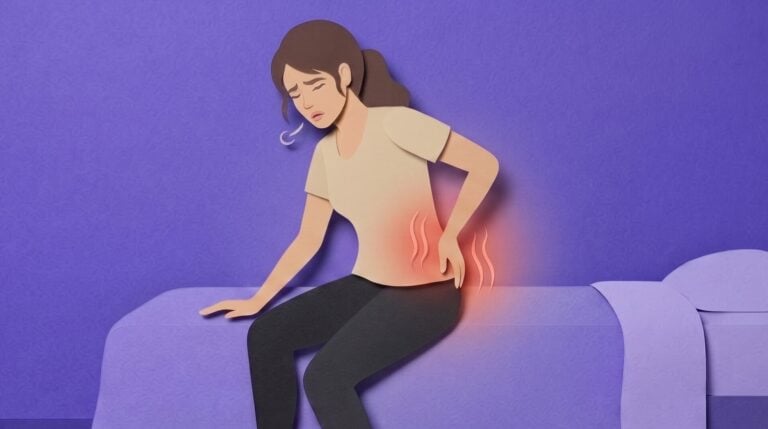
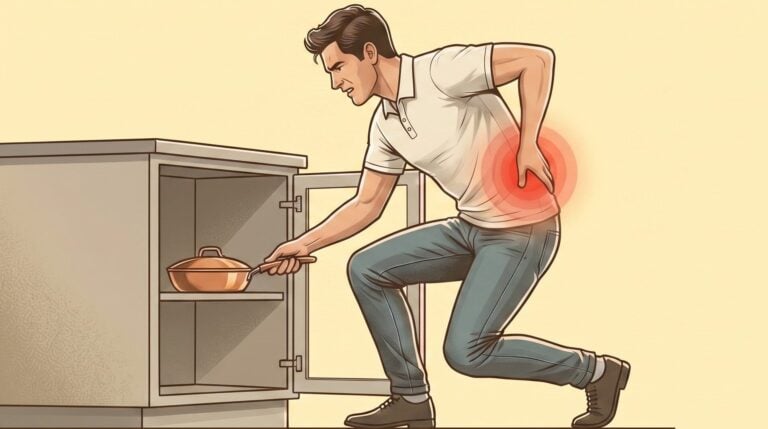
The driver’s seat is supposed to be comfortable, yet for many people it becomes a hidden source of daily pain. Whether you’re commuting to work, running errands, or driving long distances, your car seat can either support your body or slowly wear it down. Lower-back stiffness, hip soreness, numb thighs, and tailbone pressure are often brushed off as normal, but in reality, these issues are frequently caused by poor seat ergonomics.
Most factory-installed car seats are designed for an “average” body type. This means they often fail to provide proper posture support for drivers who are petite, tall, heavier-set, or aging. Over time, poor seating can affect circulation, spinal alignment, and joint health. Choosing the best cushion for driving isn’t about luxury, it’s about protecting your spine, improving comfort, and preventing chronic pain.
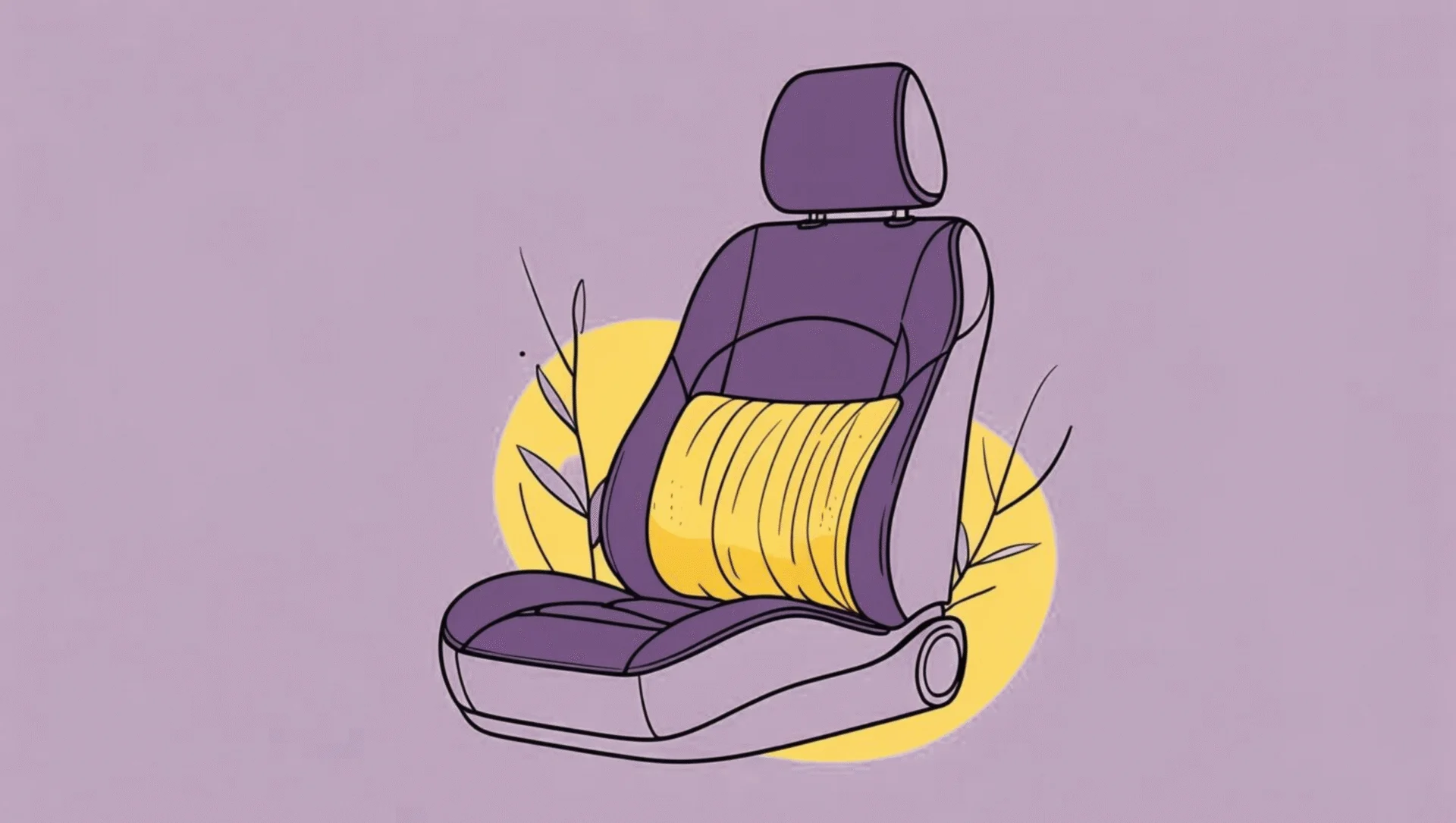
An ergonomic car seat cushion tailored to your body type distributes weight evenly, supports natural spinal curves, and reduces stress on sensitive areas like the lower back and tailbone. This guide explains exactly how to choose the right body type seat cushion based on your frame, age, and pain points.
Why Do Car Seat Cushions Matter as We Age?
As we age, spinal discs lose hydration and elasticity, increasing the risk of degenerative disc disease, arthritis, and spinal stenosis. Long periods of sitting, especially during daily commutes, compress the spine and aggravate nerve structures.
Expert Insight (Physiotherapist):
“Sustained sitting without lumbar support accelerates disc compression. A well-designed lumbar support cushion for car use can significantly reduce spinal load during driving.”
A supportive car cushion for seniors helps preserve lumbar curvature, reduce joint strain, and maintain mobility well into later years.
Common Pain Points: Lower Back, Tailbone, and Hips
- Lower back pain: Often caused by loss of lumbar lordosis
- Tailbone pain: Due to direct pressure on the coccyx
- Hip pain & sciatica: From pelvic instability and nerve compression
A high-quality tailbone pressure relief cushion with pelvic stabilization can dramatically improve driving comfort.
What Type of Car Seat Cushion Should You Use for Your Body Type?
Cushions for Petite Frames
Key Needs: Elevation, posture correction, visibility
Petite drivers often struggle with unsupported backs and slouched posture.
Recommended Features:
- Wedge-shaped or contoured cushions
- Firm, lightweight foam
- Optional height-adjustment inserts
Best Materials:
- High-resilience foam
- Supportive memory foam core
Avoid overly soft cushions that flatten easily.
Cushions for Average Body Types
Key Needs: Balanced support and pressure distribution
Drivers with average builds benefit from cushions that combine comfort with structure.
Recommended Features:
- Medium-density memory foam car cushion
- U-shaped coccyx cut-out
- Dual-layer foam construction
These options provide excellent posture support for drivers during both short and long trips.
Cushions for Heavier or Taller Individuals
Key Needs: Weight distribution, durability, cooling
Heavier or taller drivers exert more pressure on seat surfaces, increasing the risk of compression and instability.
Recommended Features:
- Extra-dense foam or gel-infused layers
- Weight rating of 250 lbs or more
- Wider seat dimensions
Best Options:
- Gel-infused foam cushions
- Reinforced orthopedic designs
Car Cushion Recommendations by Condition
| Condition | Recommended Cushion Type |
| Lower back pain | Lumbar-contoured memory foam cushion |
| Tailbone pain / coccydynia | U-shaped tailbone relief cushion |
| Sciatica | Wedge cushion with pelvic tilt |
| Arthritis | Gel-infused pressure-relief cushion |
| Post-surgery recovery | Orthopedic-grade foam cushion |
Memory Foam vs. Gel vs. Air Cushions: Comparison Table
| Feature | Memory Foam | Gel-Infused Foam | Air Cushions |
| Support | High | High | Medium |
| Pressure Relief | Excellent | Excellent | Moderate |
| Heat Control | Moderate | Excellent | Good |
| Durability | High | High | Medium |
| Adjustability | Low | Low | High |
| Best For | Chronic pain, posture | Long drives, hot climates | Short-term comfort |
Car Seat Cushion Buying Guide
Dimensions:
- Standard width: 16–18 inches
- Thickness: 1–2 inches for daily driving
Weight Rating:
- Check manufacturer limits (ideally 250–300 lbs for durability)
Cover & Warranty:
- Removable, washable covers
- Minimum 6–12 month warranty recommended
Installation & Setup Tips for Better Car Ergonomics
- Secure cushion using non-slip base or straps
- Ensure seat belts and airbags remain unobstructed
- Adjust seat height so hips are level with knees
- Pair with a lumbar roll if needed
Visual Suggestion: Body-type fit diagrams showing cushion placement for petite, average, and tall drivers
Driving Posture Mistakes to Avoid with Cushions
- Using cushions that are too thick
- Slouching despite lumbar support
- Ignoring seat distance from pedals
- Failing to adjust mirrors after seat elevation
Car Seat Cushion Care & Maintenance Tips
- Air out foam cushions weekly
- Wash covers every 2–4 weeks
- Avoid prolonged exposure to direct sunlight
- Replace cushions every 18–24 months
Age-Specific Tips for Reducing Driving-Related Pain
Adults (30s–40s): Preventive Care
Choose cushions that encourage neutral pelvic tilt and spinal alignment to prevent long-term issues.
Seniors: Managing Existing Pain
Orthopedic cushions with coccyx cut-outs, firm support, and slight elevation make driving safer and more comfortable.
Physiotherapist Tip:
“Start with 1–2 inches of seat elevation and reassess posture every few months.”
betterhood’s Holistic Take on Driving Wellness
At betterhood, we believe cushions are part of a larger movement strategy. Proper seating, regular breaks, hydration, and mindful posture work together to support aging well.
Final Thoughts: Choose Comfort That Supports Aging Well
The right car cushion for pain can transform your driving experience. By selecting a cushion based on your body type, age, and health needs, you protect your spine and improve daily comfort.
Small changes today create long-term freedom tomorrow. Invest in the right car seat cushion and drive pain-free for years to come. on the road ahead.
Frequently Asked Questions:
1. How do I know which car seat cushion suits my body type?
Match cushion density and contour to your weight, height, and common pressure areas. Consider whether you need more lumbar support, coccyx relief, or hip stabilization.
2. Is memory foam better than gel for car seat cushions?
It depends on your needs. Memory foam provides better conformity and pressure relief. Gel is ideal for heat reduction and dynamic support.
3. How often should you replace a car seat cushion?
Most quality cushions last 1–2 years. Replace if the foam loses shape, bottoming occurs, or support decreases.
4. Are orthopedic cushions good for everyday driving?
Yes. Orthopedic cushions offer targeted support for lumbar, sacral, and pelvic alignment, making daily driving more comfortable and posture-friendly.
References:
- https://www.ncbi.nlm.nih.gov/pmc/articles/PMC1122566/
- https://pubmed.ncbi.nlm.nih.gov/20656617/
- https://www.ncbi.nlm.nih.gov/pmc/articles/PMC5959691/
- https://pubmed.ncbi.nlm.nih.gov/29687954/
- https://pubmed.ncbi.nlm.nih.gov/24094294/
- https://pubmed.ncbi.nlm.nih.gov/25456717/
- https://www.ncbi.nlm.nih.gov/pmc/articles/PMC5077131/
- https://pubmed.ncbi.nlm.nih.gov/30889295/
- https://www.ncbi.nlm.nih.gov/pmc/articles/PMC9460709/
- https://pubmed.ncbi.nlm.nih.gov/27886980/