How Lumbar Support Helps Reduce Lower Back Pain: A Complete Guide
In this article
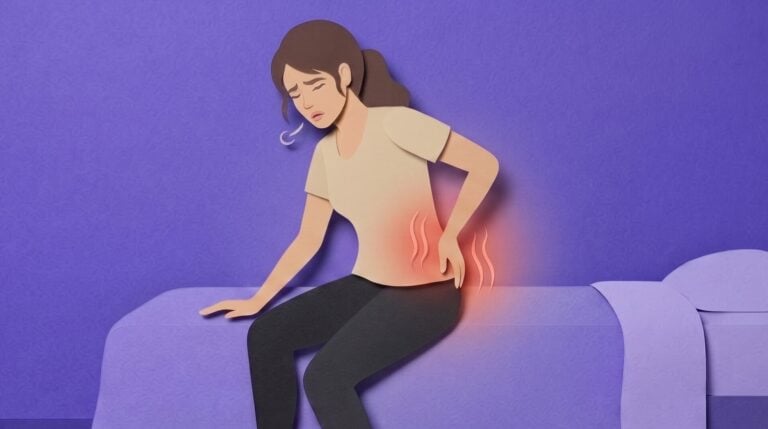
Lower back pain is one of the most common health complaints among working professionals and the elderly in India. From prolonged desk jobs to long commutes and sedentary lifestyles, multiple factors contribute to discomfort in the lower spine. One of the simplest yet most effective solutions to this problem is proper lumbar support.
This comprehensive guide explores how lumbar support works, its benefits, the types available, and how to use it correctly. Whether you’re dealing with occasional back pain or chronic discomfort, this article will help you understand how lumbar support can make a difference.
Understanding Lower Back Pain
Common Causes of Lower Back Pain
Lower back pain can stem from several factors, including:
- Poor posture while sitting or standing
- Prolonged periods of inactivity
- Weak core muscles
- Herniated discs or spinal injuries
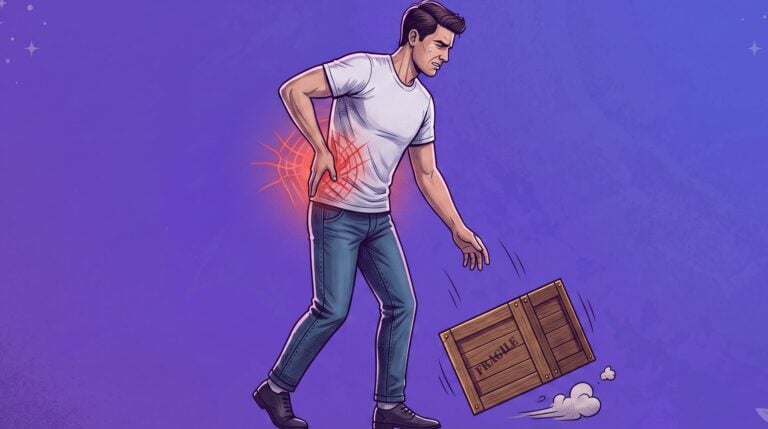
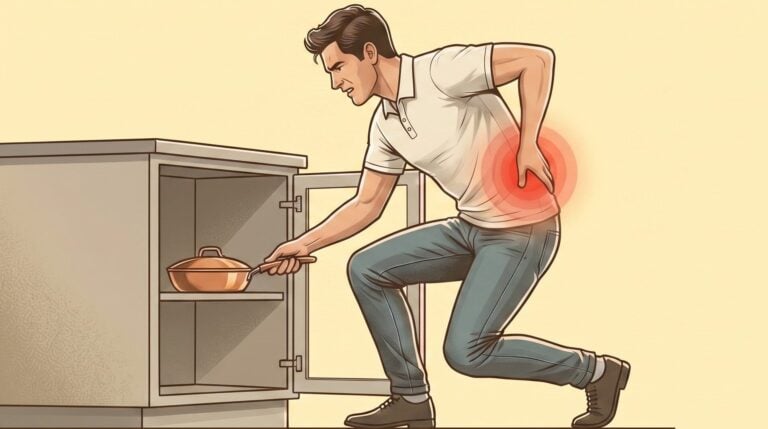
- Incorrect lifting techniques
- Obesity, which puts extra pressure on the spine
Impact of Poor Posture on Spine Health
When we slouch or sit for long hours without proper back support, our spine is forced out of its natural alignment. This misalignment puts pressure on the lower back, leading to pain, fatigue, and potential long-term damage.
What is Lumbar Support?
Definition and Purpose
Lumbar support refers to the additional support provided to the lower back (lumbar region) to maintain its natural curve. Its primary purpose is to relieve pressure on the spine, improve posture, and prevent or reduce pain in the lower back.
Types of Lumbar Support Devices
Lumbar Cushions
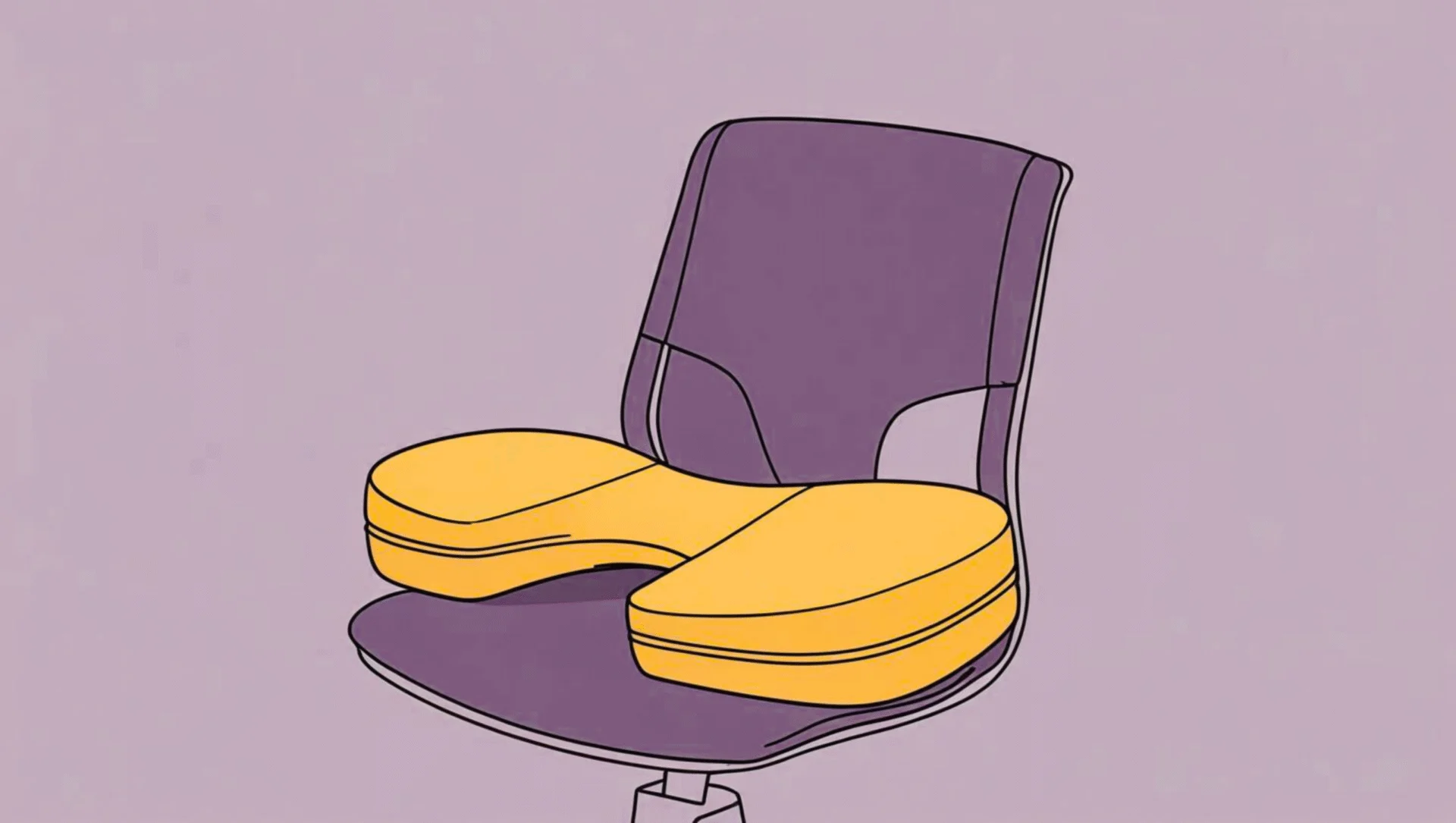
Portable and versatile, lumbar cushions are designed to fit onto chairs, sofas, or car seats. They are often made from memory foam or orthopedic materials.
Office Chair Support
Many ergonomic office chairs come with built-in lumbar support. Adjustable backrests or attachments can be added to enhance comfort during long working hours.
Car Seat Lumbar Support
Long drives or daily traffic in Indian cities can strain your back. Specialized car seat lumbar supports are available to provide comfort and maintain posture while driving.
Benefits of Lumbar Support
Promotes Proper Spine Alignment
Lumbar support helps maintain the natural “S” shape of the spine. By doing so, it prevents slouching and minimizes spinal stress.
Reduces Muscle Fatigue
When your spine is correctly supported, the muscles around your lower back don’t have to work as hard. This leads to less fatigue and better comfort throughout the day.
Alleviates Pressure on Lower Back
Lumbar support distributes your body weight evenly, reducing stress on specific pressure points in your lower back.
Encourages Better Sitting Posture
Using ergonomic lumbar support encourages you to sit upright with shoulders relaxed, helping develop long-term posture correction habits.
Choosing the Right Lumbar Support
Factors to Consider
- Material: Memory foam offers good contouring; mesh is breathable.
- Adjustability: Look for adjustable straps or firmness levels.
- Size: Ensure the cushion fits your chair or car seat.
- Portability: Lightweight designs are easier to carry across different settings.
Lumbar Support for Different Settings
At Work
Choose an ergonomic office chair or use a back support pillow that aligns with your spine. Sitting upright with your feet flat on the floor enhances the benefit.
While Driving
Use a lumbar support cushion designed for car seats. Ensure it’s positioned to fill the gap between your seat and lower back.
At Home
If you spend time reading or watching TV, opt for a firm cushion or a sofa with built-in lumbar support. Portable lumbar cushions work well here too.
How to Use Lumbar Support Effectively
Correct Placement
Position the lumbar support so it aligns with the curve of your lower back. It should support the area just above the waistline and below the ribcage.
Tips for Daily Use
- Use lumbar support consistently, especially during prolonged sitting.
- Adjust your seat height so your knees are level with or slightly below your hips.
- Take short breaks to stretch every 30-45 minutes.
Additional Ways to Reduce Lower Back Pain
Stretching and Strengthening Exercises
Incorporate regular exercises that strengthen your core, such as:
- Pelvic tilts
- Child’s pose
- Cat-cow stretch
- Glute bridges
Ergonomic Furniture
Using height-adjustable desks, footrests, or chairs with orthopedic back support can dramatically reduce strain on your spine.
Maintaining a Healthy Weight
Excess weight, especially around the abdomen, can shift your center of gravity and strain the lower back. Maintaining a healthy diet and regular activity can prevent this.
When to See a Specialist
If your lower back pain persists for more than a few weeks, or is accompanied by numbness, tingling, or weakness in your legs, consult an orthopedic specialist or physiotherapist. They can assess the issue more deeply and recommend specific treatments.
Conclusion
Lower back pain can significantly impact daily life, but using proper lumbar support can make a noticeable difference. By aligning the spine, reducing muscle fatigue, and encouraging good posture, lumbar supports are an essential part of an ergonomic lifestyle.
Whether you work from home, drive daily, or simply want to improve your spine health, incorporating a quality lumbar cushion or support pillow is a smart, affordable step.
Frequently Asked Questions:
1. Can lumbar support help with chronic lower back pain?
Yes, consistent use of lumbar support can significantly ease chronic pain by improving posture and reducing spinal stress.
2. Can using lumbar support prevent back problems in the future?
Yes, it encourages proper spine alignment and posture, which reduces the risk of developing back issues over time.
3. How often should I use lumbar support?
Use it every time you sit for an extended period, at work, while driving, or at home.
4. Are there specific exercises to complement lumbar support?
Yes, core-strengthening and stretching exercises like pelvic tilts and glute bridges complement the benefits of lumbar support.