Hidden Strain of Long Drives: How to Reverse the Damage to Your Body and Brain
In this article
- What Happens to Your Body During Long Drives?
- Driving Doesn’t Just Drain Your Body, It Drains Your Brain Too
- Long-Term Effects of Sedentary Driving
- Early Warning Signs You Shouldn’t Ignore
- How to Reverse the Damage ? One Habit at a Time.
- Long-Term Prevention for Healthy Aging
- When to Seek Medical Advice
- References:
Long drives silently wear down your spine and focus. Learn how to reverse the effects for better aging, posture, and cognitive health.
We don’t usually think twice about long drives. Whether it’s the daily commute or a spontaneous road trip, sitting behind the wheel has become part of our routine. But have you ever noticed how your back feels stiff after a few hours in the car? Or how your brain feels foggy after reaching your destination?
That’s not a coincidence.
Long drives put a surprising amount of strain on your body, especially your spine and posture. Over time, this can lead to back pain, joint stiffness, and even cognitive fatigue. Let’s take a closer look at what’s really happening during those long hours on the road and what you can start doing today to support your long-term health and well-being
What Happens to Your Body During Long Drives?
Muscle Stiffness and Pain
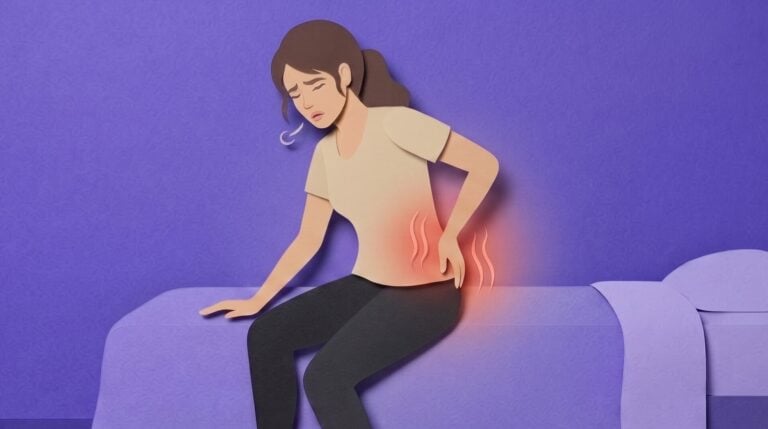
Prolong driving demands your body to stay still and focused. Your spine bears the weight of your upper body without much movement, which compresses your lower back over time. Plus, since there’s limited room to shift around, your muscles stay either too tight or too stretched, throwing off your balance and mobility.
Eye Strain from Constant Focus
Staring at the road for extended periods can make your eyes dry, tired, and strained. This often gets overlooked, but it contributes to that overall drained feeling you get after driving.
Fatigue and Drowsiness
Driving for hours, especially on monotonous highways requires full focus which often leads to mental fatigue.
Why Back, Neck & Hip Pain Are So Common?
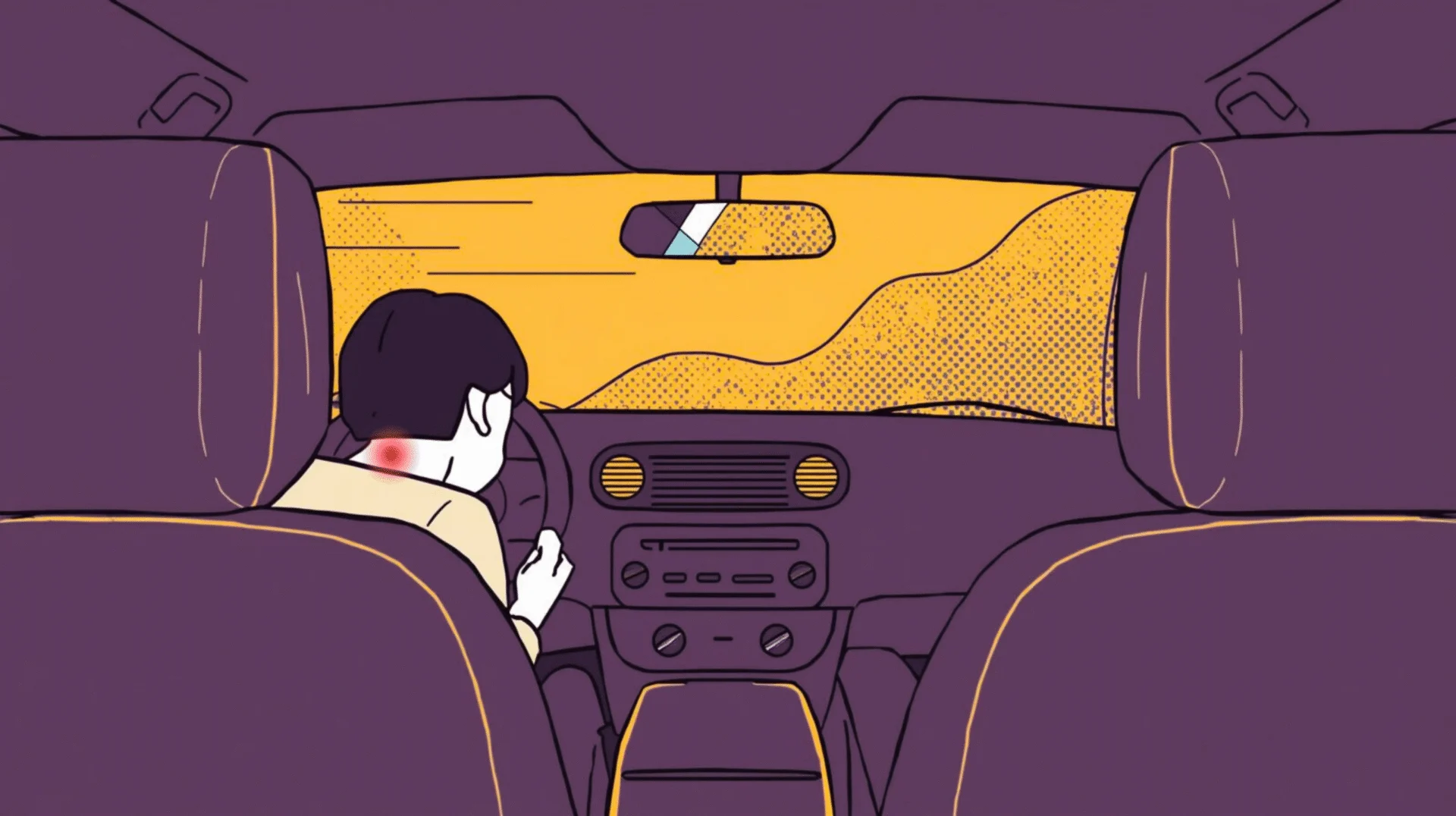
Spending too much time in the driver’s seat can mess with your spine alignment. The constant road vibrations, poor seat support, and slouched posture all add up, putting extra pressure on your lower back, hips, and shoulders.
Driving Doesn’t Just Drain Your Body, It Drains Your Brain Too
It’s easy to make the assumption that sitting in a car is relaxing. Driving isn’t just about keeping your foot on the gas and your hands on the wheel ,it is anything but passive. Your brain is constantly processing a flood of information , scanning for signals, watching traffic, and reacting to situations. That kind of ongoing attention causes cognitive fatigue, leaving you mentally drained well after the journey ends.
Pair that with limited movement, and you’ve got the perfect storm: tired body, foggy mind, and a spine that’s begging for some relief.
Long-Term Effects of Sedentary Driving
Your Spine Loses Flexibility
Your spine is built to move. When it stays still for too long, the cushioning discs between your vertebrae lose fluid and flexibility. Over time, this can lead to chronic back pain and reduced mobility.
Circulation Slows Down
Prolonged sitting, especially in the car, can reduce blood flow , particularly to your legs. This often shows up as stiffness, numbness, or a heavy feeling in your lower body.
Brain Health Can Take a Hit
Less movement means less oxygen-rich blood reaching the brain. That impacts your memory, attention span, and emotional balance all of which are essential for healthy, graceful aging.
Early Warning Signs You Shouldn’t Ignore
- Lower back pain after driving
- Neck or shoulder tension that lingers
- Tingling in your legs or feet
- General stiffness or restlessness after long trips
- Feeling mentally foggy or tired despite just “sitting”
These are subtle signs that your body (and brain) are under strain. Ignoring them can lead to postural problems, sleep disturbances, and long-term joint issues.
How to Reverse the Damage ? One Habit at a Time.
1. Fix Your Driving Posture
Let your seat support you, not stress you.
- Use a lumbar cushion for your lower back
- Adjust the seat height so your knees and hips stay level
- Sit tall, with your shoulders relaxed and back supported
Even small posture shifts can ease pressure off your spine.
2. Move More, Even in the Car
While driving, incorporate small movements:
- Do gentle neck rolls, ankle pumps, or shoulder shrugs
- Stretch your wrists and roll your pelvis slightly
- At red lights or stops, take a moment to realign your spine
At rest stops, take a short walk and stretch your legs,it helps more than you think.
3. Stretch It Out Post-Drive
After a long ride, take 5-10 minutes to move intentionally:
- Cat-cow stretches or gentle backbends
- Hip openers like lunges or deep squats
- Add some deep belly breathing to reset your nervous system
These simple stretches can help release built-up tension and restore balance.
4. Hydration & Nutrition Matter
Your muscles and joints need hydration to function well.
- Sip water regularly throughout the drive
- Choose snacks that reduce inflammation: think berries, nuts, seeds, and leafy greens
- Avoid excessive coffee and salty chips. They can dehydrate you faster and increase stiffness
Long-Term Prevention for Healthy Aging
Build a Spine-Friendly Fitness Routine
- Strengthen your core and glutes , they’re your posture’s foundation
- Add daily mobility work for your hips, shoulders, and spine
- Choose exercises that mirror real-life movements, like lunges or wall squats
This helps reverse sitting posture and support your joints better.
Consider Seeing a Physiotherapist
If you drive often and feel recurring aches, a physio can help identify the root cause and give you corrective movements to prevent long-term damage.
Healthy Aging Starts with Daily Awareness
It’s not about avoiding long drives , it’s about creating daily habits that support your spine and brain health. Pay attention to how you sit, move, and recover. Your future self will thank you.
When to Seek Medical Advice
If you’re experiencing:
- Back or neck pain that doesn’t go away
- Numbness or tingling that persists
- Sleep issues related to physical discomfort
It’s time to see a specialist. Posture assessments, spinal therapy, or rehab programs can help you heal and stay active.
Frequently Asked Questions
1. Why do I feel back pain after driving long distances?
Because sitting still compresses your spine and weakens supporting muscles.
2. Can driving impact cognitive health?
Yes. The mental strain plus physical stillness contributes to cognitive fatigue over time.
3. Do back cushions really help?
Absolutely. They support natural curves in your spine and help keep your posture aligned while you drive.
4. How do I prevent stiffness from long drives?
Move regularly, hydrate well, adjust your seat ergonomics, and stretch before and after.
References:
- Your spine compresses when you sit too long Long hours of sitting reduce hydration in spinal discs, leading to stiffness and long-term pain.
→ Dr. Michael Adams, University of Bristol, published in PubMed Central, 2005
Read the research - Road vibrations silently stress your back
Whole-body vibration from driving accelerates lumbar disc degeneration and back discomfort.
→ Dr. Elizabeth A. Badley, Institute for Work & Health, published in PubMed Central, 2022
Explore the study - Driving fatigue is real: and measurable
Electroencephalogram (EEG) scans confirm increased cognitive fatigue during prolonged driving.
→ Dr. A. Khalili, Tehran University, published via ResearchGate, 2021
View article - Mental focus drops during long drives
Sustained driving activates theta brain waves, indicating fatigue and slower reaction times.
→ Dr. Judith Oron-Gilad, Ben-Gurion University, published in Frontiers in Human Neuroscience, 2015
See the data - Fatigue impacts both judgment and safety
Cognitive strain while driving increases risk of errors and mental sluggishness.
→ Dr. Wei Zhang, Liberty Mutual Research Institute, published in Transportation Safety Review, 2023
Review findings - Sitting long hours contributes to low-back pain
Professional drivers are at higher risk of postural stress due to limited motion and prolonged sitting.
→ Dr. David Coggon, University of Southampton, published in Occupational Medicine, 2005
Read more - Lumbar support cushions actually help
Lumbar cushions enhance spinal alignment and reduce muscle strain in seated positions.
→ Dr. Dapeng Ren, Nanjing Tech University, published in MDPI Bioengineering, 2023
Explore the study