Gentle Back Pain Exercises For Seniors to Stay Pain-Free
In this article
- Why Back Pain Is More Common in Seniors ?
- How Gentle Exercises Help Reduce Back Pain Safely
- Best Stretching Exercises for Senior Back Pain Relief
- Strengthening Exercises to Support the Aging Spine
- Low-Impact Aerobic Activities
- Balance and Stability Exercises to Prevent Falls
- Yoga and Gentle Movements
- Safety Tips for Seniors Doing Back Pain Exercises
- Lifestyle Changes That Support Long-Term Back Health
- Conclusion
- References:
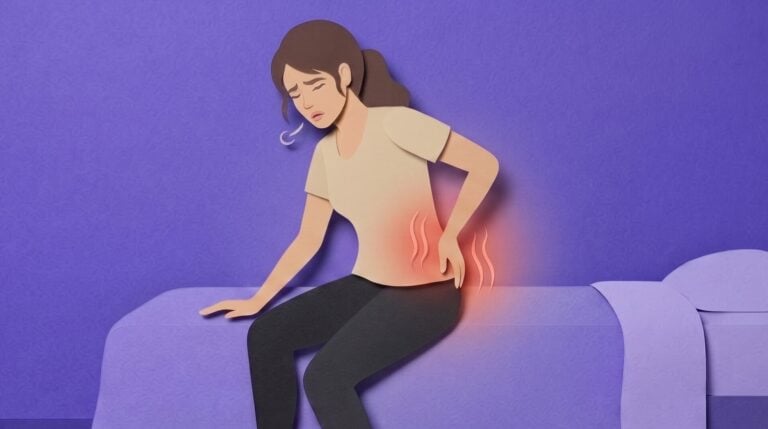
As we age, our bodies naturally undergo changes that can make everyday movements more difficult. Stiff joints, weaker muscles, and a slower recovery process can all contribute to discomfort, particularly in the back. Among seniors, back pain is one of the most common health concerns, often linked to conditions such as osteoarthritis, spinal degeneration, or simply the result of decades of wear and tear. According to the World Health Organization, musculoskeletal conditions are among the leading causes of disability in older adults, with chronic back pain being a major contributor [1].
The good news is that back pain does not have to mean the end of an active, independent lifestyle. While medication and medical interventions can sometimes be necessary, many seniors find that gentle, low-impact exercises and movements provide significant relief. These activities not only target pain reduction but also improve flexibility, strength, and overall well-being. In fact, experts emphasize that staying active is one of the most effective strategies for managing chronic back pain in older adults [2].
Pain relief activities designed specifically for seniors focus on safety, simplicity, and consistency. They are not high-intensity workouts; instead, they are carefully chosen movements that reduce stiffness, improve circulation, and strengthen supportive muscles. For example, gentle stretching helps loosen tight areas, while strengthening exercises for the core and hips take pressure off the lower back. Even something as simple as walking or practicing balance exercises can dramatically improve the quality of life.
It’s important to note that every individual is different. Seniors should always consult with a healthcare provider before starting new routines, particularly if they have chronic conditions like osteoporosis, heart disease, or severe arthritis. However, with the right guidance and gradual progression, these activities can become a powerful tool in regaining mobility, reducing reliance on pain medications, and maintaining independence.
This article explores the best pain relief activities for seniors, highlighting stretches, strengthening routines, balance practices, and lifestyle modifications. We’ll also discuss safety tips, address common questions, and provide evidence-based guidance for integrating these movements into daily life.
Why Back Pain Is More Common in Seniors ?
Back pain in older adults can be attributed to a variety of age-related changes and lifestyle factors. Some of the most common causes include:
- Spinal degeneration – The natural wear and tear of spinal discs and joints can lead to stiffness and discomfort.
- Osteoporosis – A reduction in bone density makes the spine more fragile and prone to fractures.
- Weakened muscles – Aging often leads to loss of muscle mass, particularly in the core, hips, and lower back.
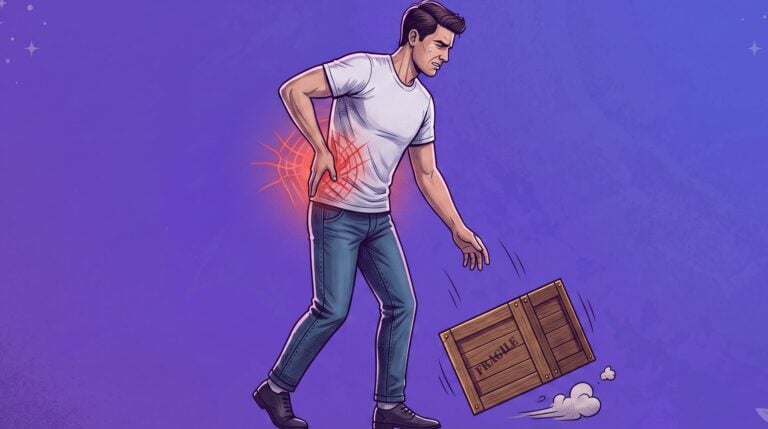
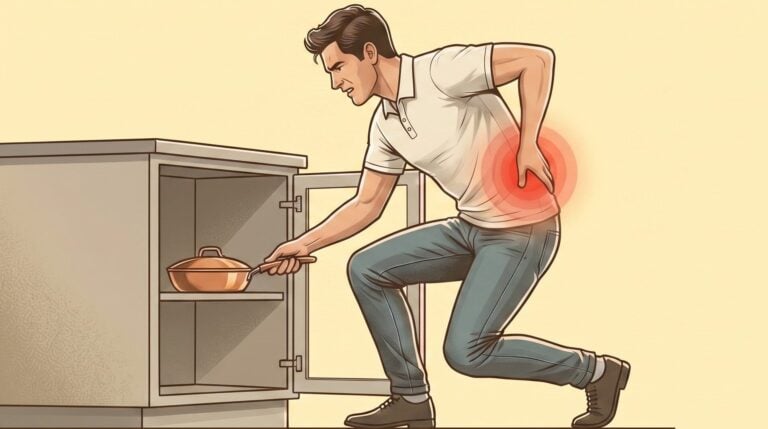
- Poor posture – Years of slouching, lifting incorrectly, or sitting for long periods contribute to imbalances.
- Reduced flexibility – Tight hamstrings, hips, and back muscles can restrict movement and increase pain.
Understanding these causes helps in tailoring activities that not only relieve pain but also address underlying weaknesses.
How Gentle Exercises Help Reduce Back Pain Safely
Gentle exercises for elderly back pain work by restoring movement without overwhelming aging joints or muscles. Low-impact movements improve circulation, which delivers nutrients to spinal tissues and helps reduce inflammation. Controlled stretching relieves muscle tightness, while light strengthening supports the spine and improves posture.
Unlike high-intensity workouts, senior mobility exercises prioritize slow, deliberate movements that respect the body’s limits. This approach lowers injury risk while still improving flexibility, strength, and coordination.
Engaging in gentle, structured routines provides multiple benefits:
- Reduced Pain and Stiffness: Light stretches and mobility exercises ease tension in tight muscles.
- Improved Posture: Strengthening the core supports spinal alignment.
- Enhanced Mobility: Regular movement prevents stiffness and increases range of motion.
- Better Balance: Activities like tai chi reduce fall risks by improving stability.
- Boosted Confidence: Being able to move with less discomfort encourages independence.
- Improved Circulation: Back pain exercise helps blood flow, supporting healing and joint health.
Best Stretching Exercises for Senior Back Pain Relief
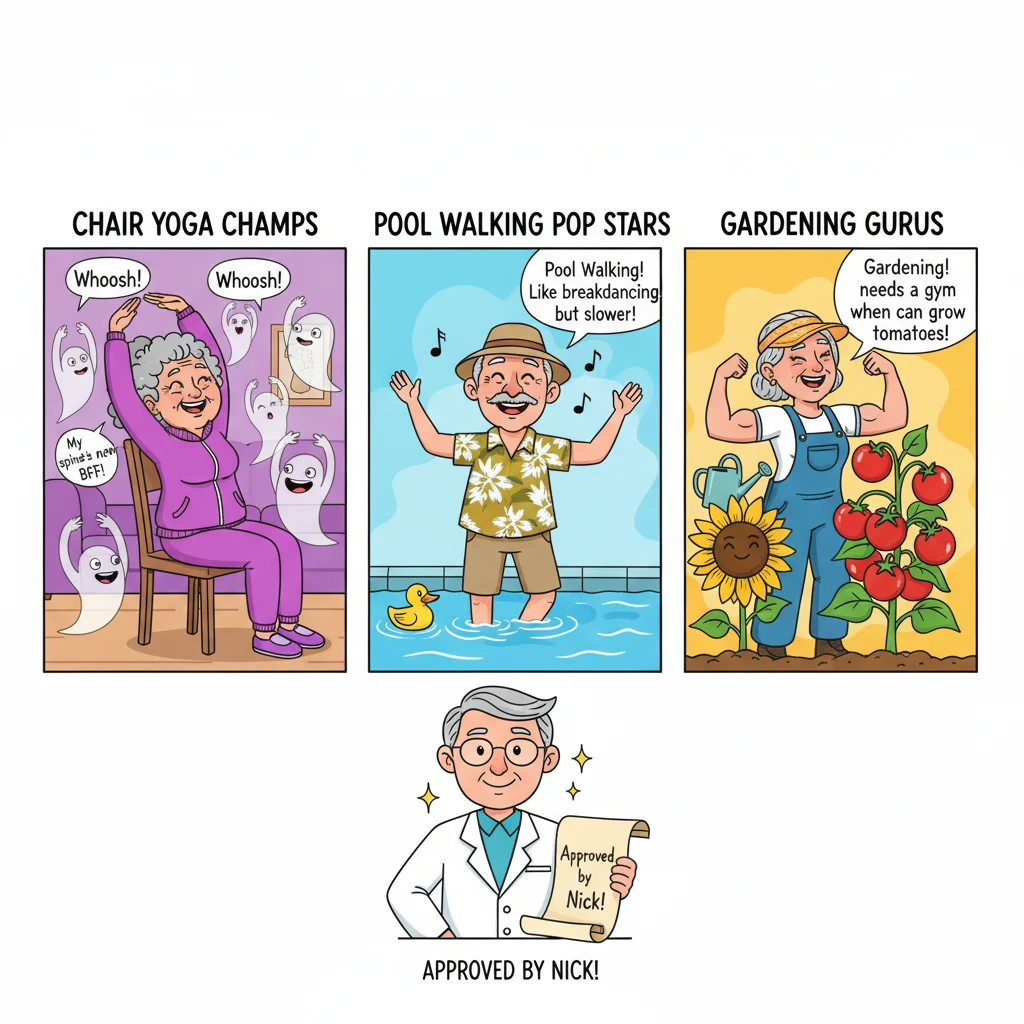
Stretching is one of the safest and most effective back pain relief activities for seniors. These movements keep muscles elastic and prevent stiffness that worsens pain.
Senior-friendly stretching routines include:
- Seated forward stretches to gently decompress the lower back
- Cat-cow movements to improve spinal mobility
- Hamstring stretches to reduce tension pulling on the pelvis and spine
- Seated side bends to loosen tight spinal muscles
Performed regularly, these stretches improve posture, increase range of motion, and make everyday movements easier.
Strengthening Exercises to Support the Aging Spine
A strong spine needs equally strong muscles around it. Core exercises for elderly people emphasizes on engaging the abdominals, hips as well and glutes to transfer load so that it is not put into the lower back.
Effective strengthening exercises include:
- Pelvic tilts to activate deep core muscles
- Glute bridges to support the lumbar spine
- Seated knee lifts to improve abdominal engagement
- Gentle standing exercises that improve hip stability
These low-impact exercises for older adults help maintain balance, reduce strain on spinal joints, and protect against future injury.
Low-Impact Aerobic Activities
Cardiovascular movement increases circulation, reduces stiffness, and helps maintain healthy weight.
Examples:
- Walking – Daily walks improve circulation and flexibility.
- Swimming or Water Aerobics – Buoyancy reduces strain while providing full-body exercise.
- Cycling on a Stationary Bike – Gentle on joints and effective for building endurance.
Balance and Stability Exercises to Prevent Falls
Balance exercises for elderly individuals are critical for preventing falls, which can worsen back pain and reduce independence. Poor balance often leads to compensatory movements that strain the spine.
Helpful balance activities include:
- Heel-to-toe walking for coordination
- Standing leg raises with chair support
- Tai chi for posture, stability, and controlled movement
Improving balance enhances confidence in daily activities and supports safer, pain-free movement.
Yoga and Gentle Movements
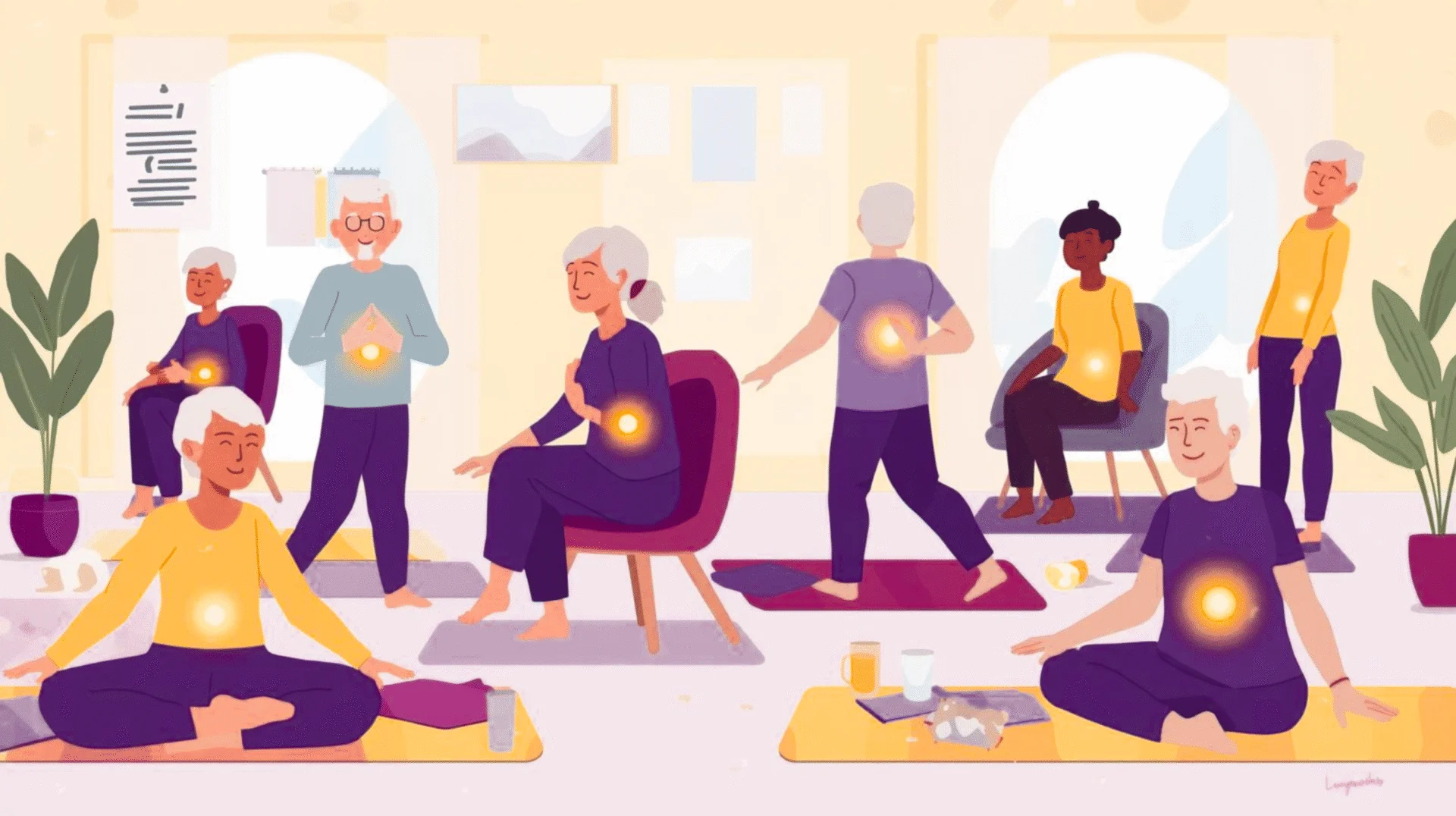
Yoga combines stretching, strengthening, and breathing, ideal for seniors dealing with back pain.
Poses to Try:
- Child’s Pose – A gentle stretch for the spine.
- Supine Spinal Twist – Loosens tension in the lower back.
- Seated Side Stretch – Opens up tight oblique and spinal muscles.
Safety Tips for Seniors Doing Back Pain Exercises
Safety is essential when introducing new movement routines. Seniors should:
- Always warm up before exercising.
- Start with short sessions (5–10 minutes) and progress gradually.
- Use supportive surfaces like yoga mats or soft flooring.
- Avoid movements that cause sharp pain.
- Stay hydrated.
- Consult a physiotherapist for personalized routines [3].
Lifestyle Changes That Support Long-Term Back Health
Exercise works best when combined with healthy daily habits. Simple pain-free aging tips include:
- Ergonomic chairs – Reduce slouching while sitting.
- Proper footwear – Supportive shoes ease spinal pressure.
- Sleep hygiene – A good mattress helps keep the spine aligned.
- Regular breaks – Avoid sitting too long; move every 30 minutes.
These adjustments reduce repetitive strain and support long-term spinal health.
Conclusion
Back pain in seniors is common, but it does not have to control daily life. With consistent, safe, and gentle activities, seniors can regain mobility, reduce discomfort, and improve their overall quality of life. The key is starting small, being consistent, and listening to the body’s signals. Over time, these movements not only provide pain relief but also strengthen the body, improve confidence, and enhance independence.
Rather than seeing back pain as an inevitable part of aging, seniors can take active steps to manage and even prevent discomfort. Combining stretching, strengthening, balance exercises, and mindful practices like yoga offers a holistic approach to spinal health. Supported by lifestyle changes and professional guidance, these pain relief activities become more than just exercise, they become a pathway to a healthier, happier, and more independent life in the golden years.
Looking for more tips? Don’t miss these related guides.
- /learn/can-a-compression-belt-really-fix-your-back/
- /learn/how-heat-therapy-belts-work-to-soothe-pain/
Frequently Asked Questions:
Most seniors benefit from performing back pain exercises for seniors 3–5 times per week, with light stretching done daily for mobility.
Seniors should avoid high-impact movements, heavy lifting, sudden twisting, or exercises that cause sharp pain or instability.
Many seniors notice reduced stiffness within 2–4 weeks of consistent practice, though results vary depending on condition and consistency.
No special equipment is required. Most senior mobility exercises can be done using a chair, mat, or wall for support.
A doctor should be consulted if there is severe pain, recent injury, osteoporosis, numbness, or existing medical conditions that affect movement.
Yes, but they should prioritise low-impact exercises like swimming, tai chi, or walking, and avoid high-intensity moves.
References:
- World Health Organization. (2019). Musculoskeletal health. Retrieved September 22, 2025, from https://www.who.int/news-room/fact-sheets/detail/musculoskeletal-conditions
- National Institute on Aging. (2021). Exercising with chronic pain: What older adults should know. U.S. Department of Health and Human Services. Retrieved September 22, 2025, from https://www.nia.nih.gov/health/exercising-chronic-pain
- Mayo Clinic. (2021). Back pain: Self-care. Retrieved September 22, 2025, from https://www.mayoclinic.org/diseases-conditions/back-pain/diagnosis-treatment/drc-20369906