From Traffic to Screens: Why Your Neck Hurts?
In this article
- Why Neck Pain Is So Prevalent
- How Daily Traffic Impacts Your Neck
- How Screen Time Is Ruining Your Neck
- When The Pressure Is Too Much On Your Neck
- Daily Habits That Can Make Your Neck Pain Worse
- How to Ease Neck Pain on Busy Days
- Neck Stretches You Can Try
- Helpful Products That May Support
- Persistent neck pain: When it needs attention
- FAQ’s
- Conclusion
- References
Many Indians wake up, commute, and end their weekday in front of a screen. Be it stuck in a traffic jam in Bengaluru, making your way through the crowded streets of Mumbai or taking the Delhi metro. Or even if you are working long hours at your desk. Your neck is taking more stress than you think.
A stiff neck after a long day might seem like a minor nuisance. However, frequent neck pain can affect concentration, productivity, sleep quality and even everyday activities. The problem is that the tension is generally from multiple sources throughout the day. A long commute to work, hours in front of a laptop, constant use of a smartphone and bad posture while working can all add up.
Modern lifestyles have greatly increased the amount of time people spend in fixed positions. Technology and transportation have made life easier, but they have also created new problems for musculoskeletal health. [1]
If you have ever wondered why your neck is tight after work, why it feels uncomfortable to turn your head after a commute, or why you feel stiff after screen time, then you need to know the causes first before you can be relieved.
Why Neck Pain Is So Prevalent
Those with physically demanding jobs are no longer the only ones to experience neck pain. Neck pain is a common problem these days for office workers, students, drivers, people who work from home, entrepreneurs, gamers and even homemakers.
The head weighs about 4 to 5 kg and is supported by the neck. That may not sound like much, but poor posture can add a lot of extra stress to the muscles and joints of the neck. [2]
Some common modern habits that cause neck discomfort include:
- Long hours of laptops
- Gazing down at smartphones
- Long Car Rides or Commutes
- Bad workstation setup
- From beds or sofas
- Tension muscle tightness
- Not enough action during the day
These habits may cause stiffness, muscle tightness, and less flexibility over time.
How Daily Traffic Impacts Your Neck
Long before arriving at the office, millions of professionals start their work day.
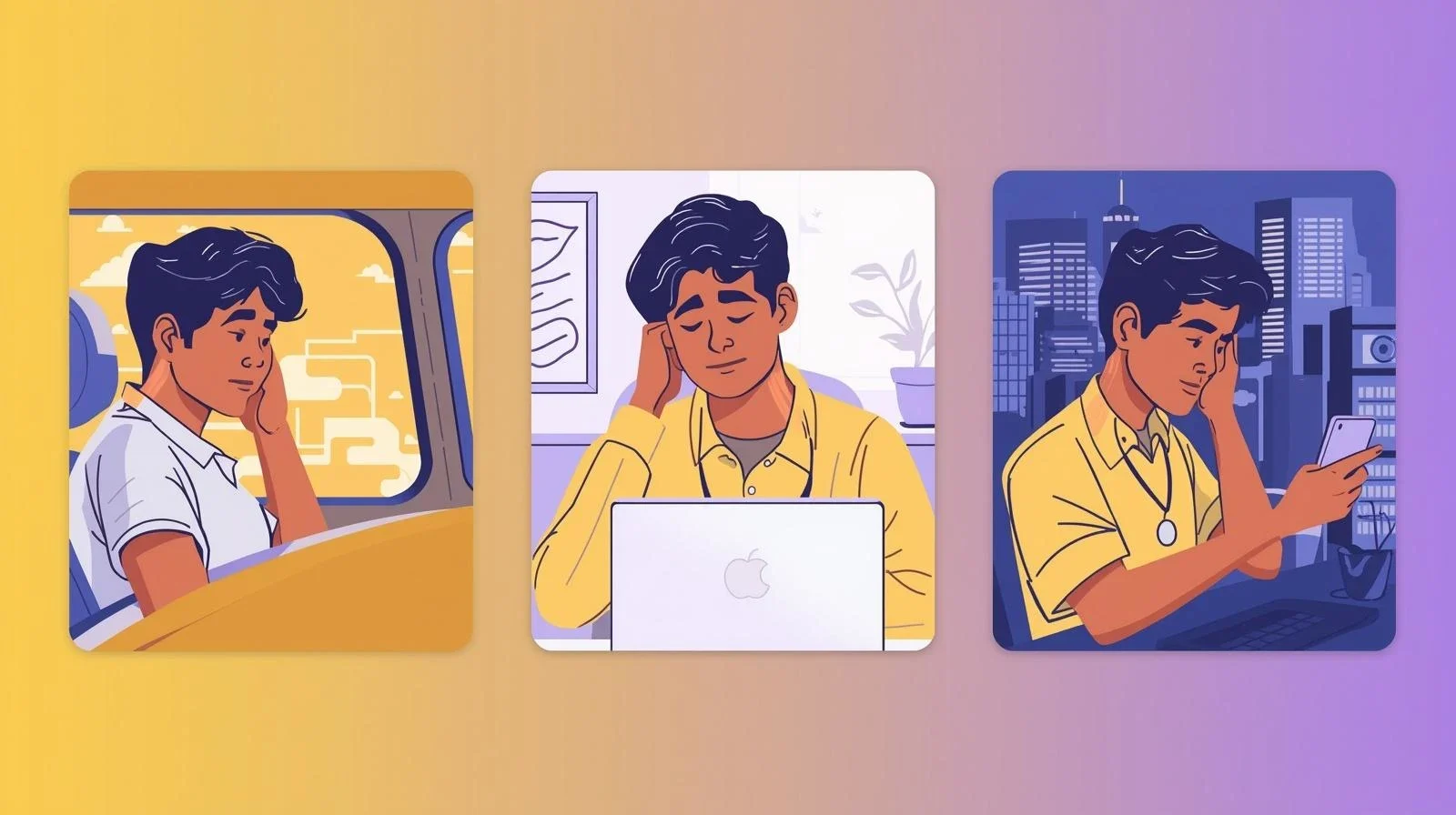
Commuting in cities like Bengaluru, Mumbai, Hyderabad, Pune and Delhi can easily take one to three hours every day. Being stuck in traffic for long periods of time keeps the body in a static position and can lead to increased muscle fatigue and stiffness.
Neck Pain and Driving
“Many people unknowingly assume driving postures that increase the pressure on the neck.
For example:
- Bending forward over the steering wheel
- Keeping the head in one position for long times
Shoulders up while driving
Traffic conditions and frequent mirror checks
And these repeated actions can cause tightness in the muscles that surround the neck and upper back.
Two-wheeler transportation problems
The riders of motorcycles and scooters face even more challenges.
The neck muscles can be stressed by frequent braking, road vibrations, helmet weight and
balance in heavy traffic.
Long-distance riding often results in stiffness in the neck, shoulders and upper back.
Public Transport and Posture
Even those who take a bus, train or metro can be uncomfortable.
Long periods of standing, looking down at phones or carrying heavy bags can increase strain on the neck and shoulders.
How Screen Time Is Ruining Your Neck
And when you get to the office, many people spend most of the day looking at screens.
An average office worker may spend 8 to 10 hours on a laptop and some more hours on smartphones or tablets at home. [3]
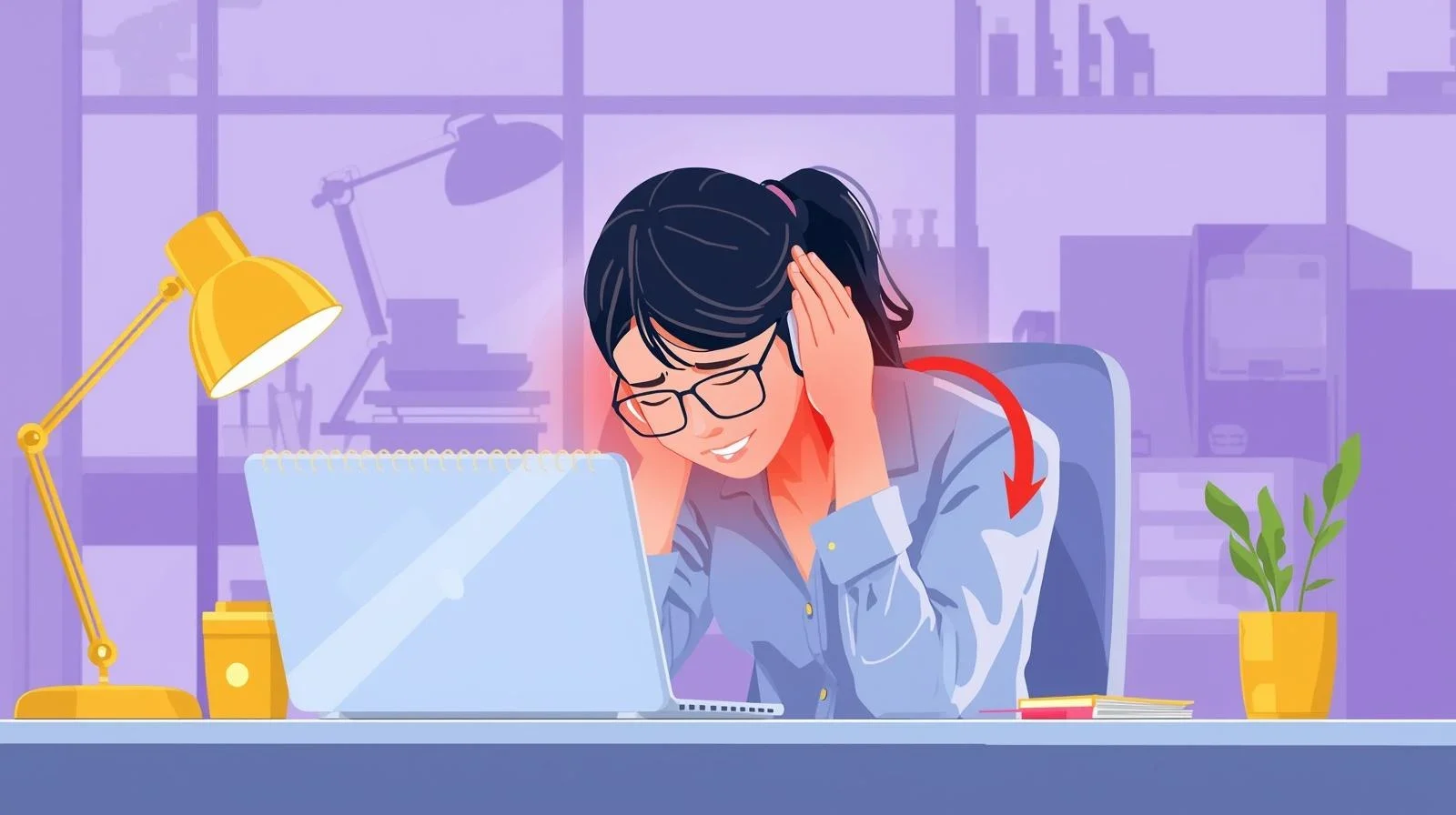
The constant exposure to the screen often affects posture.
The Trouble with Looking Down
The head leaning forward places more strain on the neck.
Research has shown that when the head is pushed forward, the neck muscles have to work harder to support the weight. [4]
This position is commonly linked with:
- Neck stiffness
- Shoulder, tight
- Pain in the upper back
- Headache
- Mobility impairment
Laptop Placement Counts
A lot of people work with their laptop below their eye level.
So they spend hours looking downwards. This puts constant strain on the neck and upper back.
One of the most common ergonomic mistakes in modern workplaces is poor screen positioning.
Smartphone Use and “Tech-Neck”
Smartphones have become a must in everyday life.
Many of us spend several hours a day looking down at our phones, whether we’re scrolling social media, replying to messages, reading news or watching videos.
This constant posture has created what is commonly referred to as “tech neck“. [4]
This is an informal term, but it does demonstrate how having your head down for a long period of time can lead to neck pain.
When The Pressure Is Too Much On Your Neck
The body usually gives warning signs before the discomfort becomes severe.
Symptoms may include:
- Stiff neck
- Hard to turn head.
- Tightness in the shoulders
- Upper Back pain
- Headaches, frequent
- Musculoskeletal Pain
- Screen fatigue
- Driving discomfort
- Limited neck movement
The symptoms develop gradually, so it’s easy to overlook them.
Daily Habits That Can Make Your Neck Pain Worse
Some habits might be causing increased neck strain without people even knowing it.
Working without Rest
A lot of professionals get in the zone and sit for hours.
Muscles can get tired and tight when they are not used. [5]
Not Using Multiple Monitors Properly
The constant looking back and forth between the screens can also add to the neck muscle strain.
This is normal for people working with dual monitor setups.
Eyes on Phones Before Bed
Late-night scrolling often keeps the neck forward for extended periods of time.
This in conjunction with fatigue can contribute to morning stiffness.
Heavy Bag Carrying
Heavy backpacks, laptop bags and shoulder bags can affect posture and increase muscle tension.
Muscle tightness and stress
‘Mental stress can cause physical tension.
Many people unconsciously tense muscles around the shoulders and neck during stressful periods. [6]
How to Ease Neck Pain on Busy Days
Small changes can have a big impact.
Upgrade your workstation environment
The screen should be at eye level as much as possible
This helps to minimise the need to bend the neck downwards.
Regular movement breaks.
Try standing, stretching or walking every 30 to 60 minutes. [5]
Movement helps to reduce muscle stiffness and promotes circulation.
Maintain a Better Driving Posture
In the vehicle:
- Sitting with backrest support
- Set mirrors correctly
- Relax your shoulders
- Don’t lean forward.
Good posture can help avoid unnecessary strain.
Continuous phone-use limit
Hold the phone higher, so you don’t have to look down for long stretches of time.
Small changes can help cut down on repetitive stress.
Keep Physically Active
Exercise on a regular basis to help keep muscles strong and flexible.
Walking, yoga, stretching and strength training can support better posture and general comfort.
Neck Stretches You Can Try
Gentle stretching can help ease tension from long periods of sitting or driving.
Side Neck Stretch:
Tilt your head slowly to one shoulder and hold it for a moment.
Repeat on both sides.
Chin Tuck
Gently draw the chin back, keeping the head level.
This exercise may help improve posture.
Shoulder Rotations
Relax the shoulders by rolling them forward and backward.
Upper Trapezius Stretch
This stretch targets muscles often affected by long hours at the desk.
Chest Opener Stretch
Open up the chest to help combat the rounded shoulder position that accompanies sitting in front of a screen.
Helpful Products That May Support
As well as good habits, some people use supportive products to add to the comfort of everyday life.
- Neck Support Pillows
These pillows are designed to encourage neck alignment while sleeping.
- Ergonomic laptop riser
Laptop stands help bring screens higher up closer to eye level.
- Postural Support Devices
Some individuals use posture support products to aid in awareness of slouching behaviours.
- Neck Pillows for Travel
Many people who travel frequently use neck pillows to make their travel more comfortable.
- Sprays and Patches for Pain Relief
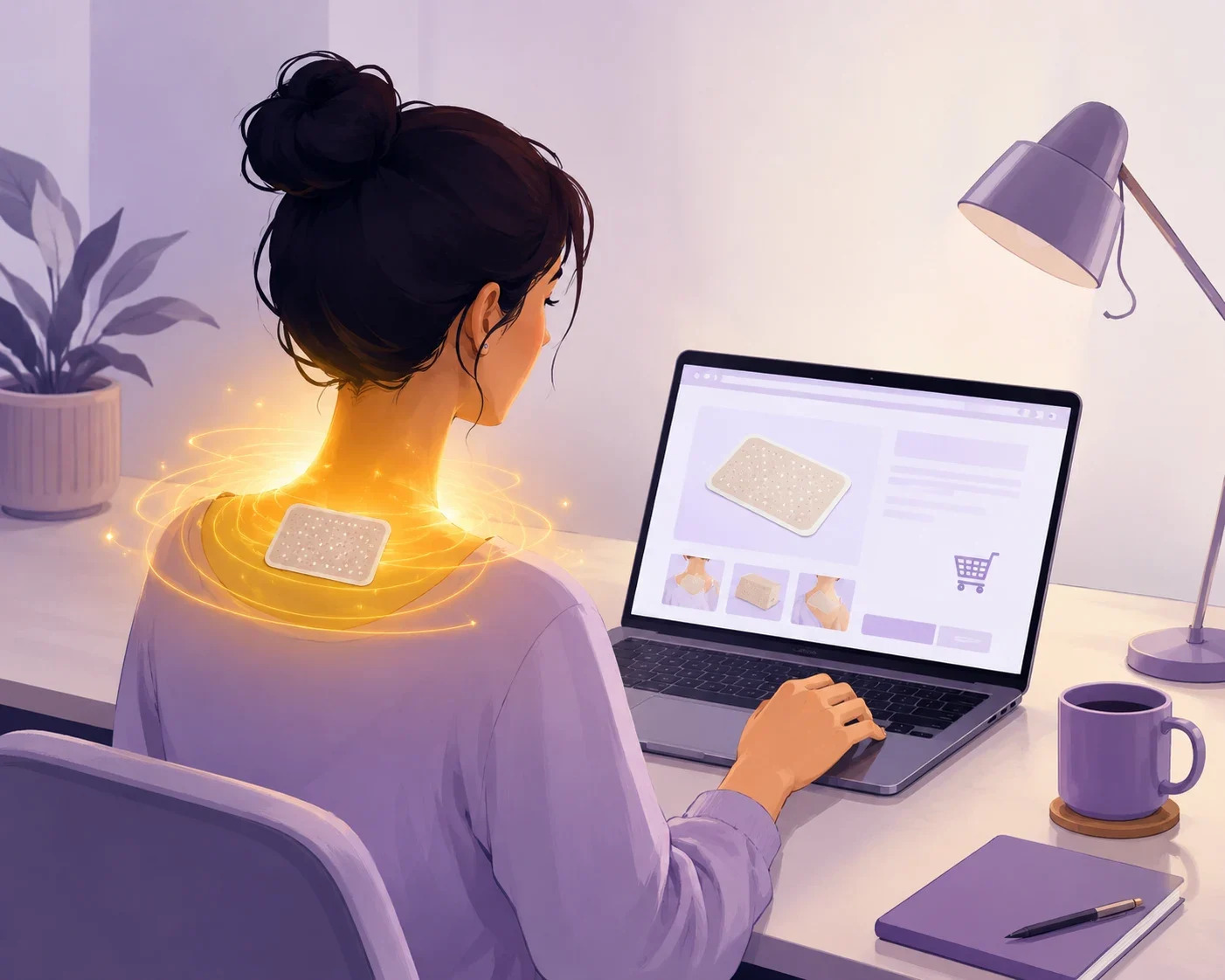
Many people, after long days, want a little relief and reach for a cooling spray, roll-on or patch.
Persistent neck pain: When it needs attention
Some stiffness after long days at work may be common.
But you shouldn’t ignore lingering symptoms.
Search for whether:
- Pain continues for weeks
- Mobility is constricted
- Symptoms disrupt work
- Discomfort and sleep
- Headaches become regular
Professional advice can be useful to identify contributing factors and appropriate management options. [7]
FAQ’s
Yeah. Sitting in a car for long periods or commuting can cause muscle stiffness and postural strain.
Spending long periods of time looking down at a screen can strain the neck muscles.
“Tech neck” is neck pain that comes from spending too much time looking at phones, tablets and computers.
Stress can cause increased muscle tension in the neck and shoulders.
Many professionals suggest taking a break or stretching every 30-60 minutes during long periods of screen time.
Yeah. Over time, poor posture can put extra stress on the muscles and joints of the neck.
Conclusion
Modern life can be hard on the neck: busy commuting in traffic and in front of screens. What starts as some occasional stiffness can become an ongoing problem when bad posture, long periods of sitting, and screen habits pile up.
The good news is small changes can make a big impact. Improving workstation ergonomics, taking movement breaks, stretching regularly, maintaining good driving posture and staying physically active may help reduce daily strain.
Your neck works hard to support you all throughout the day; taking care of it can help increase comfort, mobility and overall wellness.
References
World Health Organization. (2024). Physical activity and sedentary behaviour. https://www.who.int
Cleveland Clinic. (2024). Neck pain causes and prevention. https://my.clevelandclinic.org
Harvard Health Publishing. (2024). Screen time and musculoskeletal health. https://www.health.harvard.edu
National Institutes of Health. (2023). Forward head posture and neck strain research. https://www.nih.gov
Mayo Clinic. (2024). Office ergonomics and posture recommendations. https://www.mayoclinic.org
Johns Hopkins Medicine. (2024). Stress and muscle tension. https://www.hopkinsmedicine.org
American Academy of Orthopaedic Surgeons. (2024). Neck pain overview. https://orthoinfo.aaos.org