Flat Foot Insoles: The Ultimate Guide For Support, Pain Relief & Aligned Feet

In this article
- What are the Flat Foot Correction Insoles?
- How Flat Feet Cause Pain
- Flat Foot Correction Insoles: How They Work
- Are Flat Foot Correction Insoles Effective in Treating Flat Feet?
- What Symptoms Can Be Treated by Flat Foot Insoles?
- Levellin Footwear & Flat Foot Correction Insoles.
- May also be confused with:Types of Flat Foot correction insoles
- Custom vs Over-The-Counter Flat Foot Orthotics
- Flat Foot Correction Insoles: What to Look For
- Shoes Matter Too
- How Long To Wear Flat Foot Insoles?
- Do Flat Foot Fixing Insoles Work?
- Flat Foot Insoles Combine With Exercises
- When to See a Doctor
- FAQs
- Conclusion
- References
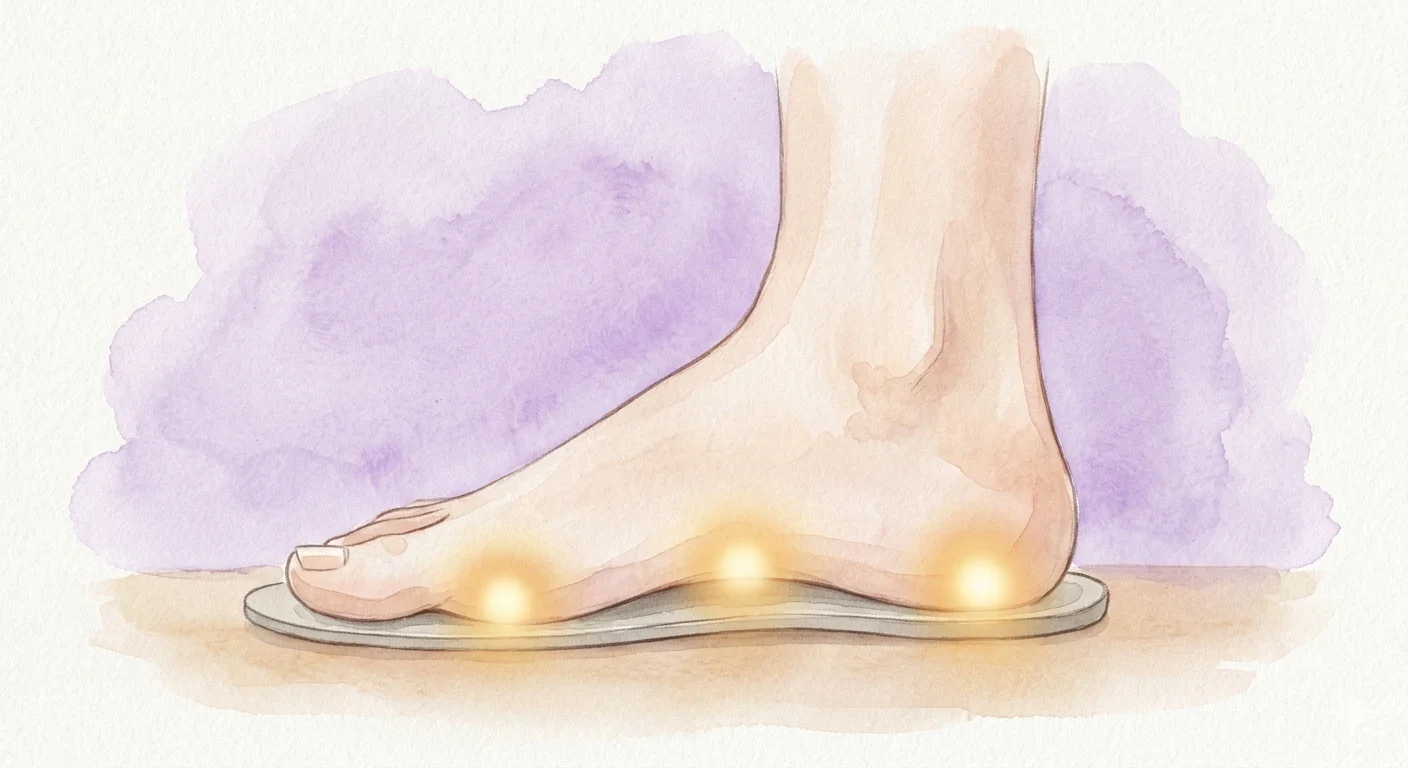
What are Flat foot correction insoles? Flat feet (fallen arches) occur when the inner arch of the foot collapses or remains low on standing. Some with flat feet have no symptoms, but others feel pain, fatigue or strain that may radiate beyond the foot to the ankles, knees, hips and lower back. [1]
Insoles for flat foot correction are usually prescribed as a conservative treatment. They do this by propping up the arch, redistributing the pressure and so improving the biomechanics of how your foot works as you walk or stand. These are usually made out of softer material and provide comfort while helping to maintain the right foot posture, although they won’t ultimately reshape the foot. Rather, they help control symptoms and facilitate daily movement. [1]
What are the Flat Foot Correction Insoles?
Foot correction insoles are shoe inserts designed to provide arch support and stabilize the foot. They are built to control and limit the excessive inward rotation of the foot (commonly referred to as overpronation), which occurs frequently in those with flat feet.
These insoles usually include:
- built-in arch support
- heel cushioning
- structured midfoot support
- shock-absorbing materials
- stabilizing base
They can be used in:
- walking shoes
- sneakers
- work shoes
- running shoes
- casual footwear
These shoes are structurally designed to lift the arch and leave the foot in a more comfortable position for standing, walking and being active. [1]
How Flat Feet Cause Pain
Flat feet affect the distribution of weight throughout the foot. More pressure is directed toward the heel and midfoot rather than being distributed between the heel, arch, and forefoot. This added stress can irritate tissues, strain muscles and alter alignment.
Flat feet may lead to:
- heel pain
- arch strain
- foot fatigue
- ankle discomfort
- knee stress
- shin pain
- lower back discomfort
Sometimes, when the arch collapses, the foot rolls inwards (over pronation) more than what is normal. This can put stress on ligaments and tendons, including the plantar fascia, which runs along the bottom of the foot. Over time, this strain can lead to pain while walking or standing for extended periods of time. [1]
Correction insoles support the foot arch and counteract this excessive foot motion.
Flat Foot Correction Insoles: How They Work
There are many ways in which flat foot insoles can alleviate pain and improve the functioning of the foot.
Arch Support
Arch support is the primary feature of flat foot insoles. That raises the arch slightly and takes pressure off muscles and ligaments.
Pressure Distribution
Insoles help to distribute weight more evenly across the foot by supporting the midfoot. This alleviates stress on the heel and forefoot.
Shock Absorption
Most insoles have cushioning layers, which absorb the impact of walking and standing.
Improved Alignment
Supporting the arch can help improve overall alignment of the foot and lower leg.
Reduced Fatigue
Better support limits overuse of muscle, which may reduce tiredness in the feet.
Such benefits may assist with comfort when doing daily activities, especially for those who stand for long hours on end. [4]
Are Flat Foot Correction Insoles Effective in Treating Flat Feet?
Insoles for Flat Foot Correction Do Not Fix Flat Feet Forever According to NHS guidance, insoles may help alleviate pain but do not alter foot shape. Likewise, Mayo Clinic states that arch supports may provide comfort but will not correct flatfeet. [1]
This means:
- insoles help manage symptoms
- they help support the arch during use
- they do not rebuild the arch
- benefits depend on consistent wear
Even so, insoles can still have a noticeable impact on comfort and mobility.
What Symptoms Can Be Treated by Flat Foot Insoles?
Flat foot correction insoles may be beneficial for individuals with:
- arch pain
- heel pain
- tired feet
- discomfort after long standing
- ankle strain
- mechanics of the foot related to knee pain
- foot soreness during walking
- plantar fascia strain
- overpronation
These symptoms often resolve when there is support under the arch and loads are better distributed. [1]
Levellin Footwear & Flat Foot Correction Insoles.
Flat foot insoles can be beneficial for:
- people with flexible flat feet
- workers who stand all day
- retail workers
- healthcare workers
- teachers
- runners with flat feet
- people with arch fatigue
- individuals with mild heel pain
people whose pain is alleviated by supportive footwear
These are typically used as an initial step prior to more intense interventions. [1][4]
May also be confused with:Types of Flat Foot correction insoles
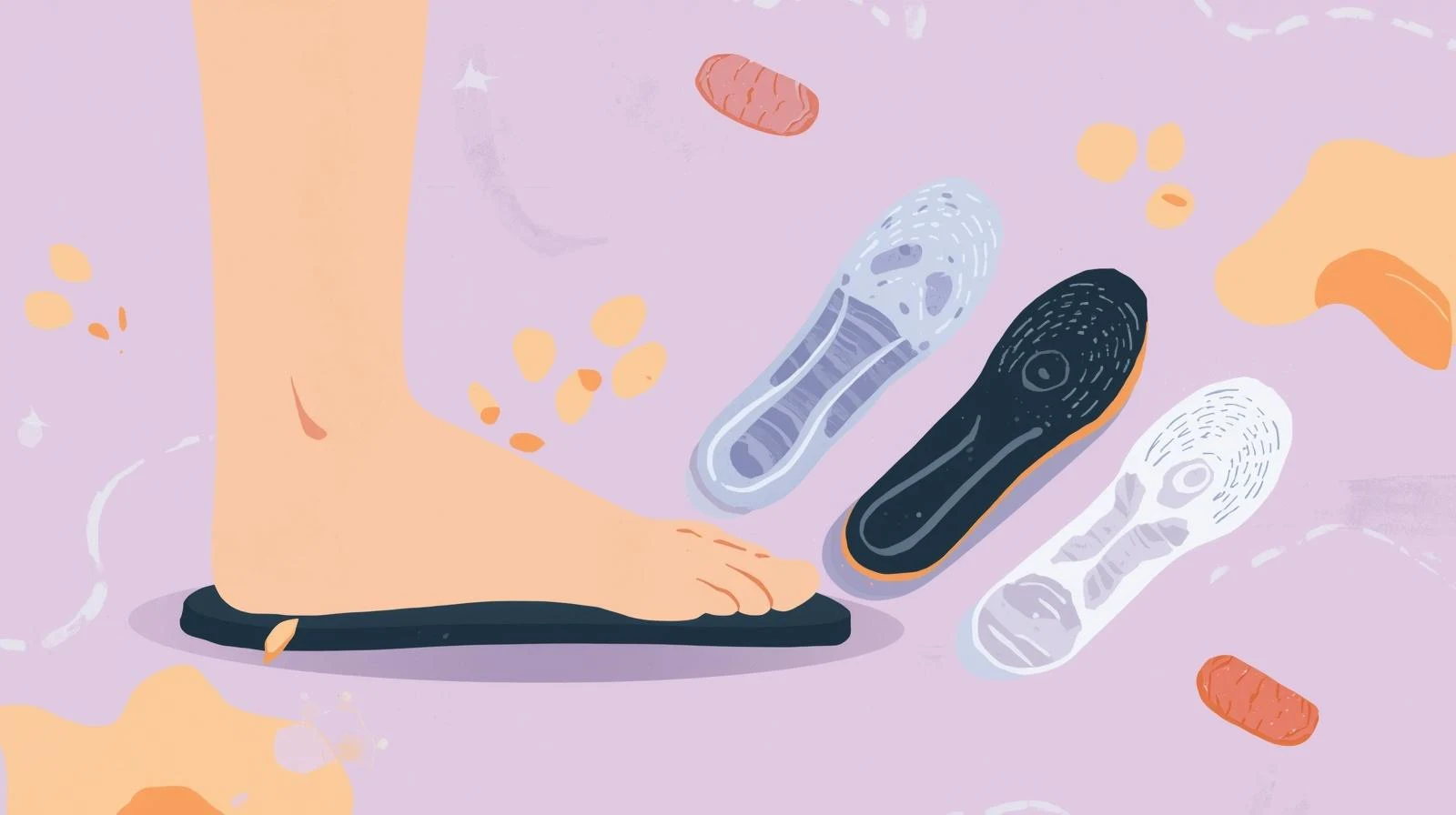
Insoles for flat feet come in different styles. The best type to choose, it likely depends on comfort and support needs.
Arch Support Insoles
They offer structured support beneath the arch. These are primarily recommended in the case of mild to moderate flat feet.
Best for:
- everyday use
- mild discomfort
- general support
Cushioned Insoles
These are more focused around shock absorption and comfort. They may aid people who stand on hard surfaces.
Best for:
- long standing
- foot fatigue
- mild flat feet
Firm Orthotic Insoles
These offer greater structure and stability. They help guide foot motion.
Best for:
- moderate flat feet
- alignment support
- overpronation
Gel Flat Foot Insoles
These offer cushioning and moderate support.
Best for:
- comfort-focused support
- daily wear
- light activity
Custom Orthotics
They are custom made to your foot shape. They might be recommended if symptoms continue.
Best for:
- severe flat feet
- ongoing pain
- uneven foot mechanics
Depending on symptoms, both nonprescription and custom arch support can be used, according to Mayo Clinic. [1]
Custom vs Over-The-Counter Flat Foot Orthotics
Over-the-Counter Insoles
Those are already made and readily available.
Advantages:
- affordable
- easy to replace
- suitable for mild symptoms
- available in many sizes
These options provide relief for many people.
Custom Orthotics
These are made for your feet, specifically.
Advantages:
- personalized fit
- targeted support
- may help persistent pain
But they are generally more expensive and not always required.
Most recommend starting by trying over-the-counter insoles. [1]
Flat Foot Correction Insoles: What to Look For
Choosing the right insole is important. Look for:
- firm but comfortable arch support
- heel cushioning
- stable base
- breathable material
- proper size
- durable design
The insole should:
- fit inside shoes comfortably
- not crowd the toes
- not get too aggressive on the arch
- feel supportive but not painful
I suppose comfort is the biggest factor. [2]
Shoes Matter Too
Arch support shoes are ideal to pair with flat foot insoles. According to NHS, it is best to wear supportive structured well-fitting shoes with enough room for you insoles. [2]
Good shoes should include:
- firm heel counter
- supportive sole
- cushioning
- enough depth for insoles
- proper width
Shoes lacking support can render insoles less effective.
How Long To Wear Flat Foot Insoles?
Daily Flat Foot Inserts for Most People: But it’s best to ease into it.
Suggested approach:
- wear for 1 to 2 hours initially
- increase gradually
- use in walking shoes
- avoid sudden full-day use
- replace worn insoles
Gradual adaptation helps prevent discomfort.
Do Flat Foot Fixing Insoles Work?
Research results vary. For use in adults with flatfoot, strong evidence is limited for foot orthoses, according to a systematic review. This means results may vary from person to person. [5]
However:
- many people report comfort improvement
- insoles reduce pressure
- arch support improves stability
- often recommended in conservative care
They are still among the most common noninvasive options.
Flat Foot Insoles Combine With Exercises
Insoles are often most effective when used in conjunction with stretching and strengthening.
Helpful exercises may include:
- calf stretches
- plantar fascia stretches
- toe curls
- towel scrunches
- arch strengthening
- ankle mobility exercises
You may work them to strengthen your feet and improve their flexibility. [1]
When to See a Doctor
Medical advice may also be beneficial if:
- pain persists
- walking becomes difficult
- The body is out of balance; one foot is worse than the other
- swelling develops
- insoles do not help
- pain worsens
Advanced options are generally only pursued after less invasive treatment approaches have been attempted. [1]
FAQs
They can lessen pain and increase comfort, but they do not cure flat feet. [1]
No. Insoles provide support, not structural change. [2]
Clause most people do, but start off slow. [2]
They can also help with persistent symptoms but over-the-counter insoles often do the trick. [1]
Yes. People with flat feet can have their alignment affected, increasing strain on the joints of the body. [1]
Conclusion
Flat foot insoles can be flat in shape, providing arch support, reducing pressure and increasing comfort for people with flat feet. They are commonly used as a conservative treatment alone or in combination with supportive shoes and stretching.
They don’t permanently fix flat feet, but they can ease strain and make walking and standing more comfortable. Usually, a practice that includes consistent use, proper footwear and gradual adjustment yields the best results. [1][4]
References
- Mayo Clinic. Flatfeet: Diagnosis and treatment. Used in: arch supports, custom orthotics, and conservative care.
https://www.mayoclinic.org/diseases-conditions/flatfeet/diagnosis-treatment/drc-20372609 - NHS. Flat feet. Used in: insoles help pain but do not change foot shape, supportive shoes, and gradual use.
https://www.nhs.uk/conditions/flat-feet/ - Guy’s and St Thomas’ NHS Foundation Trust. Foot insoles overview. Used in: insole support and cushioning.
https://www.guysandstthomas.nhs.uk/health-information/foot-insoles - American Academy of Orthopaedic Surgeons. Progressive collapsing foot deformity (flatfoot). Used in: orthotics and alignment support.
https://orthoinfo.aaos.org/en/diseases–conditions/progressive-collapsing-foot-deformity-flatfoot/ - Herchenröder, M., et al. (2021). Evidence for foot orthoses for adults with flatfoot: a systematic review. Used in: evidence limitations.
https://www.ncbi.nlm.nih.gov/pmc/articles/PMC8628393/