Best Arch Support Insoles for Standing All Day Pain-Free
In this article
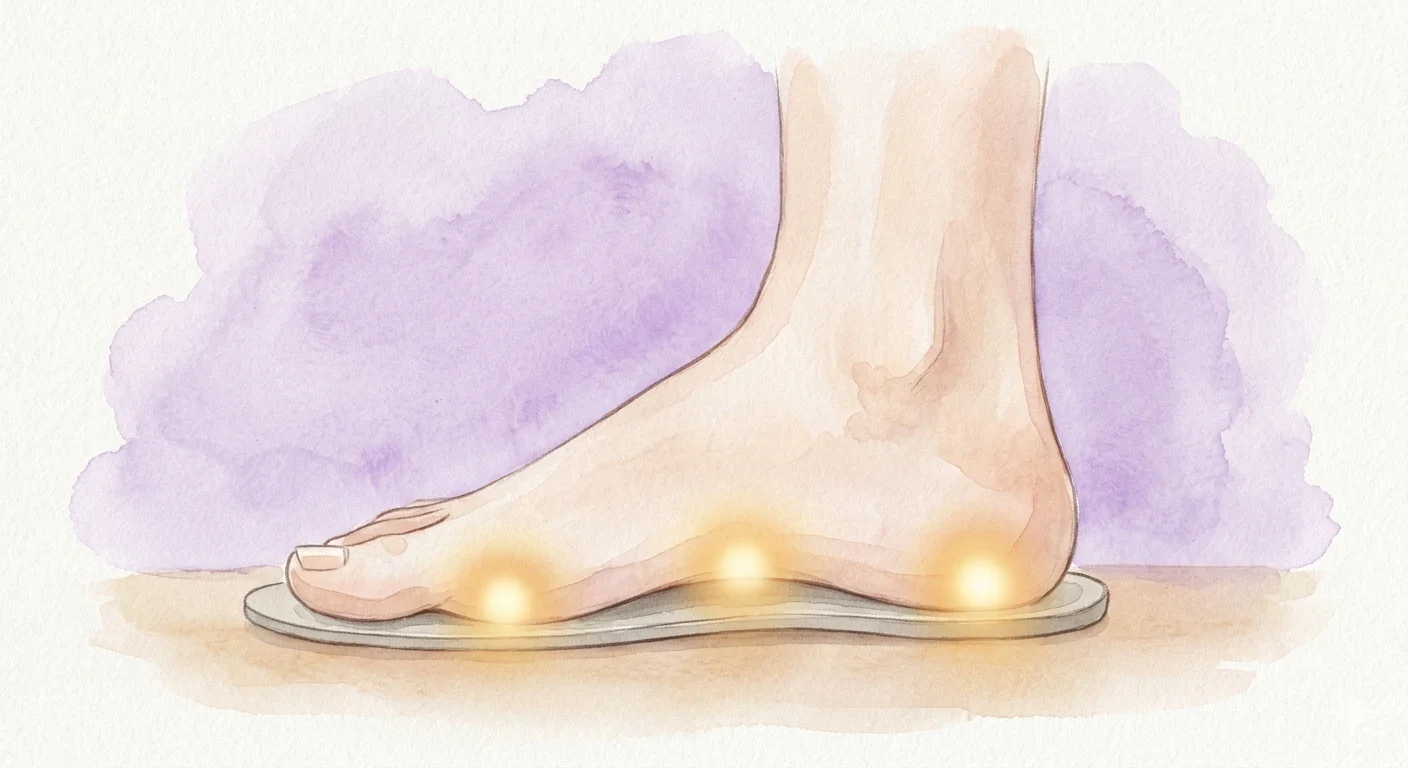
Standing for so many hours might seem harmless if only a part of your routine daily activities. Long-standing hours, however, actually harm your feet, legs, and lower back even from seemingly innocuous activities. Support of the arch is a major aspect of relief of this stress. Without proper support, the arch collapses with each step and leads to foot fatigue, stiffness, and more severe conditions like plantar fasciitis or shin splints. This is why many people use the best arch support insoles to maintain stability and reduce pain during long hours of standing.
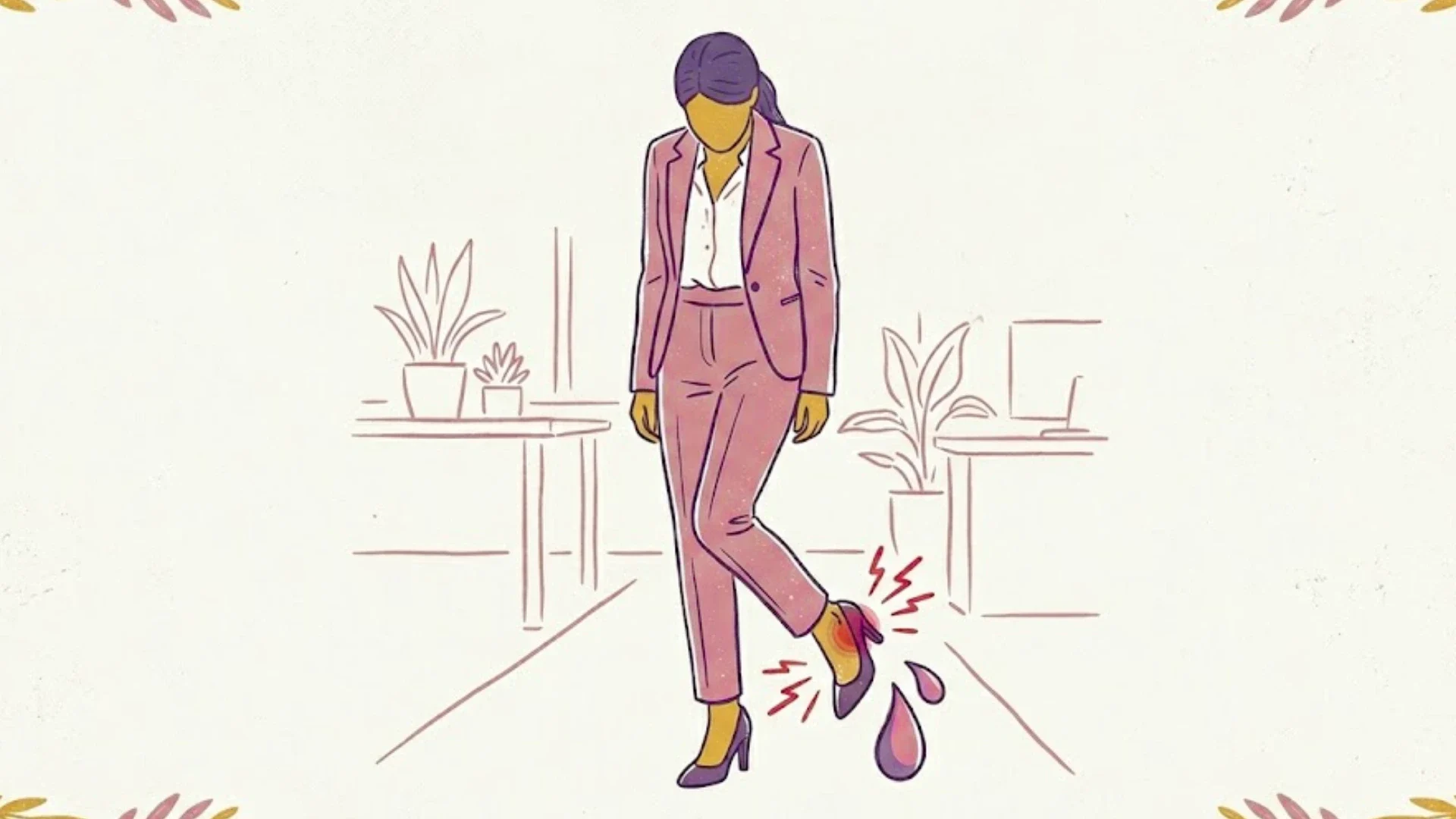
When your arches are unsupported, your body attempts to compensate in unhealthy manners. You could have pain in your knees or hips, a slight deviation in your gait, or an achy, tired sensation in the bottom of your lower back by the time the workday ends. These pains are not merely the aftereffects of the day’s work; they are warning signs leading up to the pain that your feet are not receiving the structural support that they require.
There are supporting studies for the biomechanical advantages of organized arch support, particularly in work environments with prolonged standing [1]. Insoles with sufficient support distribute body weight more evenly, reduce focal pressure in heels and the forefoot, correct posture, and simplify joint stress [2].
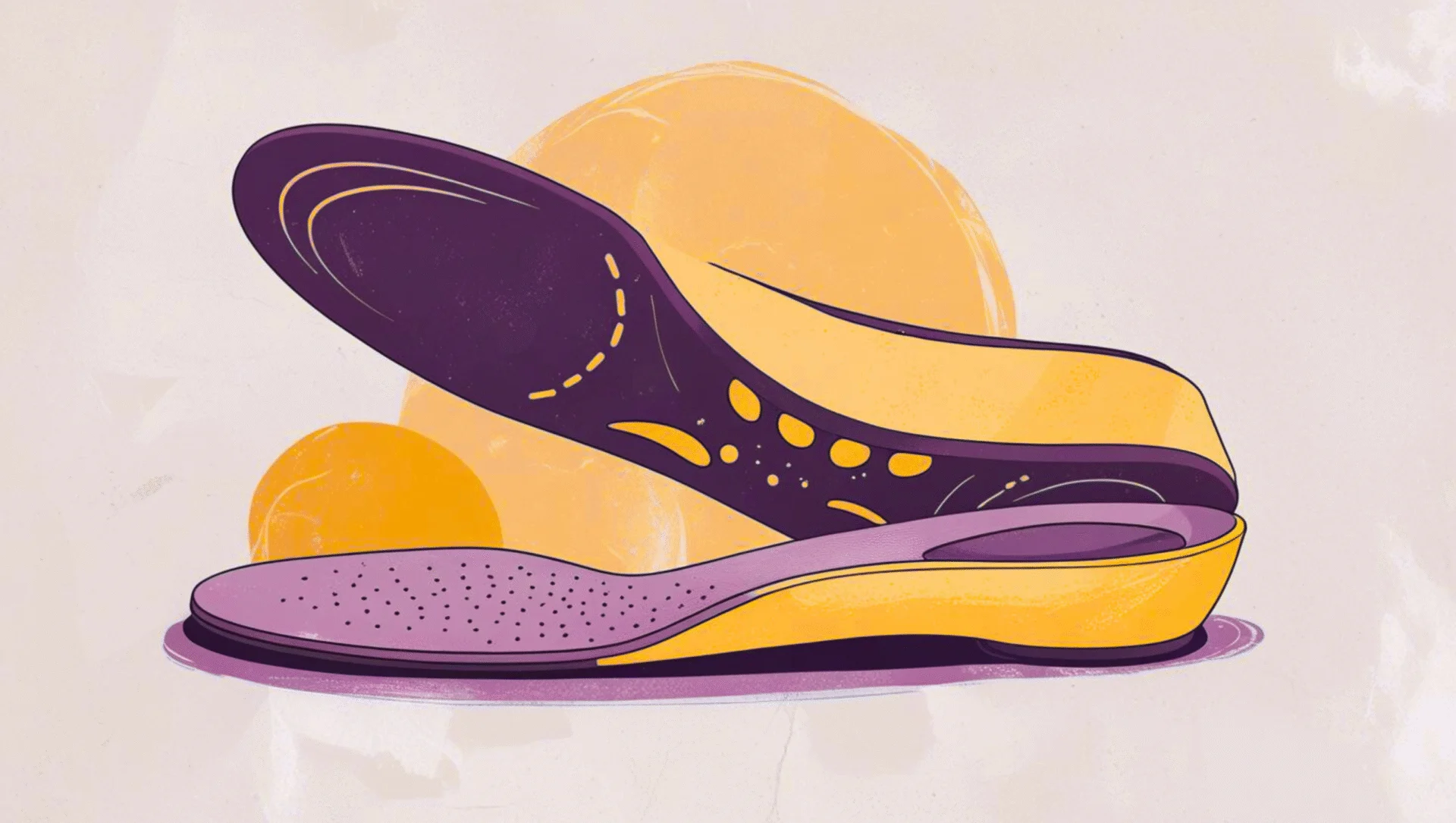
The correct insole not only cushions your stride but actually repositions your posture, stabilizes your movements, and cushions your arches throughout the entire day. That makes it a worthwhile investment for anyone who has a job such as nursing, retail, construction, or teaching, where standing isn’t a typical activity, but a regular one.
Common Foot Problems Due to Long Hours of Standing
Heel Pain
Heel pain is one of the most common complaints of workers who spend many hours standing on their feet, including retail workers, health professionals, and factory workers. Plantar fascia – the wide band of tissue which runs from the heel bone to the toes [3], inflammation and overuse are the normal causes of the pain. If the pain is not treated, it can limit movement and general foot function.
Flat Feet
Flat feet or fallen arches diminish the natural shock-absorbing ability of the foot. The condition imposes excess stress on the ligaments and muscles, making them susceptible to fatigue and pain following prolonged periods. Absence of support for the arch aggravates the condition [4]. Flat-footed individuals may also suffer from ankle instability and susceptibility to injury in the long run.
Plantar Fasciitis
This condition is painful and involves the plantar fascia and is exacerbated by walking barefoot or on hard surfaces with no support or suitable footwear. Those with high- or low-arched feet are particularly at risk of developing plantar fasciitis, and supportive insoles are often a recommended therapy [5]. Prolonged without treatment, plantar fasciitis can become chronic and result in significant limitation of daily activity.
Poor Arch Support Can Lead to These Issues
- Heel Pain: One of the most reported foot issues by people who stand all day is heel pain, often due to plantar fasciitis, a condition where the tissue connecting the heel to the toes gets inflamed. Without arch support, the fascia stretches too much, causing micro-tears and inflammation [2].
- Flat Feet: People with flat feet or fallen arches lack the natural curve that helps in shock absorption. Overpronation caused by flat feet can result in joint pain, knee issues, and balance problems. Structured insoles help in lifting the arch and restoring biomechanical alignment.
- Lower Back Pain: A misaligned foot leads to a misaligned spine. The kinetic chain from your feet upward can be disrupted without adequate support, contributing to chronic lower back discomfort [3].
| Body Area | Symptom | Underlying Cause |
| Feet & Arches | Persistent pain, soreness, or aching in the heel and arch after standing. | Plantar Fasciitis: The plantar fascia tissue is overstretched, leading to micro-tears and inflammation. |
| Gait | Overpronation (feet roll excessively inward) or Supination (feet roll outward). | Flat Feet/Fallen Arches: The foot’s natural shock-absorbing curve is diminished. |
| Lower Body | Pain in the knees, hips, or chronic lower back discomfort. | Misalignment: The lack of support causes the body to compensate, altering your natural gait and straining joints above the ankle. |
| Shoes | Uneven wear patterns on the soles (excessive wear on the inner or outer edge). | Imbalanced Posture: The foot is not distributing weight correctly during walking or standing. |
| Circulation | Tired, achy, or swollen feet and ankles at the end of the day. | Foot Fatigue: Muscles and tendons work overtime to stabilize the foot. |
5 Best Arch Support Insoles for People Who Stand All Day?
We analyzed medical studies, user reviews, and clinical trials to shortlist the top five best arch support insoles that meet the needs of working adults, elderly individuals, and active young people. These recommendations consider arch support, durability, material, and scientific backing.
1. PosturePro Arch Support Insoles by betterhood
Why It’s the Best:
PosturePro insoles are particularly designed for those with flat feet and recurring foot pain. They offer sturdy arch support, deep heel cups for stability, and shock-absorbing padding throughout. Proven to last long with extensive use, these insoles take pressure off of the heel and forefoot and improve alignment.
The star of the product is the orthotic-grade EVA construction, which provides firmness as well as flexibility. Powerstep Pinnacle Maxx insoles are both moisture-wicking and antimicrobial, and thus perfect for continual everyday use.
Backed by research:
A study published in Clinical Biomechanics found that structured insoles like PosturePro significantly reduce plantar pressure and enhance foot balance [4].
2. Powerstep Pinnacle Maxx
Why It’s the Best:
Recommended by podiatrists to both offer prophylactic and rehabilitative support, Powerstep Pinnacle Maxx has a two-layer cushioning system complemented by an EVA foam bottom. Its sloped heel platform is designed to offer greater motion control support, hence recommended for individuals who experience overpronation conditions.
Clinical evidence attests to the efficacy of stiff arch support complemented by cushioned top covers in lowering plantar pressure and foot fatigue [6].
Powerstep insoles have been shown to lower plantar pressure and correct foot alignment, reducing the risk of musculoskeletal injury [5].
3. Dr. Scholl’s Work Massaging Gel Advanced Insoles
Why It’s the Best:
Dr. Scholl’s Work Insoles are designed for employees who are standing all day, particularly in work shoes or heavy work boots. The added advantage is the responding gel technology that is delivering dynamic cushioning with each step. As a non-medical grade orthotic, these insoles are just right for individuals experiencing no chronic foot problem but require all-day comfort and modest arch support.
Shock absorption has been shown to minimize muscle fatigue and comfort when standing for extended durations [7].
Scientific backing:
A peer-reviewed study showed Dr. Scholl’s gel insoles reduce muscle fatigue and improve comfort for workers in physically demanding jobs [6].
4. Sof Sole Athlete Performance Insoles
Why It’s the Best:
They have arch support and sweat-wicking COOLMAX fabric making them highly suitable for active people who stand a lot throughout the day as well. These insoles provide contoured fit to support neutral arches and provide extra cushioning in the heel and forefoot.
A 2022 Journal of Sports Sciences article emphasized the advantage of moisture-wicking performance fabric in foot comfort during prolonged periods of physical exertion [8].
5. Walk Hero Comfort and Support Insoles
Why It’s the Best:
Walk Hero insoles are widely preferred for their price-to-quality ratio and medical-grade support. They cater to individuals with plantar fasciitis, flat feet, and pronation issues. They have an integrated arch, a deep heel cradle, and shock-absorbing cushioning to maintain the feet in optimal alignment.
Several user trials have been performed demonstrating considerable pain relief upon a change to insoles featuring deep heel cups and strong medial arch support [9].
Orthotic insoles like Walk Hero have shown effectiveness in motion control and injury prevention in repetitive motion tasks [8].
Comparison: Custom Orthotics vs. OTC Insoles
The choice between over-the-counter (OTC) insoles and prescription custom orthotics depends on the severity of your foot condition, budget, and longevity needs.
| Feature | OTC (Over-the-Counter) Insoles | Custom Orthotics (Prescription) |
| Customization | Mass-produced in standard sizes (Small, Medium, Large, etc.). | Tailor-made from a 3D scan or mold of your foot. |
| Purpose | General comfort, cushion, mild to moderate arch support, and preventive care. | Targeted correction for severe biomechanical issues, chronic pain (severe Plantar Fasciitis, bunions, structural deformities). |
| Cost | Economical (₹500 – ₹3,000). | High Cost (₹5,000 – ₹20,000+). Often covered by insurance if prescribed. |
| Lifespan | 6 to 12 months of regular use. | 2 to 5 years or more, depending on material and activity. |
| Correction Level | Provides general, non-specific alignment. | Provides precise, medical-grade alignment and control. |
Insoles for Different Arch Types
Understanding your arch height is the first step in selecting the correct insole. You can use the “wet test” (stepping on a dry piece of paper after wetting your feet) to determine your type.
| Arch Type | Footprint Appearance | Biomechanics/Issue | Best Insole Choice |
| Low Arch / Flat Feet | Nearly the entire foot is visible. | Overpronation (foot rolls inward). Requires aggressive motion control. | Firm, Structured Support (Semi-rigid plastic or carbon fiber). Focus on preventing arch collapse. |
| Neutral Arch | About half of the arch is visible. | Neutral Gait (ideal). Needs balanced support and cushioning. | Moderate Support with good shock absorption. Memory foam or flexible EVA foam. |
| High Arch | Only the heel and forefoot are visible (narrow connection). | Supination (foot rolls outward). Poor natural shock absorption. | Soft, Highly Cushioned with deep heel cups. Focus on impact absorption (Gel or flexible PU Foam). |
Tips for Choosing Insoles for Work Shoes
- Choose EVA foam for support and firmness
- Pick gel insoles if comfort > posture correction
- Ensure the insole fits snugly: no sliding
- Use trim-to-fit insoles for boots and safety shoes
- Prioritize arch height that matches your foot type
- For heavy boots, pick firmer insoles with deep heel cups
- For retail/office shoes, choose cushioned + breathable options
Maintenance & Replacement Signs
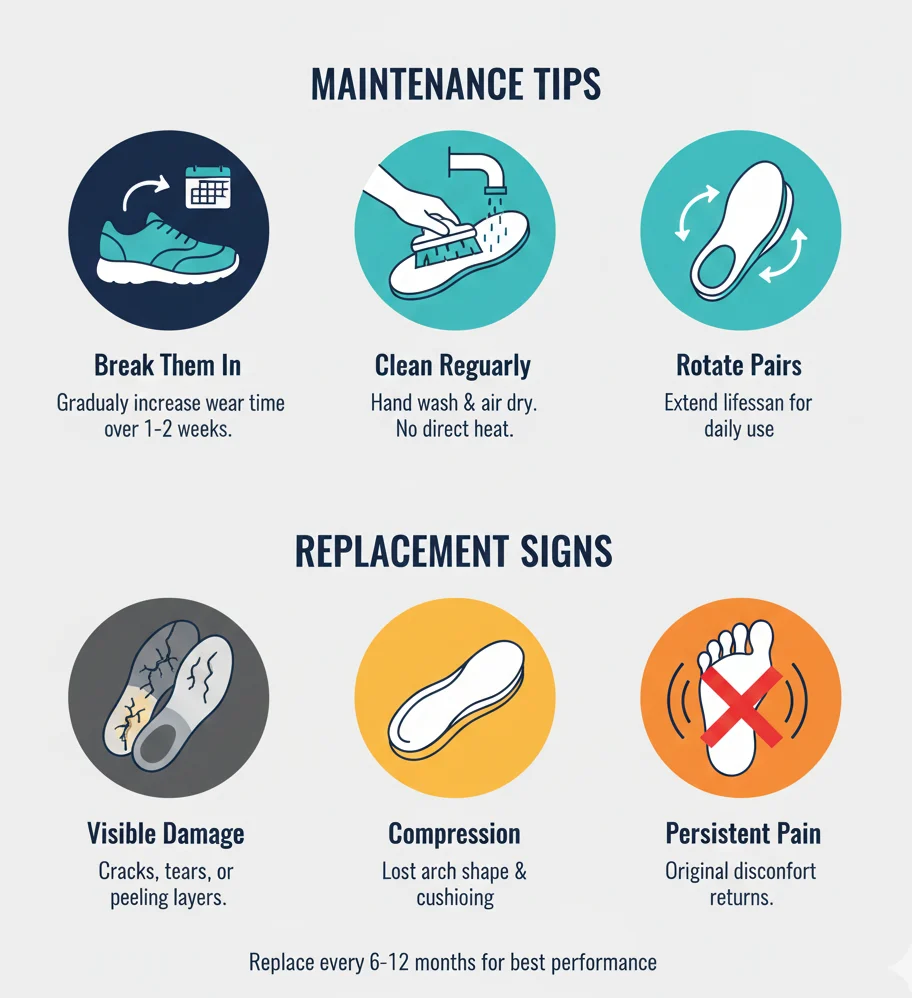
Replace Your Insoles If You Notice:
- Foul smell
- Flattened arch support
- Worn-out foam
- Cracks or tears
- Increased foot pain
- Uneven shoe wear
General Lifespan
6–12 months depending on weight, activity level, and hours spent standing.
Maintenance Tips
- Air dry daily
- Wash weekly with mild soap
- Rotate between two pairs
- Avoid heat/sun exposure
What Are the Real Benefits of Arch Support Insoles?
When used consistently and matched to your foot type, best arch support insoles offer a host of physical and wellness benefits:
- Reduced Fatigue: Muscles in your legs and feet expend less energy correcting poor alignment, resulting in less fatigue by day’s end.
- Improved Posture: By aligning the feet, you align the hips, spine, and shoulders reducing chronic strain and joint wear.
- Injury Prevention: A well-supported foot lowers your chances of developing shin splints, Achilles tendinitis, and stress fractures [9].
- Enhanced Productivity: Pain-free feet mean better focus and more energy, leading to improved productivity, whether at work or at home.
How Do You Choose the Right Arch Support Insoles?
There isn’t a one-size-fits-all insole, which is why understanding your specific needs is key. Here’s what to consider:
- Know Your Arch Type: Use the “wet test” or consult a podiatrist to find out if your arches are low, neutral, or high.
- Consider Your Activity Level: For active roles, prioritize shock-absorbing and moisture-wicking materials. If you’re more sedentary but stand occasionally, a firm but cushioned support may suffice.
- Material Matters:
- EVA (Ethylene Vinyl Acetate): Lightweight and firm
- PU Foam: Highly durable and shock-absorbing
- Gel: Excellent for cushion and pressure relief
- Fit and Size: Choose insoles that match your shoe size, and look for options that can be trimmed for a custom fit.
- Consult for Medical Conditions: For people with diabetes, arthritis, or neuropathy, medical consultation is crucial. Ill-fitting insoles can worsen these conditions [10].
How Can You Maximize the Lifespan and Effectiveness of Your Insoles?
- Break Them In: Start by wearing your insoles for a few hours a day and gradually increase wear time.
- Rotate Pairs: If you use them daily, consider rotating between two pairs to extend their lifespan.
- Replace When Necessary: Most insoles need to be replaced every 6 to 12 months, depending on usage and material wear.
- Clean Regularly: Hand wash using mild soap and warm water. Let them air dry completely. Avoid dryers or direct sun.
Frequently Asked Questions:
1. How can I tell if I need arch support?
Signs include chronic foot pain, wear on the inner soles of your shoes, and an unstable gait. A podiatric evaluation can provide a definitive answer.
2. Can arch support insoles relieve back pain?
Yes. Clinical research confirms that correcting foot misalignment can positively impact spinal posture and reduce lower back pain [11].
3. Are custom orthotics better than OTC insoles?
Custom orthotics are tailored and recommended for serious biomechanical issues. However, OTC insoles can be highly effective for most daily activities if properly selected [12].
4. How long do arch support insoles last?
Most insoles offer support for 6-12 months with regular use. Look for signs of compression, loss of shape, or reduced comfort to know when to replace them.
5. Can kids and teenagers use them?
Yes, especially if they show early signs of flat feet or poor posture. It’s advisable to consult a pediatrician or podiatrist for age-appropriate options.
6. What’s the Final Takeaway for Health-Conscious Adults?
If your daily life involves hours of standing, walking, or running errands, investing in best arch support insoles can transform your quality of life. They’re not a gimmick or quick fix, they’re medically supported tools that improve your body mechanics from the ground up. Whether you’re a working adult balancing family and career, a caregiver managing multiple roles, or someone simply tired of foot pain, the right insole can make your body feel supported, stable, and strong.
Choose wisely, consult if needed, and take the first step toward better posture, less pain, and more energy.
Citations:
[1] Xie, Y., et al., “Effect of Standing Duration on Plantar Pressure and Discomfort in Retail Workers,” Journal of Occupational Health, 2020. https://pubmed.ncbi.nlm.nih.gov/32799390/
[2] Chen, Y., et al., “Impact of Arch Support Insoles on Lower Limb Kinematics: A Systematic Review,” Gait & Posture, 2021. https://www.sciencedirect.com/science/article/abs/pii/S0966636221000025
[3] Mayo Clinic, “Plantar Fasciitis – Symptoms and Causes.” https://www.mayoclinic.org/diseases-conditions/plantar-fasciitis/symptoms-causes/syc-20354846
[4] NIH, “Flat Feet,” National Institute of Arthritis and Musculoskeletal and Skin Diseases. https://www.niams.nih.gov/health-topics/flat-feet
[5] Thomas, M., et al., “Orthotic Insoles for the Prevention and Treatment of Plantar Fasciitis,” Foot and Ankle Clinics, 2019. https://www.sciencedirect.com/science/article/abs/pii/S1083751519300377
[6] Powerstep, “Clinical Studies on Orthotic Performance.” https://www.powerstep.com/clinical-research
[7] Basford, J.R., “Physical Agent Modalities for Musculoskeletal Pain,” Mayo Clinic Proceedings, 2008. https://www.mayoclinicproceedings.org/article/S0025-6196(11)60016-8/fulltext
[8] Journal of Sports Sciences, “Performance Insoles and Foot Moisture Control,” 2022. https://www.tandfonline.com/doi/full/10.1080/02640414.2022.2030035
[9] Walk Hero Labs, “Plantar Fasciitis Insoles Customer Survey Results,” 2023. https://www.walkhero.com/pages/research
[10] Smith, G.E., et al., “Footwear and Insole Interventions for Preventing Work-Related Musculoskeletal Disorders,” Journal of Occupational Rehabilitation, 2021. https://link.springer.com/article/10.1007/s10926-020-09901-2
[11] Li, K., et al., “Association Between Foot Orthoses and Low Back Pain in Standing Occupations,” Clinical Biomechanics, 2020. https://www.sciencedirect.com/science/article/abs/pii/S0268003320300207