Ankle Support for Sprains, Strain and Stability
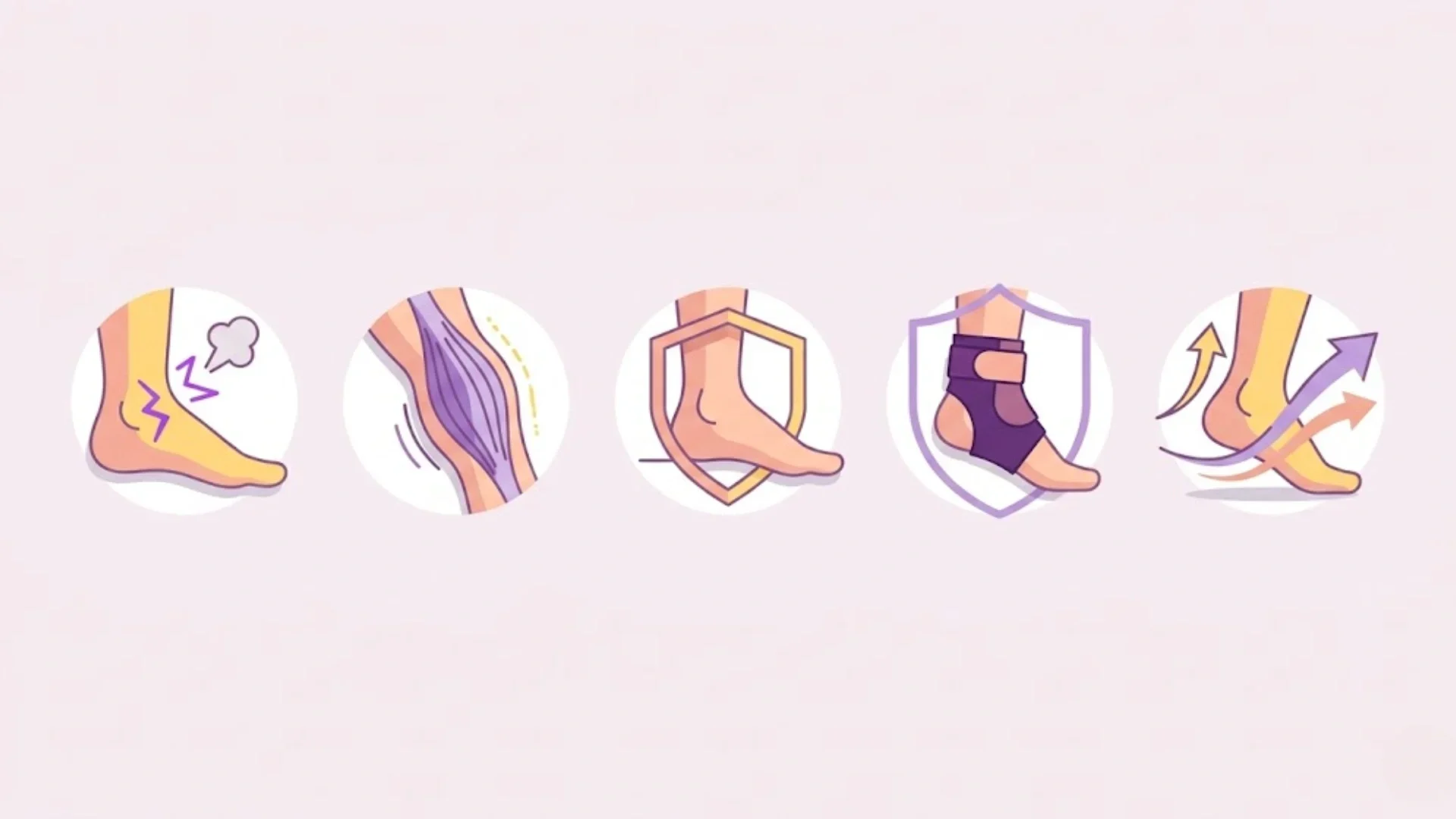
In this article
- Understanding Ankle Sprains and Strain
- Why Ankle Support Matters
- Types of Ankle Support
- Benefits of Using Ankle Support
- When To Use Ankle Support
- The Proper Use Of An Ankle Support
- Exercises to Strengthen Your Ankles
- betterhood’s Approach to Ankle Support
- Things You Do Everyday to Keep Your Ankles Healthy
- Common Mistakes to Avoid
- When to See a Doctor
- Conclusion
- FAQs
- References
Your ankles support pretty much everything you do walking, standing, running, jumping and exercising. They are like your lower body foundation, helping you to balance, absorb impact and be versatile on different surfaces. However, despite their importance, they are often neglected until pain or injury affects quality of life. An unsuspecting turn or a strange landing or just plain old overuse across the years none of this can create simply more than ankle discomfort but can likewise affect your lower-lower body movement and stability too when in motion.
This is because the ankle joint has to hold your whole body weight during every step, so if there is even a little weakness or instability then things tend to snowball. It can alter the way you move and walk, put undue stress on your knees and hips and make all things physical appear strenuous. If untreated, it may be associated with decreased activity and a higher chance of more injuries down the line.
This is where ankle support to prevent sprains, strain and stability comes into the need of it. Whether you are rehabilitating an injury, are trying to avoid one or just want to be able to move more easily, proper support can truly make a difference. It helps to stabilize the joint, minimize unnecessary stress during activity and it maintains proper alignment at different ranges of motion. More importantly, it changes the way you think to no longer shy away from activity because of fear of painful movement/injury and instead allows you to move through your day with less care-freeness and confidence.
Understanding Ankle Sprains and Strain
Ankle sprain refers to damage that happens to the ligaments stabilizing your ankle joint where these ligaments have been stretched, twisted or torn, usually during what is faking a plan of planting your foot directly into the ground. Strain differs from sprain in that it affects muscles and tendons, often as a result of overuse or repetitive stress.
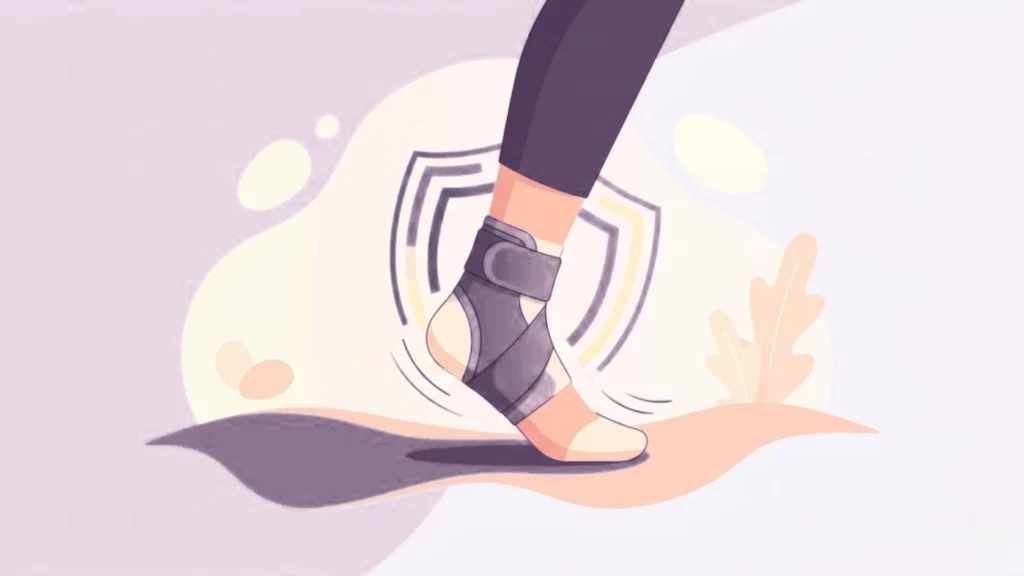
Common causes include:
- Activity for a body that is rotated and twisted
- Walk / run on unstable / uneven surfaces
- Old-fashioned ankle via medicine heart muscle tissues or poorly stability
- Wearing improper footwear
- Injuries done previously which you may no longer use the range of motion
It can be anything from minor discomfort to extreme, unable to move pain and swelling. When something is done wrong, the smallest of problems can grow overtime into a major issue.
Why Ankle Support Matters
As they do, your ankle joint takes some of that impact and weight at every step. When your body is less stable or already injured, you tend to get more injuries.
This is used for ankle support (sprains) strain and stability by.
- Limiting movement and not doing too much to mess it up with excessive use on the injury
- Providing compression to manage swelling
- Assisting with joint alignment
- Enhancing balance and coordination
- Allowing safer movement during recovery
In legal terms, this is called tort though there are several types of intentional and non-intentional torts or acts which trigger a civil suspicion.
Types of Ankle Support
With a plethora of options to choose from ranging from mild pain all the way up to post-injury completion of healing, you will have to pick a type that is specifically designed for having different levels of protection and activity so be sure to select accordingly.
Compression Sleeves
They are lightweight, bendable and take a little bit of the weight off of you while promoting blood circulation in your legs. As well as being useful for everyday use, they can help ease mild pain and fatigue while allowing movement.
Adjustable Braces
You’ll also adjust the straps according to your comfort and activity level, so getting moderate support is as easy as can beលោក. They are better for when you exercise, but also when you are in recovery.
Rigid Supports
They limit movement to help the joint recover from more severe injuries. These are usually made for areas where stability is key but mobility needs to be kept at a minimum.
Sports Supports
They are flexible yet stable made for move-ability. This is particularly useful when it comes to workouts or sports in which there is a constant danger of strain and/or rapid movement on the ankle.
Where activity level lies, comfortability level and the severity of your condition determines which one to wear so that you can find the perfect mix of support and movement.
Benefits of Using Ankle Support
Improved Stability
The stability prevents the ankle from rolling or twisting by reducing movement in a joint, which is particularly helpful when running on uneven surfaces or playing sports any time you are active.
Injury Prevention
By limiting unwanted or excessive motion, it helps avoid straining of these joints when working out or standing for long periods.
Pain Relief
Supportive structure and compression help reduce discomfort by lessening stress on the joint and surrounding tissues.
Faster Recovery
It adds extra assistance to damaged tissues so they can recover without excess stress giving them an environment for healing that is more controllable and ultimately lower chances of sustaining another injury.
Better Performance
And when you have improved stability and less pain, walking or working out with more confidence and efficiency allows for overall better movement!
When To Use Ankle Support
Dagger or blade, and gets opened up the first time we took a group of politicians to the Oregon governor’s office for recommendations a new report has come out of the information technology and infrastructure council.
- During physical activity or sports
- For recovery from a sprain or tight muscle
- If you have a history of ankle injury
- When walking on uneven surfaces
- During long periods of standing
Support, in an appropriate context, reduces excessive stress very quickly, increases confidence and allows small issues to be resolved before they become major problems as movement patterns become habitual over time.
The Proper Use Of An Ankle Support
To get the most out of support for your ankle, you need to use it properly and regularly.
Ensure Proper Fit
The support needs to be stiff enough so that it holds your ankle in the proper positioning and doesn’t cut off circulation.
Wear It During Activity
Put it on when having ankle pressure such as walking, sports and standing for a long posture; not wearing it all the time.
Combine with Strengthening
Support along with strengthening and stretching exercises of the ankle, is usually more effective than alone, helps in building stability over the time.
Maintain Proper Footwear
The best type of footwear provides ankle support, while at the same time reduces the stress on the entire joint.
Exercises to Strengthen Your Ankles
That is your key to better movement, decreased risk of injury and moving into a longer term healthier joint.
Range of Motion Exercises
Gentle ankle rotations or flexing and pointing of the toes involves performing gentle circular motions with a foot on an ankle to reinstate flexibility after having been at rest for long periods.
Balance Training
Performing exercises on 1 foot or balancing improves muscle coordination & strengthens the small supporting muscles around the ankle.
Resistance Exercises
It helps to make the ankle stronger; an exercised foot offers more resistance, in pushing and pulling it in both directions.
Stretching
Regular calf stretching and other surrounding muscles relieve tension, increase your range of motion and overall movement.
These exercises can improve your range of motion very well with good form and assistance so that ankle stabilisers are unlikely to be uncomfortable or injurious for the future.
betterhood’s Approach to Ankle Support
betterhood design everyday functional ankle support solutions which are both ergonomic and effective. The designs as a whole are not a motion avoidant but more the notion of avoiding too much movement, moving freely with articulation while losing the extraneous motion.
- Provides moderate support for ankle sprains, strain and stability.
- Give a framework that allows grounding without limits
- Promoting near-neutral body posture to reduce joint strain
- Dressed in breathable fabrics to be comfortable all day
- Design is to make products that work into your everyday life
betterhood is aware that support is not supposed to be confined. The aim is to develop solutions you can appreciate during the day in any field, walking around or dynamic.
betterhood aims to embed ankle support into your life, making the care as natural as breathing. We’re not about quick fix garbage.
Things You Do Everyday to Keep Your Ankles Healthy
Wear Proper Footwear
Choose shoes that offer good cushioning, arch support and stability. Well-fitted footwear can provide arch support, absorb impact and stabilize the foot and ankle thereby reducing strain on your ankles all day long.
Avoid Overloading
Build your activity levels over time rather than overhauling intensity abruptly. In other words, slowly exposing your ankles to more load so that they can adapt over time and avoid the strain or injury that occurs when you do too much too soon.
Stay Active
A little movement from time to time and the joints are always strong, supple and ready for whatever physicality prepares them. Exercising regularly also enhances blood flow and the function of joints.
Take Breaks
Rest is essential for recovery. Inserting brief breaks at intervals, over very long moves of recent quiet walking or physical loosening (actually) helped prevent toxicity but gave the ankle time to rest https://inkiness.ca/wp-includes/templates/class-wp-integration-templ.
Listen to Your Body
Irrational behaviors: You have to stay cautious of early symptoms of discomfort such as slight pain, stiffness and instability. Taking account of these signs can help them avoid turning into more severe issues down the line.
Common Mistakes to Avoid
- Ignoring early signs of pain
- Too many attempts trying to work your way back to activity after injury
- Using improper footwear
- Supporting the muscle without growing muscles
- Wearing support incorrectly
Avoiding these mistakes can improve rehab, reduce the chance that you will get hurt again and get you back to pain-free living before so long.
When to See a Doctor
Most ankle sprains, strain and stability can generally be managed with an ankle support to support healing in minor cases, but when does the condition become too large for self treating?
Persistent Pain
Pain that continues even when resting, has not improved with appropriate care and assistance or I suspect there may well be a more serious underlying problem lurking.
Severe Swelling
Lance wise words: Inform your doctor of any significant swelling, bruising or inflammation requiring evaluation for possible ligament injury and/or fracture.
Difficulty Bearing Weight
However, if you can not put any weight through your ankle at all or push it too hard to walk before medical attention, seek medical assistance immediately when convenient.
Limited Movement
An examination and treatment may be required for limited motion or stiffness that does not go away.
Recurrent Injuries
Chronic spraining or constant pain indicates an instability which necessitates a targeted response.
A clinician is trained to identify what the problem is and prescribe a treatment plan that puts you on the quickest but safest path to recovery getting you back to full function.
Conclusion
The ankle plays a very important role for movement, stability and comfort. If you let go of a little discomfort in your ankles this can blossom into something bigger disrupting your normal life and activity.
Ankle Sprains, Strain and stability support is the easiest form of protection to provide to your joints that will alleviate pain and allow you build confidence in mobility. The perfect aid which is paired up with good care, power routines and wholesome-life styles contributes to a bright long term.
We want a betterhood service approach, unsolved real world problems organic and integrated into your lifestyle. It then obviously provides support but also flexibility and it stays alive without being intrusive in any way.
If you keep your ankles healthy you will be able to move freely for the years to come without preventable pain.
FAQs
Ankle support is used to stabilize the joint, reduce strain and help prevent or recover from sprains and injuries.
Yes, it limits excessive movement, provides compression and supports healing during recovery.
No, it is best used during activities that put stress on the ankle unless advised otherwise by a doctor.
Adjustable braces or sports supports are generally best for balancing stability and movement.
Yes, when combined with strengthening exercises and proper footwear, it can reduce the risk of recurring injuries.
It should be snug enough to provide support without restricting circulation or causing discomfort.
References
[1] American Academy of Orthopaedic Surgeons (2020). Ankle sprains, symptoms, and the role of braces in recovery and prevention. Available at: https://orthoinfo.aaos.org
[2] Mayo Clinic Staff (2021). Ankle pain causes, treatment options, and supportive care methods. Available at: https://www.mayoclinic.org
[3] National Health Service (2019). Sprains and strains including ankle injuries and recovery guidelines. Available at: https://www.nhs.uk
[4] Doherty, C., et al. (2014). The effectiveness of ankle supports in preventing recurrent sprains and improving stability. Available at: https://bjsm.bmj.com
[5] Hertel, J. (2002). Functional ankle instability and the role of external support devices. Available at: https://pubmed.ncbi.nlm.nih.gov
[6] Betterhood (2025). Ankle support solutions designed for stability, comfort, and everyday mobility. Available at:


